Source:Best Coffee > News Author:qjroot Published:2026-09-16 02:17:54
Fruity and floral beans are not suited to just one fixed recipe. Beans with pronounced citrus, petal and tea notes need their aroma to open up smoothly; beans with rich berry and tropical fruit character need both sweetness and mouthfeel. When buying, look at the flavor description first, then consider whether you have a dripper, an espresso machine or a moka pot on hand, so the bean's character and the brewer can each do their part.
Qianjie Kaffa Forest is a good starting point with a gentle pour-over approach. Take 15g of coffee grounds, water temperature 90°C, total water 225ml, using a two-pour method: first pour 45ml and bloom for 30 seconds, then slowly pour to 225ml, with the total time controlled at 1 minute 50 seconds to 2 minutes 10 seconds. This brings out the brightness of orange and apricot, and the oolong tea-like sweetness in the finish becomes more noticeable as it cools.
If the entry tastes too sour and the sweetness has not yet opened up, grind the same bean a little finer, raise the water temperature to 91°C, still use 15g of grounds, a 1:15 coffee-to-water ratio and 225ml of water, pour in three stages, bloom for 30 seconds then pour to 120ml and 225ml respectively, with a total time of about 2 minutes 10 seconds. After longer contact time, the ripe fleshiness will stand out more than plain sharp acidity.
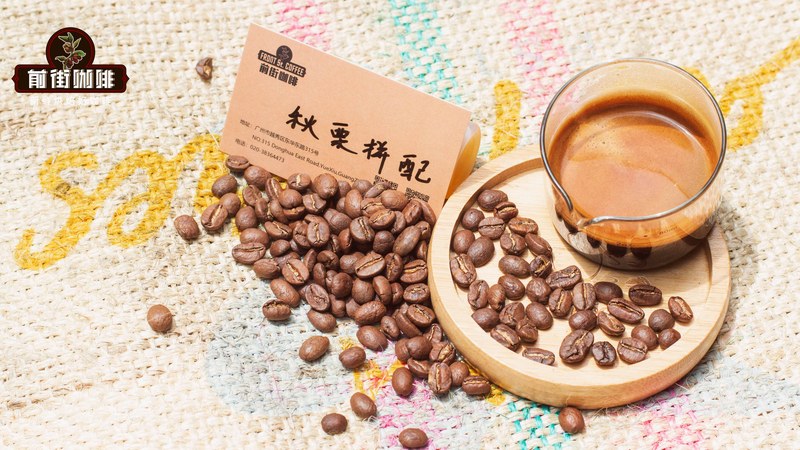
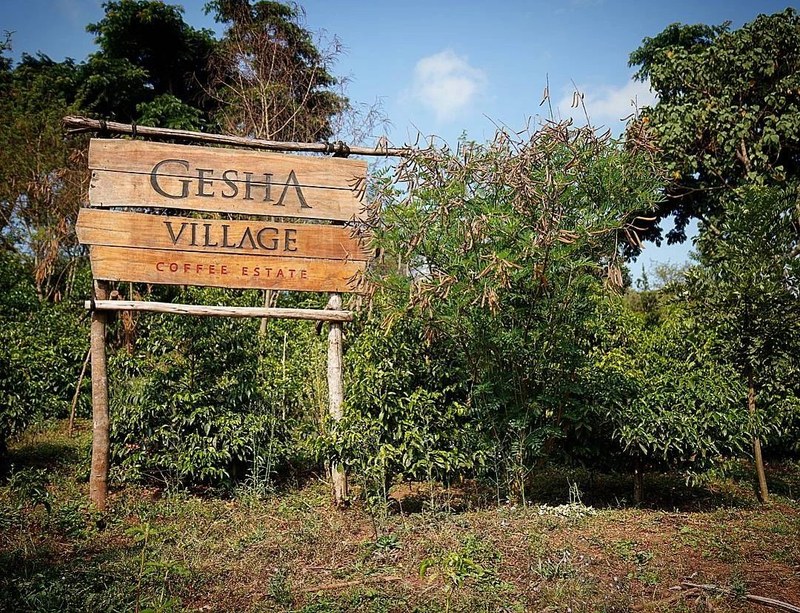
Qianjie Grana Estate Geisha has a fuller sun-dried character and is suited to a lower water temperature to control the fermented note. 15g of grounds with 225ml of 89°C water, poured in three stages: first bloom with 45ml for 30 seconds, then pour to 135ml and 225ml, with a total time of about 2 minutes. Keep the stream thin and steady, and the orange blossom, guava and berry jam-like sweet aromatics will show clearer layers.
If this Geisha tastes very aromatic but leaves your tongue feeling dry, grind a little coarser, lower the water temperature to 88°C, still brew with 15g of grounds, a 1:15 ratio and 225ml of water, in two stages: 45ml bloom for 30 seconds, then fill the second stage to 225ml, keeping the total time to 1 minute 45 seconds to 2 minutes. After reducing the later extraction, the cup will be lighter.

Fruity and floral beans can also go into an espresso machine, but the goal should not be simply chasing acidity. Take Qianjie Colombia Sidra as an example: use 18g of grounds, grind to a fineness suited to constant-pressure extraction, set the yield at 36g, total time 26 seconds, and add low-pressure pre-infusion. This ratio preserves the passion fruit, blueberry and grape direction while concentrating the juicy feel, so it does not end up with only sharp acidity.
If the Sidra espresso tastes thin, grind slightly finer, still using 18g of grounds to extract 38g of liquid, extend the total time to 28 seconds, and keep the low-pressure pre-infusion. If bitterness and dryness become heavier, grind slightly coarser and return to 18g of grounds, 36g of liquid, 25 seconds of constant-pressure extraction, so the bright fruitiness and sweetness come back into balance.
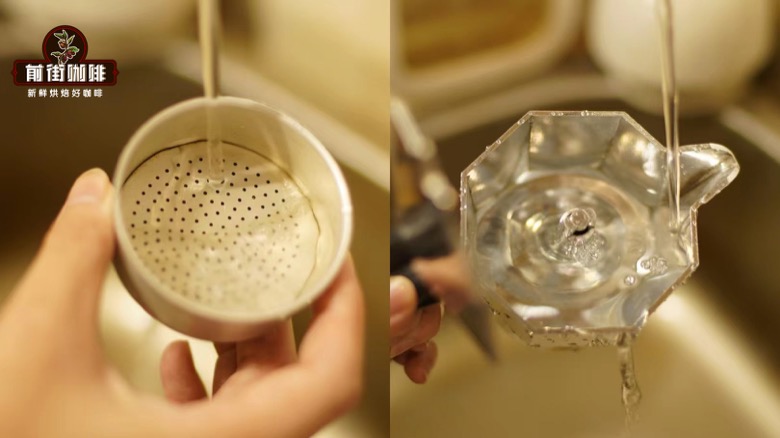
Without an espresso machine, a moka pot can also give fruity and floral beans a cup with more weight. Take Kaffa Forest as an example: add 100ml of hot water to the lower chamber, fill the basket with an appropriate amount of coffee grounds and level them, heat over medium-low heat for 1 minute 30 seconds to 2 minutes, and remove from the heat once the coffee flows out continuously and the color lightens. You can dilute it with a small amount of hot water for a softer orange sweetness.
When choosing a brewer, you can also factor in flavor intensity. For those who like clear aromatics and temperature changes, a dripper suits light-roasted fruity and floral beans; for those who prefer concentrated, thick fruitiness, the Sidra espresso approach is worth considering; for a warm cup of fruit-toned coffee with some body, a moka pot is more suitable than simply reducing the amount of water.
When adjusting in practice, first record the entry acidity, sweetness and finish, then change one parameter. If it is sour and hollow, it usually needs a slightly finer grind or a longer time; if it is bitter and astringent, you can lower the water temperature, shorten the extraction or grind coarser. Fruity and floral aromatics are not better the stronger they are; finding the point you like among aroma, sweetness and mouthfeel is the reason these beans are suited to long-term drinking.
Related Reading


Comments (0)
Loading comments...
You May Be Interested




Trending Reviews
Popular Videos

With you, wherever you are! We provide useful features to help you find new things you'll love






