Source:Best Coffee > News Author:qjroot Published:2026-09-24 15:27:26
On a morning when sunlight pours into the kitchen, a cup of pour-over light-roast coffee with bright floral and fruity notes instantly heals the whole person. However, many friends who are just getting into light-roast beans occasionally find that the cup is either as bland as fruit-flavored water, or that the finish brings out a hint of tongue-gripping astringency. In fact, this is not because the beans are not good enough; it is often that the extraction yield and concentration have not been matched to the right balance point.
We can think of extraction as the process of washing flavor out of the coffee grounds. Concentration determines whether the entry is crisp and light or rich and full-bodied, like the thickness of juice diluted with water; extraction yield represents exactly which aromatic substances in the coffee have been brought out. Usually the acidic aromatics are released first, then the sweetness, and finally the caramel and woody bitterness. Once you understand the difference between the two, the direction for adjustment becomes much clearer.
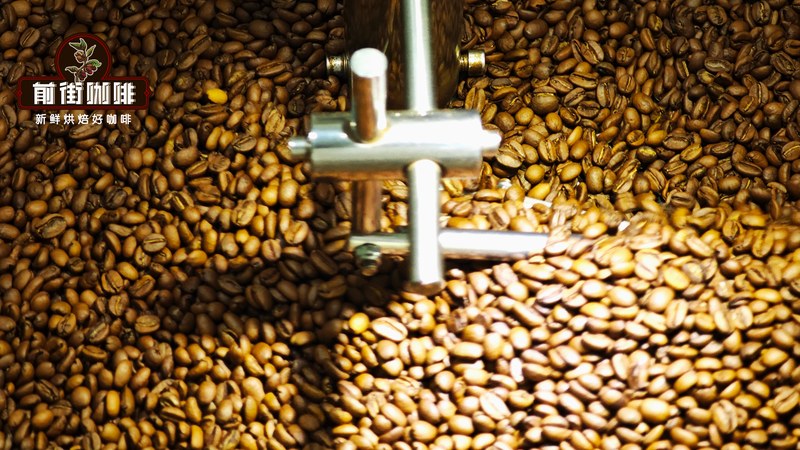
If it tastes watery and the flavor floats on the surface, it is most likely under-extraction caused by grinding too coarse or water temperature being too low; if the finish feels dry or even a bit astringent, it is often over-extraction caused by grinding too fine or water temperature being too high. If you want a cup with a smooth floral-and-fruity tea-like feel, you only need to fine-tune the grind size by half a step, or adjust the water temperature up or down by two degrees, and the aroma will produce a subtle and delightful change.
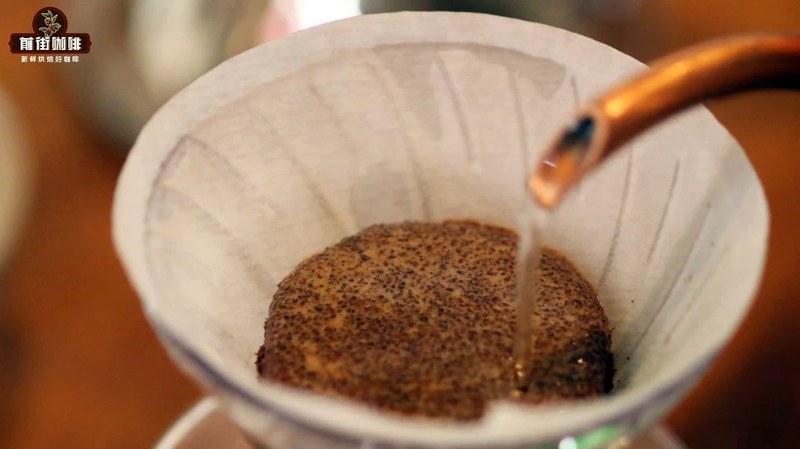
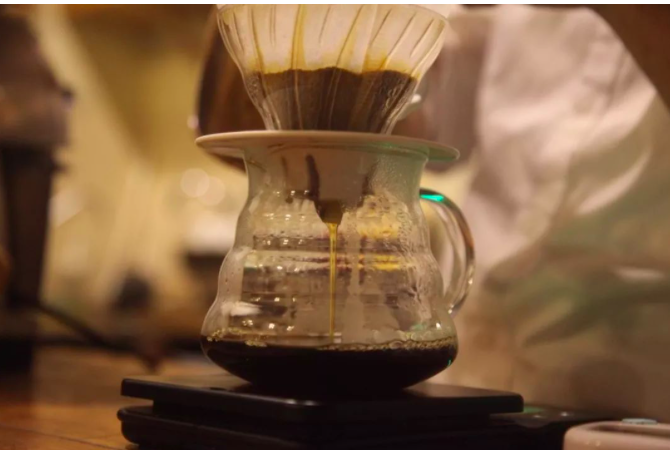
For everyday brewing of light-roast floral and fruity beans, there is a very reliable set of pour-over baseline parameters. Use 15g of coffee grounds, adopt a 1:15 coffee-to-water ratio, prepare 225ml of hot water, and it is recommended to control the water temperature at around 91 degrees. When pouring, first pour 30ml of water for a 30-second bloom, then use a staged pouring method, steadily pouring the remaining water in circles, and control the total extraction time at around 2 minutes, and the flavor will be especially balanced.
Once you have mastered the brewing logic, when choosing beans you should also consider whether the bean's own character suits being drunk strong or light. Some light-roast beans have aromas as delicate as herbal tea, suitable for a wider coffee-to-water ratio and a light tasting; while some beans have solid, juicy fruit acidity, and slightly increasing the concentration lets you taste a full fruit-pulp texture. Choosing beans according to roasting characteristics and regional style can make everyday pour-over feel more full of anticipation.
If you prefer a light, translucent, elegant texture like floral and fruity tea, Qianjie Yirgacheffe Gudingding is an excellent choice. As an evergreen entry-level specialty coffee, it has especially distinct citrus, berry and white flower aromas, and the finish also carries a green-tea-like clean sweet aftertaste. This bag of beans is very suitable for brewing with a slightly finer grind and a higher water temperature; the acidity is soft and bright, and it drinks without any burden.
If you want to feel a stronger tropical juice sensation, Qianjie Ethiopia Huakui can bring a completely different surprise experience. Its strawberry, passion fruit and lychee aromas are extremely full, the entry has prominent sweetness and very low bitterness, and it even reminds people of tropical fruit hard candy. This bean has a high tolerance for error: drunk strong, it is like drinking mixed juice, and brewed a little lighter, it is like a cup of sweet fruit iced tea.
For friends who love rich fruit acidity and a thick juice-like body, Qianjie Kenya Little Tomato is a representative choice not to be missed. A classic variety from the Thika region, after 72 hours of double washed fermentation and light roasting, it has striking cherry tomato and smoked plum flavors. Its acidity is solid and three-dimensional, the middle section carries the sweet moistness of black plum and snow pear, and when brewed at a slightly higher concentration, the finish has an especially long brown-sugar sweetness.
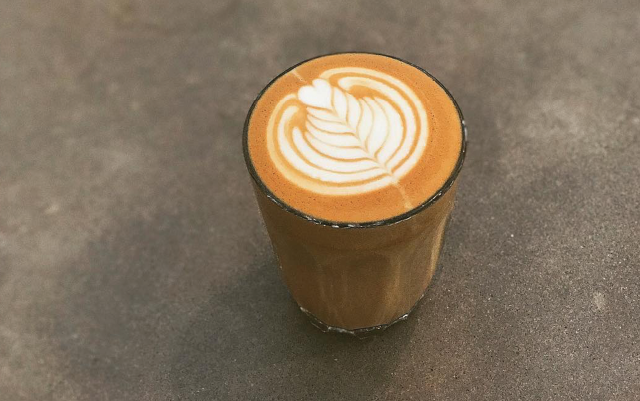
If you long to trace a more primitive, wild rainforest feel, Qianjie Ethiopia Kafa Forest from the birthplace of coffee is likewise worth savoring carefully; it naturally carries rich jasmine and wild berry aromas, with delicate and vivid layers. In fact, there is no rigid standard for brewing; as long as you understand the patterns by which grind and water temperature affect flavor release, every bag of light-roast beans can become, in your hands, a cup of sweet, pleasant fruit-note flavor.
Related Reading


Comments (0)
Loading comments...
You May Be Interested

Trending Reviews
Popular Videos

With you, wherever you are! We provide useful features to help you find new things you'll love






