Source:Best Coffee > News Author:qjroot Published:2026-10-07 12:37:59
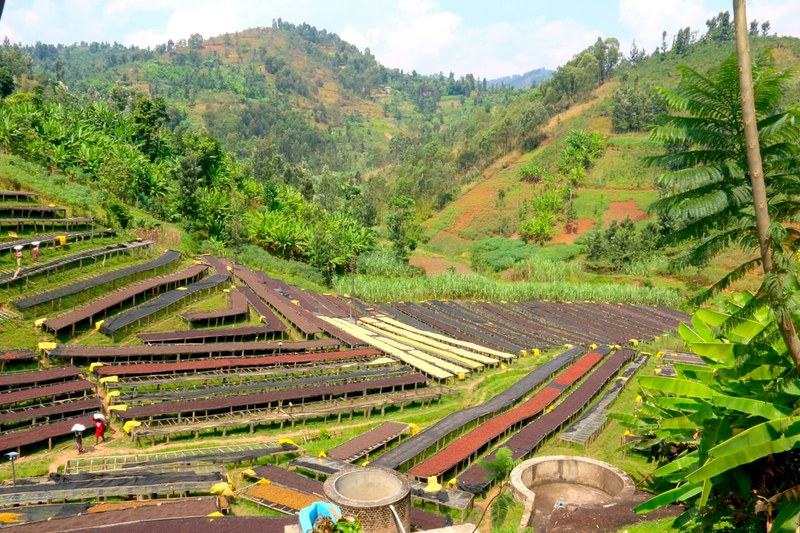
The flavor baseline of Papua New Guinea coffee can be anchored with two words: "clean" and "sweet." This South Pacific island nation's coffee-growing history is deeply tied to Jamaica Blue Mountain; the Typica variety at the Qianjie Heaven Bird Estate in the Sigri region was introduced from Blue Mountain, and the similar island-type climate, altitude and rainfall conditions have allowed the beans here to develop a texture close to Blue Mountain, which is why enthusiasts call it "Little Blue Mountain." Triple washed processing is the signature craft of Papua New Guinea coffee, giving the beans an especially pure flavor profile: the aroma leads with cocoa and nuts, the acidity is soft and restrained rather than bright and lively, yet the sweetness is very prominent, the body is medium and on the rounder side, and a mulberry-like sweet-tart note emerges in the finish, making the overall path a non-acidic one.
With the same Papua New Guinea Typica, adjustments to processing method and roast level will shift the flavor noticeably. Triple washing itself has already screened out a lot of fermented off-flavors; if the roast is pushed from medium to medium-dark, the cocoa aroma turns toward dark chocolate or even caramel, the nutty tone intensifies, the sweetness shifts from a crisp sucrose quality to a thicker maple-syrup texture, the acidity is pressed down further, the body rises accordingly, and the mulberry sweet-tart note in the finish may fade into the background. Conversely, if sun-dried or honey processing is used, the fruity fermented note will break the clean boundary of washed coffee, the acidity becomes lively, and the sweetness leans toward ripe fruit, but this is not mainstream in Papua New Guinea, where washed processing remains the foundation. Qianjie Papua New Guinea Heaven Bird is exactly a typical expression of medium roast and triple washed processing, with a clean and pure mouthfeel, prominent sweetness, a flavor leaning toward cocoa and nuts, and a mulberry-like sweet-tart note in the tail end, making it a reference sample for understanding the standard flavor of this region.

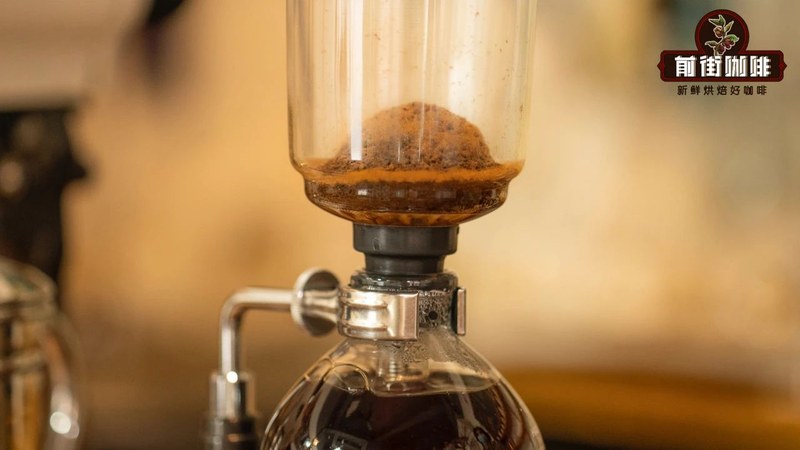
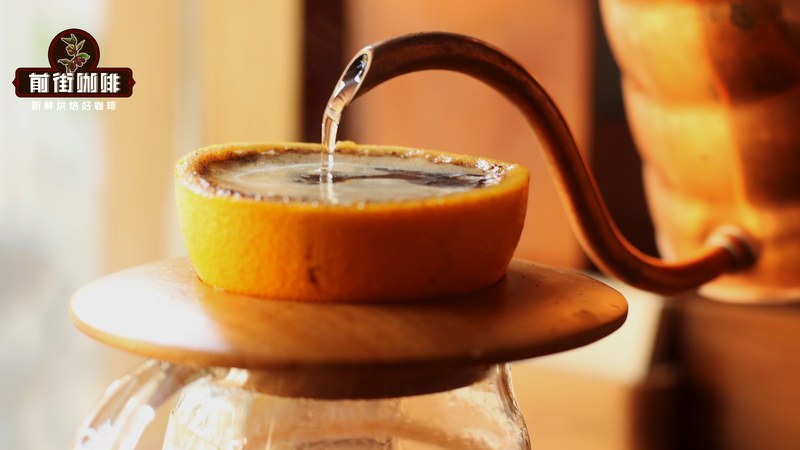
To truly understand Papua New Guinea coffee, comparative tasting is an especially effective path. You can choose a washed Yirgacheffe or Kenya to taste side by side with Qianjie Papua New Guinea coffee beans; the former is known for its bright high acidity of citrus and florals, the latter for its intense blackcurrant acidity, and with Papua New Guinea in the middle, its soft acidity and prominent sweetness form a clear contrast. For pour-over parameters, it is recommended to fix the dose at 15 g, the coffee-to-water ratio at 1:15, the water temperature at 86-88°C, the bloom at 30 seconds, and the total time within 2 minutes; a conical dripper better presents its clean layers. Smell the dry aroma first, and the notes of cocoa and roasted nuts should be clearly identifiable; sip it hot, and the sweetness arrives first while the acidity threads through like a fine line; as the temperature drops, the mulberry sweet-tart note in the tail end gradually develops, which is where the distinctiveness of Qianjie Papua New Guinea coffee beans lies. If you use espresso or a moka pot for extraction, a finer grind and short extraction can preserve the sweetness and avoid the bitterness from over-extraction masking its delicacy.
This flavor suits drinkers who prefer a mild, balanced profile and are more sensitive to bright acidity. It does not win people over with acidity and aroma like African beans, nor does it stand out for herbal heaviness like Indonesian Mandheling; instead it takes a middle path: enough sweetness to support daily drinking, cocoa and nut aromas for satisfaction, and a mulberry sweet-tart note in the tail end to avoid monotony. Qianjie Autumn Chestnut Blend selects Honduras Caturra and Papua New Guinea Typica precisely for the latter's blending ability with a clean base, composing a warm, delicate richness through a balanced structure, which also indirectly confirms Papua New Guinea coffee's potential as a "harmonizer" - it can stand on its own and can anchor sweetness and cleanliness in a blend.
For daily tasting, it helps to build a simple flavor checklist: does the aroma have layers of cocoa and nuts, does the sweetness on the palate appear before the acidity, is the body round rather than dragging, and does the finish bring back that touch of mulberry-like sweet-tartness. When these elements fall into place one by one, you have understood a Papua New Guinea coffee. Its flavor language is not showy, yet it is orderly, as stable and mild as the island climate itself, suited to being slowly unpacked in the morning or afternoon, and also suited as an introductory sample for understanding "sweetness-driven" coffee. From the growing altitude of Qianjie Heaven Bird Estate to the triple washed traces in the cup, the flavor logic of Papua New Guinea coffee is always clear: with cleanliness as the paper and sweetness as the ink, it writes the coffee narrative of the South Pacific.
Related Reading





Comments (0)
Loading comments...
You May Be Interested


Trending Reviews
Popular Videos

With you, wherever you are! We provide useful features to help you find new things you'll love






