Source:Best Coffee > News Author:qjroot Published:2024-10-26 18:48:16
According to Brazilian media reports, several states in southern Brazil were recently hit by storms and thunderstorms, with Sao Paulo and Rio de Janeiro being the worst affected. The storms brought a number of casualties, traffic chaos and severe damage to these areas. According to statistics, a total of three people are currently missing and eight have died.
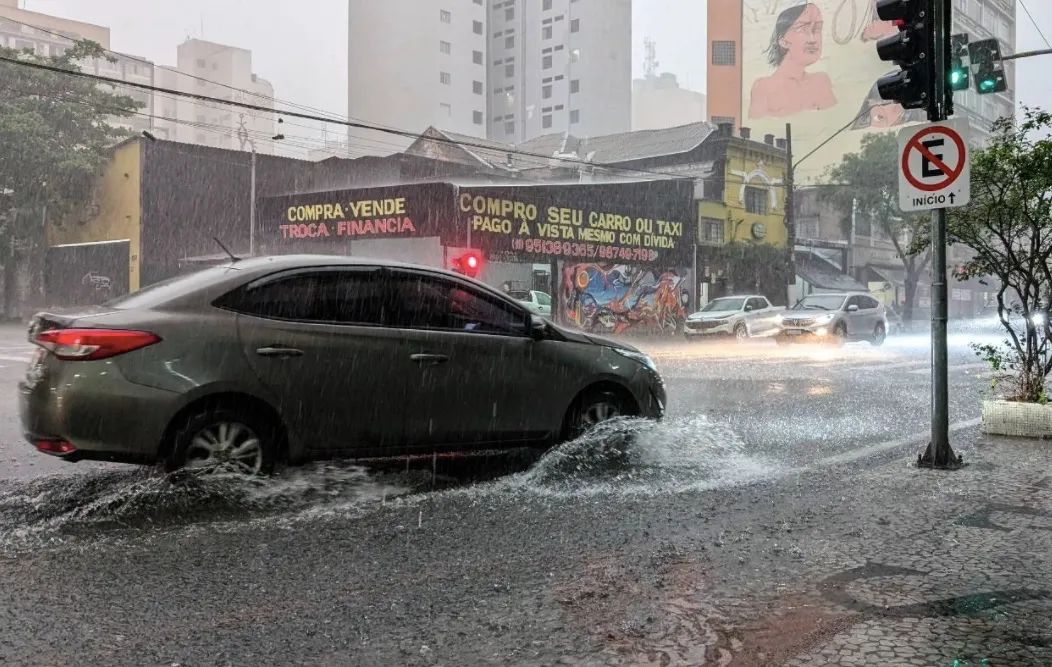
It is reported that the strongest wind speed recorded in Rio de Janeiro state reached 87 km/h, and this strong wind had a severe impact. In a construction area in the coastal region, the strong wind caused a wall to collapse, resulting in the deaths of three workers. Along with heavy rainfall, power cables in some areas were damaged and fell, and trees were toppled, affecting road transport in parts of the area.
According to a report from the Civil Defense Bureau of Sao Paulo state, heavy rain once again caused power outages in parts of Sao Paulo, and the Sao Paulo Emergency Management Center reported that multiple areas entered a flood warning status and recorded wind speeds reaching 126 km/h. According to a report released by the power company Enel, the power supply to more than 70,000 customers was interrupted.
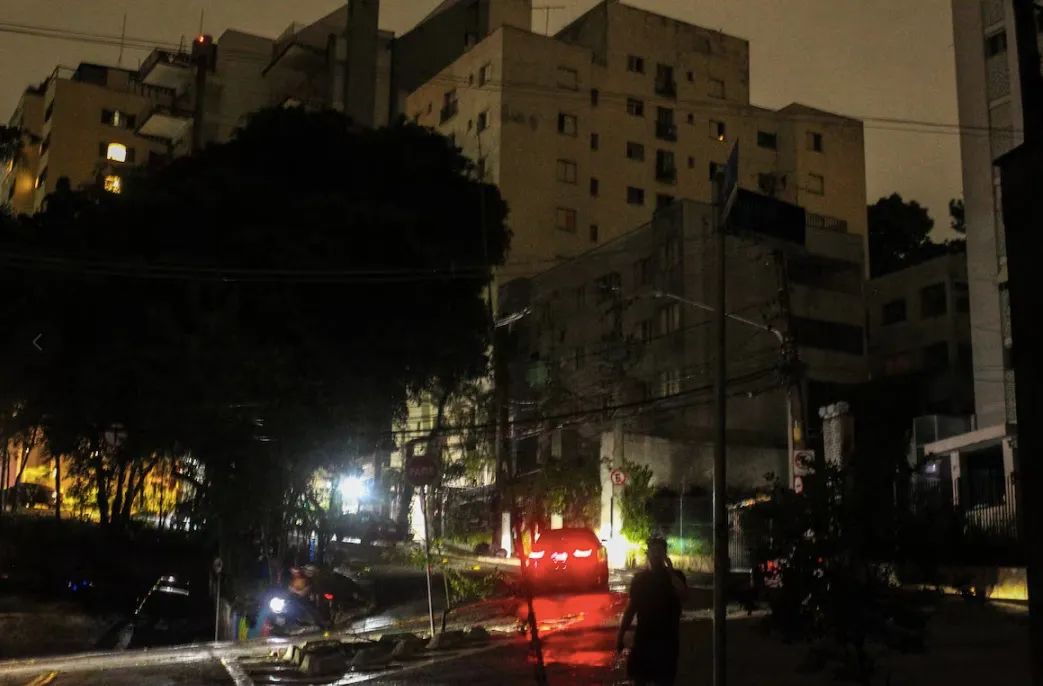
According to data from the Civil Defense Bureau, rainfall reached 120 mm in just three hours, equivalent to a normal month's rainfall, triggering floods and waterlogging in some areas, which swept away vehicles, toppled trees, left three people missing, and even sent floodwater into a hospital.
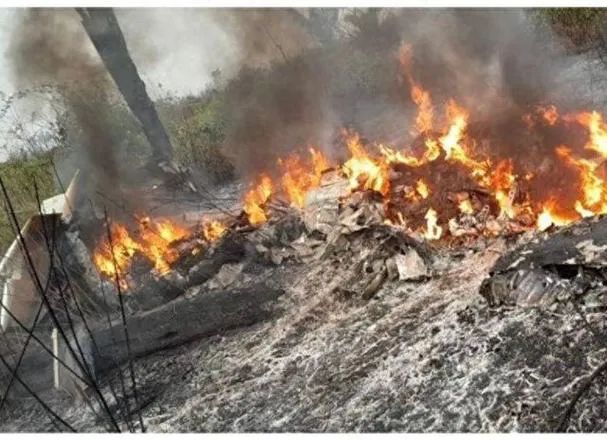
The Sao Paulo State Fire Department reported that a small aircraft crashed in the mountainous area of Paraibuna in Sao Paulo State, killing all 5 people on board; it is understood that the weather on the day of the incident was stormy with excessively high wind speeds, and the Aeronautical Accident Investigation and Prevention Center (Cenipa) is currently investigating the main cause of the crash.
In addition, Parana, Santa Catarina and Rio Grande do Sul were also affected by the severe storm, with fallen trees and flooding recorded in multiple cities, and the government also issued warning signals, with the possibility of hail forming. According to the meteorological department, the cause of this storm was the hot and humid climate in these regions, as well as the sharp drop in temperatures in Brazil, Paraguay, Argentina and Uruguay, which is a factor in the formation of an extratropical cyclone.
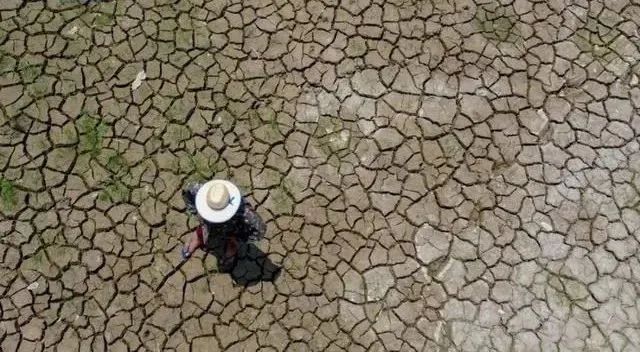
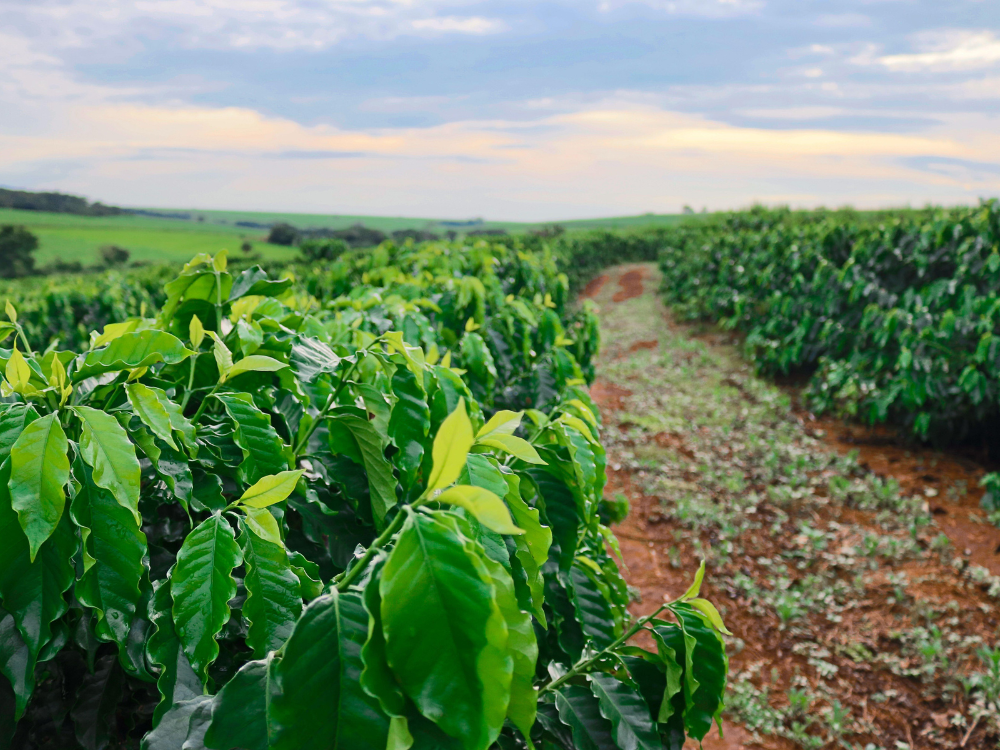
Since the beginning of this year, Brazil has been continuously affected by severe weather, and since May of this year it has been under the threat of drought, with hot and dry weather, very little rainfall, and even no rainfall for long periods, causing the land to crack and rivers to dry up, and severe fires have also occurred due to the dry climate, with very serious impacts; some coffee trees and land were burned, affecting the coffee production of the new crop season.
As the world's largest coffee producer and exporter, Brazil's decline in coffee output for the new crop season also pushed up global coffee prices, at one point breaking the highest price record. However, since Brazil entered its rainy season in October, Brazil's meteorological department reported that the southern coffee-growing regions began to see successive rainfall, easing the drought conditions. Combined with the delayed implementation of the EU Deforestation Regulation and the strong rise of the US dollar, coffee prices have now begun to fall.
Although the resumption of rainfall can ease the drought, the current rainfall is excessive, especially in Sao Paulo state. On October 11, Sao Paulo state was hit by a storm that caused large-scale power outages and enormous economic losses. This storm brought floods and waterlogging. Brazil is currently in the flowering season of coffee trees, and excessive flooding may wash away farmland, while the storm may also knock off coffee flowers, thereby affecting output. In addition, rainfall patterns in Minas Gerais, Brazil's largest coffee-producing region, have been erratic recently. Unstable rainfall has made coffee cultivation extremely difficult, while also threatening the coffee output of the new crop season.
In addition, the storm conditions are also affecting logistics between regions and worsening vessel delays at multiple ports in southern Brazil. As a result, the market is currently concerned that, with Brazil coffee continuing to report production declines, coffee prices will remain high and may rise further.
To learn more about coffee origins and news, please scan the QR code to follow: Kaping
Long-press the QR code to follow:

Related Reading






Comments (0)
Loading comments...
You May Be Interested



Trending Reviews
Popular Videos

With you, wherever you are! We provide useful features to help you find new things you'll love






