Source:Best Coffee > News Author:qjroot Published:2026-09-24 14:48:48
When many coffee connoisseurs tinker with pour-over gear at home, what they enjoy most is that wonderful sense of controlling the flavor. Even with the same bag of beans, raise the water temperature by just two degrees, or nudge the grind setting by a single notch, and the flavor layers in the cup will be completely different. In fact, once you have a thorough grasp of the two core indicators, extraction yield and concentration, you have essentially got your hands on a remote control for adjusting the flavor balance however you like.
We can understand extraction yield as how much flavor material has been dissolved out of the coffee grounds, while concentration is the proportion of coffee components in the liquid in the cup. If it tastes noticeably watery with thin flavor, the concentration is usually too low; if it feels heavy and dull on the palate, the concentration is too high; and if a layer of astringency lingers at the back of the tongue that will not dissipate, it is most likely over-extraction, which has pulled impurities out of the woody fibers.

Fine-tuning coffee to a smooth, easy-drinking state is actually very simple. The coffee-to-water ratio mainly controls how strong or weak the concentration is, while grind coarseness and water temperature directly determine extraction speed and depth. If the brewed coffee tastes sour and astringent, try making the grind half a notch coarser, or lowering the water temperature by two degrees; if you feel the aroma is stifled and cannot come out, and the sweetness-acidity is on the weak side, try using a finer grind to raise the extraction yield.
When choosing beans at a more advanced level, you also need to consider in advance whether a given bean is suited to being drunk strong or light. Some coffee beans are light in body with a soaring aroma, and are better enjoyed at a lighter concentration to appreciate their clarity; while some beans have rich oils and a solid caramel-nut profile, and are better kept at a slightly higher concentration, letting the full-bodied richness spread across the tongue for an especially grounded, satisfying drink.
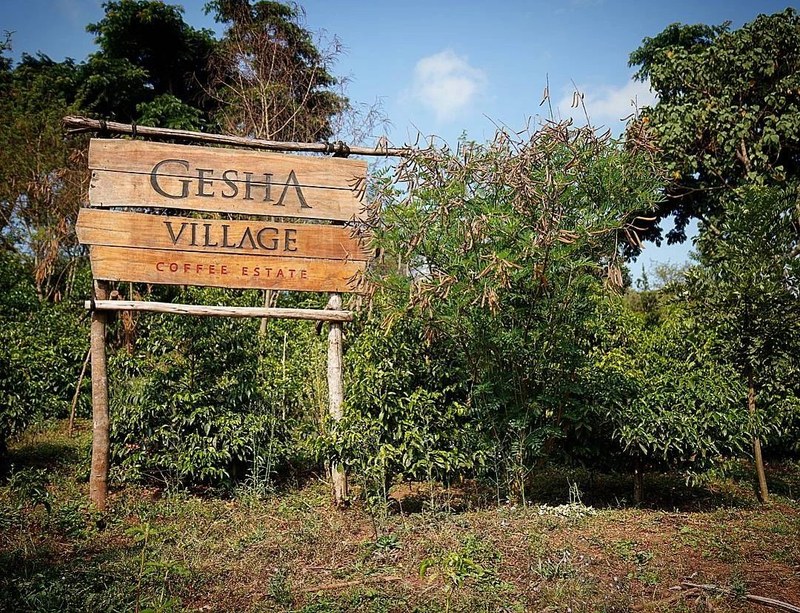
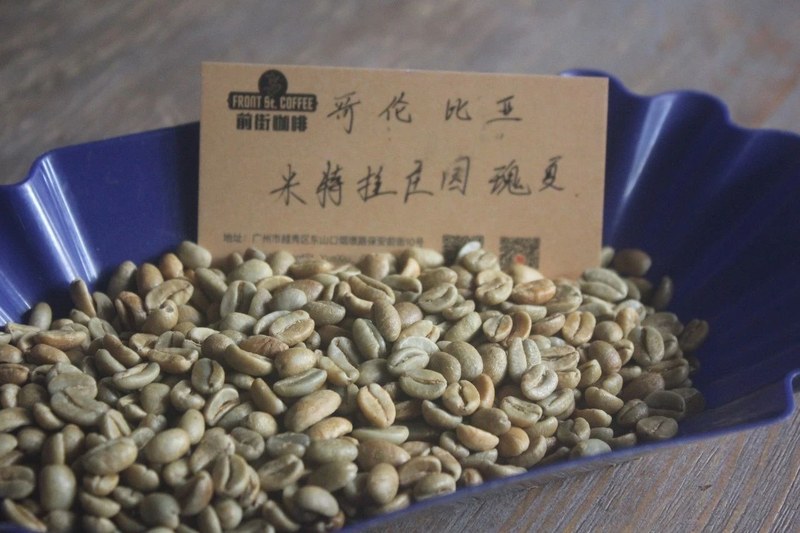
If you are after a light, elegant floral-fruity profile, Qianjie Boquete Geisha is very well suited to a lighter extraction approach. This bean has a very distinct jasmine fragrance and citrus notes, with a refined black tea quality and a honey-like, lasting sweetness in the finish. Just lower the concentration a little, and that crystalline fruit-tea texture is fully released, drinking light and refreshing.
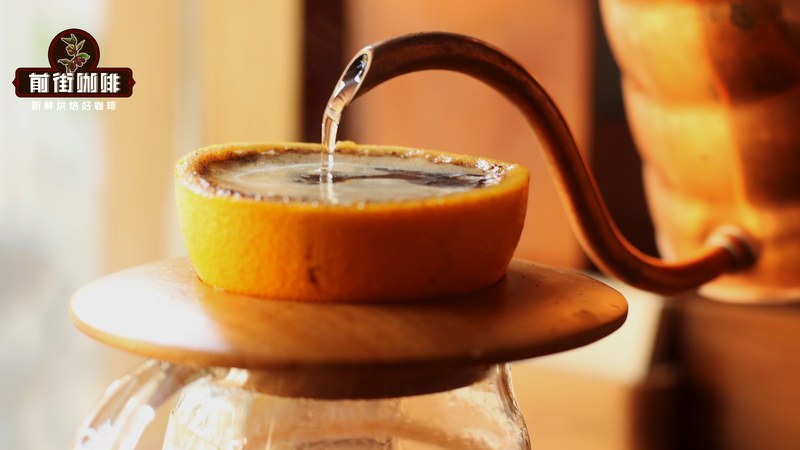
When brewing this kind of delicate floral-fruity bean, the pour-over parameters should be kept as gentle and stable as possible. It is recommended to use 15 g of coffee grounds with a 1-to-15 coffee-to-water ratio, pouring in 225 ml of hot water, with the water temperature controlled at around 91 degrees. Pour in 30 ml of water for a full 30-second bloom, then use a staged pouring method, pouring slowly so the stream passes evenly through the coffee bed, with the total extraction time controlled at around 2 minutes.
If you like a lively, juicy acidity, Qianjie Kenya Little Tomato will bring a completely different experience. It has dark fruit-juice flavors of cherry tomato, snow pear and smoked plum, with a bright, soaring acidity. This bean is very well suited to extraction at medium concentration, where the fruit acidity and sweetness interweave; not only is it sweet-and-sour and mouth-watering when drunk hot, but as an iced pour-over it has a refreshing quality like freshly squeezed juice.

For friends who prefer a rich, full-bodied style, Qianjie PWN Golden Mandheling is the representative of the strong-drinking route. Made from rigorously selected high-grade flat beans, it carries intense dark chocolate, caramel and a distinctive herbal pine aroma. When brewing, you can raise the concentration a little; a slightly finer grind can bring out its solid thickness, round and clean on the palate, with a long, lingering sweet aftertaste.
Different origins and terroirs give coffee beans their varied personalities, and extraction parameters are the brush that awakens them. Seasoned enthusiasts choose beans not only by roast level and producing region, but also by anticipating how they will express themselves in the cup. Set the parameters tailor-made to the nature of the bean, and with careful fine-tuning, every brew can become a wonderful moment that belongs to you alone.
Related Reading




Comments (0)
Loading comments...
You May Be Interested


Trending Reviews
Popular Videos

With you, wherever you are! We provide useful features to help you find new things you'll love






