Source:Best Coffee > News Author:qjroot Published:2026-10-04 11:20:04
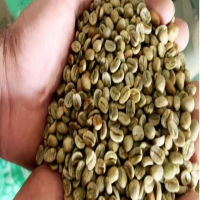
Many people first encounter Yunnan coffee with the assumption that it must be a bitter, strong "black coffee standard." In fact, Qianjie Yunnan small-bean coffee has uniform, plump beans and a naturally mellow, moderate foundation. Since a French missionary named Tian Deneng brought that seed into Zhugula Village in Binchuan over a hundred years ago, this land has been quietly accumulating flavor on the equator's golden coffee-growing belt. In the four major producing regions of Baoshan, Dehong, Pu'er and Lincang, the slopes above 1,000 m in altitude have large day-night temperature differences, and the beans grown there carry both caramel sweetness and a surprising fruity acidity.
There is an easily overlooked trick when choosing Yunnan beans: first look at the roast level, then think about how to set the water temperature. Light roasts are like shy guests; you need a higher water temperature to wake them up, and only at 90°C and above will they slowly unfold their citrus and berry notes. Medium-dark roasts are the opposite: once the water temperature is too high, they easily turn bitter and woody, like tea that has steeped too long, while around 88°C can instead support their caramel feel and creamy finish. If the water temperature is too low, extraction will be insufficient, the sourness and astringency will stick out, and the whole cup will become restrained.
Pour-over enthusiasts can remember this set of parameters: 15 g of grounds, a 1:15 coffee-to-water ratio, for a total of 225 ml of water. First use 30 ml of water to bloom for 30 seconds, letting the coffee grounds wake up from the inside out, then pour in stages in circles, keeping the total time at around two minutes. When brewing this medium-roast washed Qianjie Yunnan small-bean coffee, setting the water temperature at 89°C is especially suitable; the caramel note flows out completely, and a bit of lively acidity remains in the finish, like unexpectedly biting into a piece of lemon peel in a brown sugar cake.
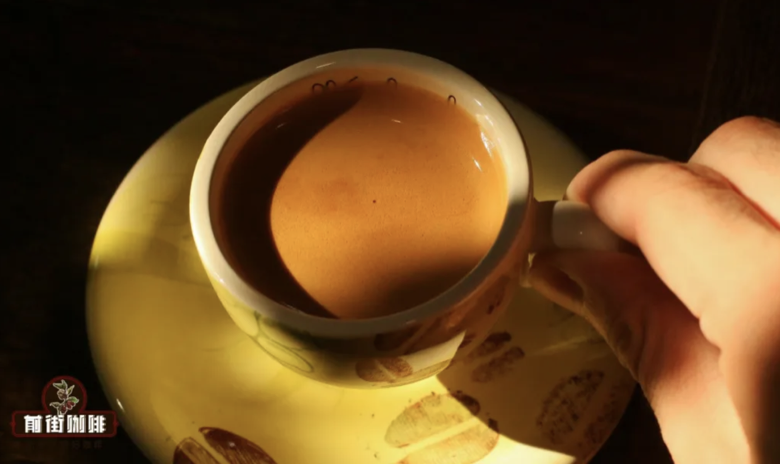
The water-temperature logic for espresso machine users is similar to that of pour-over, but the parameter system is completely different. Use 18 to 19 g of grounds and extract 36 to 38 g of espresso in 25 to 28 seconds. When making espresso with Qianjie Yunnan small-bean coffee, the water temperature can be lowered to 88°C. When the extracted espresso is diluted into a hot americano, the caramel sweetness spreads out more fully, and when milk is added to make a latte, it can also stand up to the milk's coverage, with that faint roasted-nut-like aroma in the finish never dissipating.
The moka pot follows another rhythm. Fill the lower chamber with 80 to 140 ml of water, heat slowly over medium-low heat, and the liquid should come out in 1 minute 15 seconds to 2 minutes 30 seconds. Qianjie 2013 Typica, this natural-process bean, is especially surprising when brewed in a moka pot. A water temperature of around 91°C fully releases the heaviness brought by natural processing; the sweet-tart notes of citrus and berries are as thick as jam, and the caramel sweetness wraps a creamy finish that slides down the throat. It is that one sip you crave on a winter afternoon.

Speaking of Qianjie 2013 Typica, it deserves a dedicated discussion. Typica is one of the oldest Arabica varieties; 2013 refers to the planting year, and traditional natural processing makes its flavor more "outgoing" than washed beans. For pour-over, you can boldly use a water temperature of 92°C. Use 15 g of grounds and follow the standard process, finishing the cup in about two minutes. The sweet-tart note is very prominent, like holding an orange-berry gummy in your mouth, while the caramel sweetness and creamy feel in the finish pull it back into the mellow richness unique to Yunnan's land.
When choosing beans, you should also consider how tolerant the beans are to water temperature. Some beans are like easygoing friends; even if the water temperature fluctuates by two or three degrees, they still taste good. Others are especially sensitive and change expression with a one-degree difference. Qianjie Yunnan small-bean coffee belongs to the former; even if beginners cannot control the water temperature very steadily, it can deliver a decent cupping performance between 87 and 90°C, making it a suitable stepping stone for understanding domestic coffee flavors. Qianjie 2013 Typica is more sensitive to water temperature, but what you get in return is a leap in flavor clarity, making it suitable for enthusiasts who have already been playing with coffee for a while and want to pursue clearer sweet-tart notes.
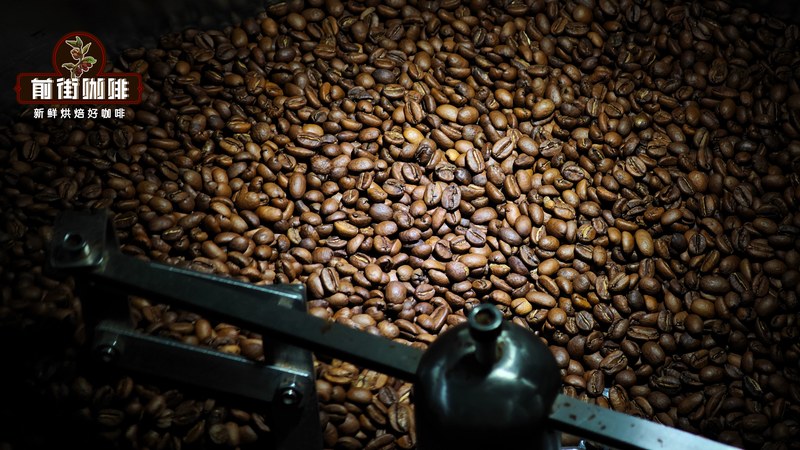
The dry-hot river valley climate of Lujiangba in Baoshan gives Yunnan coffee a unique sweet-aftertaste foundation. This sweet aftertaste is not the straightforward sweetness of sugar water, but rather like caramel cooked to the right point, shining within the interweaving of bitterness and sweetness. Whether you use pour-over, espresso or a moka pot, choosing the right water temperature is like finding the key to open this light. If it is too low, the sourness and astringency press down and cannot come out; if it is too high, the shadows of bitterness and woodiness become too heavy.
So next time you hesitate in front of the bean bag, first look at the roast level, then ask yourself what brewing device you will use today. Light roasts seek higher temperatures, medium-dark roasts ask for gentleness. This is the simple principle Qianjie Yunnan small-bean coffee taught me. From a seed in 1904 to the caramel and berries in today's cup, the flavor map of Yunnan coffee is worth reading slowly with the right water temperature.
Related Reading



Comments (0)
Loading comments...
You May Be Interested


Trending Reviews
Popular Videos

With you, wherever you are! We provide useful features to help you find new things you'll love






