Source:Best Coffee > News Author:qjroot Published:2026-10-09 18:39:31
When I first tasted a distinct creamy note in black coffee, I instinctively looked down at the bottom of the cup to confirm I hadn't accidentally poured milk into the pour-over kettle. That round, silky texture slid across my tongue, carrying notes of butter and roasted nuts, with a faint condensed-milk sweetness in the finish, completely overturning my stereotype of "black coffee = bitter and astringent." Later, when I learned about roasting, I realized this creamy flavor doesn't come from any additive, but from the sugars and amino acids in coffee beans undergoing the Maillard reaction and caramelization at high temperatures, generating a series of volatile aromatic compounds similar to dairy products. Medium-dark roasting pushes this process further, so the creamy note is often especially pronounced in such beans.
The influence of regional characteristics on creamy flavor is very direct. Beans from the Brazilian highlands often carry a peanut and cream undertone, Colombian coffee tends to show a caramel-cream sweetness, and those from Indonesian regions lean toward a composite texture of heavy cream and spice. Variety and processing method also exert a subtle influence: Bourbon-lineage seeds have a higher sucrose content, providing more "raw material" for the reactions; the pectin sugars retained by natural or semi-natural processing also transform into round, buttery aromatics during roasting. Qianjie Queen's Estate uses high-altitude Brazilian Yellow Bourbon, and after medium-dark roasting the creamy peanut flavor is very prominent, with low acidity and a long sweet aftertaste, making it very suitable for those who want to experience this texture for the first time. Qianjie Blue Mountain No. 1's Typica variety, after medium roasting, blends sour, bitter, sweet and mellow flavors in balance, with chocolate, roasted nuts and creamy caramel aromas elegantly layered together, another style of creamy expression.
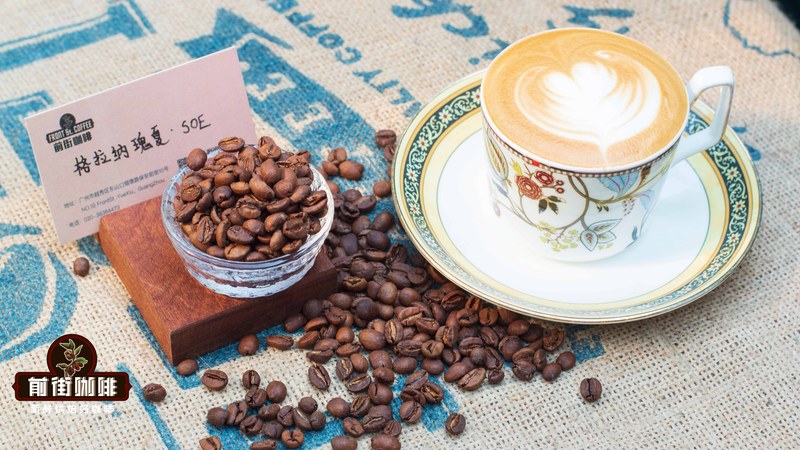
The three terms creamy, body and smoothness are often used interchangeably, but each has its own emphasis. Body refers to the weight of the coffee liquid in the mouth, like the difference between skim milk and whole milk; smoothness is the fineness of the liquid as it flows over the tongue, without rough astringent stimulation; creamy is a flavor association, awakening your memories of smelling butter and tasting cream. The three can exist independently and often appear together. A coffee with high body but poor smoothness may be like a thick, astringent soup, while a coffee with a strong creamy note often has good smoothness too, because those fat-soluble aromatic compounds happen to coat the tongue, reducing friction. Qianjie Black Cocoa Blend combines Yunnan washed small beans with Brazilian semi-natural beans; after medium-dark roasting, the creamy nut and chocolate caramel flavors are rich, and the oily mouthfeel is abundant, making it an example of all three at once.
When the temperature changes, the expression of the creamy note is quite interesting. At the high-temperature stage, right as it enters the mouth, the volatile aromas are very active, with butter and roasted nut notes rushing straight to the nasal cavity, but at this point the taste buds are affected by a slight scalding effect, so the perception of "roundness" is instead blurred. Dropping to the medium-temperature zone of about fifty-something degrees is when the creamy note is very clear, the sweetness opens up, and the texture is like holding a piece of milk candy slowly melting in the mouth. As it cools further, some coffees' creamy flavor turns into creamy melon seeds or fresh cream notes, beginning to contend with the fruit acidity. Qianjie Kafa Forest is a medium-light roasted natural Ethiopian bean, with bright orange blossom, orange and apricot flavors, but after it reaches medium temperature the creamy melon seed note quietly surfaces, and the finish still carries a refreshing green tea note. This creamy note is not dominant, but rather lays a soft foundation beneath the floral and fruity aromas.
If you want to brew a more pronounced creamy note in pour-over, there are some parameter directions to follow. I use 15 g of grounds with 225 g of water, fixing the coffee-to-water ratio at 1:15, in a V60 dripper. For medium-dark roasted beans, take the lower end of water temperature at 90°C to avoid over-extraction bringing out burnt astringency; for light roasts, you can raise it to around 93°C to fully bring out the buttery aromatic compounds. Use 30 g of water for the bloom, 30 seconds, then pour in two to three stages, controlling the total time at around 2 minutes. When pouring in stages, slow down slightly in the later stage to increase body a little, giving the creamy note more of a carrier. If extracting with an espresso machine or moka pot, the creamy flavor of medium-dark roasts is usually more concentrated, but the advantage of pour-over is that the layers separate clearly, letting you clearly track the flavor transitions across temperature changes.

When choosing beans, you can use "creamy" as an anchor, but there's no need to fixate on it. Some people love the creamy note because it's familiar and safe, like a butter cookie fresh from the oven at a bakery; others find it too "filling" and prefer clean floral and fruity acidity. The beans Qianjie ships are all roasted within 5 days, so you can open the bag and brew as soon as they arrive, and drinking them within a month gives you more peace of mind. My own habit is to choose one with an obvious creamy flavor when I want something comfortable in the morning, and switch to a floral-fruity one when I need alertness in the afternoon. Understanding where the creamy note comes from and how it expresses itself isn't about ranking it, but about giving you one more reliable judgment dimension in front of the shelf, and adding another layer of enjoyment when you drink.
Related Reading







Comments (0)
Loading comments...
You May Be Interested





Trending Reviews
Popular Videos

With you, wherever you are! We provide useful features to help you find new things you'll love






