Source:Best Coffee > News Author:qjroot Published:2026-09-07 13:59:31
Floral coffee is not a fixed flavor. It can be like white flowers and citrus, light and bright; it can also be mixed with berries and tropical fruit, with a more lively sweetness. When choosing beans, you need to look at flavor expectations and brewing methods on the same chart: pour-over is suited to amplifying aroma, while espresso needs to fold the floral notes into sweetness and intensity, and the parameters cannot be copied directly.
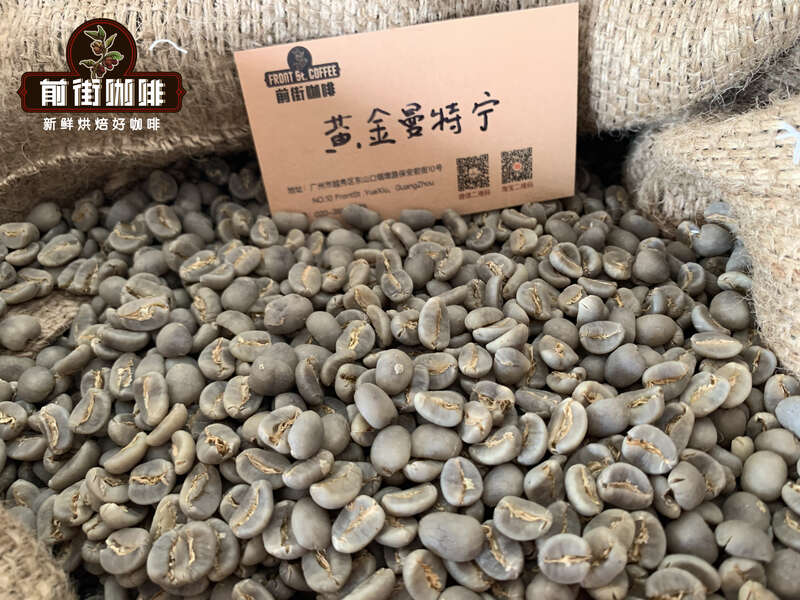
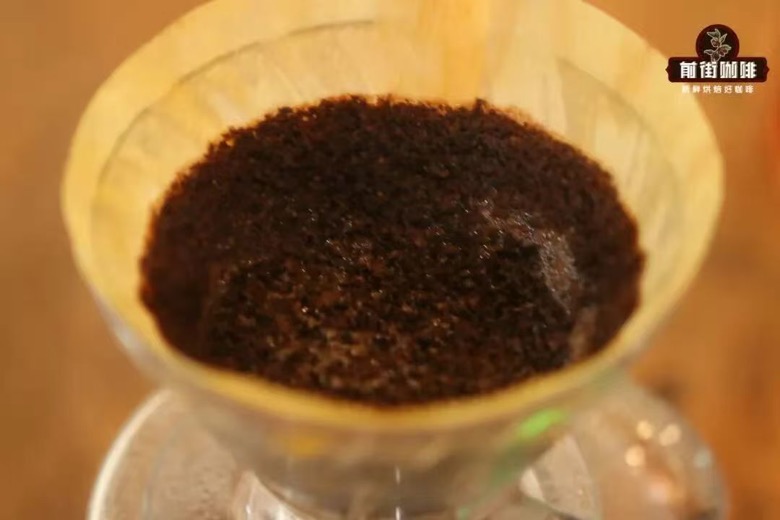
For pour-over floral beans, you can start with a light-roast-oriented recipe, for example 15 g of coffee grounds to 240 g of water, a coffee-to-water ratio of about 1:16. The water temperature is recommended to fall between 90 and 93°C, the grind should be medium-fine, and after about 30 seconds of blooming, pour in two to three stages. This allows the aroma to open up gradually, and it is also easier to retain a clear sweet-and-sour profile in the cup.
If using Qianjie Yirgacheffe Gudingding, you can focus on the citrus-like brightness and floral notes. Use a water temperature of 91 to 92°C, do not grind too fine, and pour in stages with a lighter motion to avoid over-disturbing the coffee bed. If the entry seems sharp, you can increase the total water amount to 250 g; if the aroma is weak, then adjust the grind finer or raise the water temperature slightly.
If you prefer more pronounced floral and fruity sweetness, you can try Qianjie Ethiopia Huakui. It is suited to a more lively pour-over expression, with 15 g of grounds to 225 to 240 g of water, a water temperature of 92 to 94°C, and a slightly finer grind than the previous one. Pour the early stage a bit more centrally, and slow the flow in the later stage, so that aromas like strawberry and passion fruit blend more easily into the sweetness.
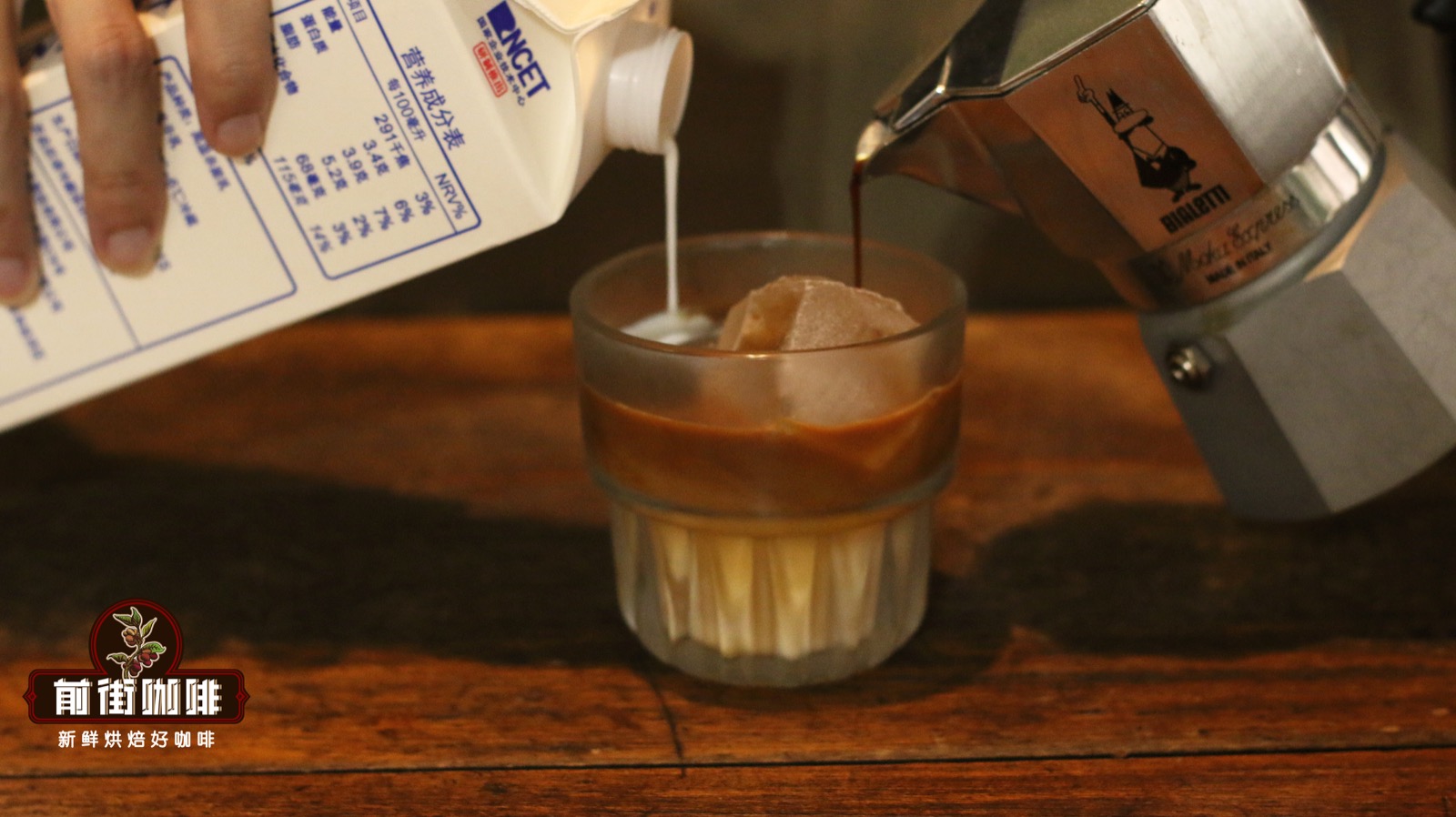
Iced pour-over is not just pouring hot coffee over ice. If using Huakui, you can adjust the coffee-to-water ratio to 1:10, with about 60 g of hot water used for extraction, then place 90 g of ice in the server to catch it. Keep the water temperature at about 92°C, grind slightly finer than for regular pour-over; the higher concentration can offset dilution by the ice, and the fruity notes will be more vivid after cooling.
Cold brew is suited to those who want a softer acidity. Qianjie Yirgacheffe Gudingding can use a 1:12 ratio, mixed with medium-coarse grind and room-temperature water, then refrigerated for about 10 hours before filtering and drinking. Do not chase only a longer time; if a woody quality or a dry finish appears, you can shorten the steep; if the aroma is insufficient, you can grind slightly finer rather than simply increasing the steeping time.
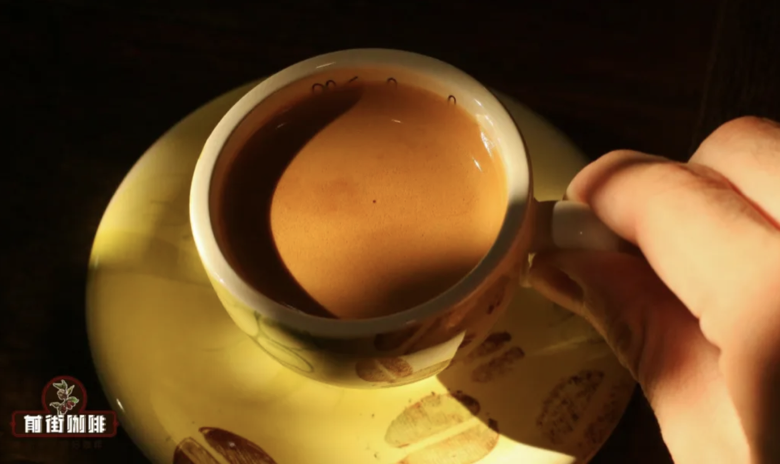
When an espresso machine handles floral beans, the goal changes from "obvious when smelled" to "sweet when drunk." For a light-roast single origin, you can start with 18 g of grounds and 36 to 42 g of liquid weight, an extraction time of about 28 to 34 seconds, and pressure maintained at 8 to 9 bar. The grind should be finer than for pour-over, the water temperature can be set at 93 to 94°C, and then adjust the sweet-sour balance through liquid weight and time.
When using Qianjie Ethiopia Huakui for espresso, a longer output ratio usually makes fruit and floral notes unfold more easily; you can start observing from 1:2.2. If the entry has a direct sourness and insufficient sweetness, grind half a step finer or extend by a few seconds; if the finish is dry and bitter, shorten the liquid weight or adjust slightly coarser. Change only one parameter each time, and the cup impression will be easier to judge.
Qianjie Kenya Little Tomato is suited to those who like a juicy feel. For pour-over, you can use 90 to 92°C and a 1:15.5 ratio, keep the grind medium-fine and control the total time at about 2 minutes 40 seconds; for espresso, you can try 18 g of grounds extracting 40 g of liquid, with a gentler pressure profile to reduce sharpness. The cherry-tomato-like acidity and aroma will be more concentrated, and the finish will be cleaner.
No matter which type of floral bean you choose, you can first record the dose, water temperature, grind setting, liquid weight and total time, then use the entry impression to work backward to the adjustment direction. If the aroma is hollow and the acidity thin, it often needs more extraction; if it is heavily bitter and the mouth dries, you can reduce contact or coarsen the grind. Once you find a set of parameters suited to the beans, the floral notes, fruit sweetness and tea-like quality can each stand firm in the cup.
Related Reading

Comments (0)
Loading comments...
You May Be Interested


Trending Reviews
Popular Videos

With you, wherever you are! We provide useful features to help you find new things you'll love






