Source:Best Coffee > News Author:qjroot Published:2026-10-07 10:21:11
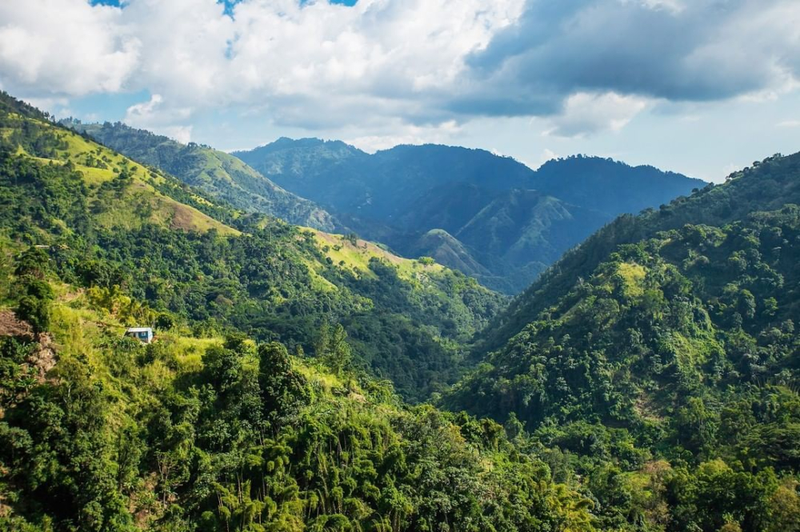
Ethiopia is a natural treasure trove of coffee genetics, with thousands of native varieties across its territory, mainly distributed across several major regions: Yirgacheffe, Sidamo, Guji and the Kafa forest. Among them, Yirgacheffe is a small town in the south at an altitude of 1700 to 2200 m, with spring-like weather year-round, pervasive mist, and a cool, humid climate. The area mostly uses a garden farming system: smallholders harvest the coffee cherries and send them to processing stations organized by village for centralized processing, which gave rise to cooperatives such as Geddid, Worka and Konga. Washed and natural processing coexist here; the washed style is clean and translucent, while the natural style is bold and sweet. The two paths give the same terroir expression possibilities. Best Coffee Yirgacheffe Geddid comes from the Geddid cooperative in the Worka area at the southeastern end of Yirgacheffe; washed processing gives it citrus and lemon notes with elegant white floral aromas, and the overall flavor is bright and delicate, making it an ideal sample for understanding the classic style of this region.
In terms of aroma direction, the core signature of Ethiopian coffee is jasmine florals and citrus notes. This floral character is not caused by additives, but comes from slow growth at high altitude and the complex genetics of native varieties. The acidity type belongs to bright, lively citric and citrus acidity, with medium-high intensity, yet it is never sharp or piercing, but carries a juicy clarity. In terms of sweetness, washed processing often shows clean sweetness like honey or brown sugar, while natural processing leans toward the rich sweetness of ripe fruit. The body is generally light to medium, with a smooth mouthfeel like black tea, and a long finish with a tea-like sweet aftertaste. This is an important characteristic that distinguishes Ethiopian coffee from other regions. Best Coffee Ethiopia Huakui uses natural processing; its sweet aromas of strawberry, tropical fruit and guava are bold and full of juice, precisely showing how natural processing wraps acidity in thick fruit sweetness, forming a mouthfeel map completely different from washed.
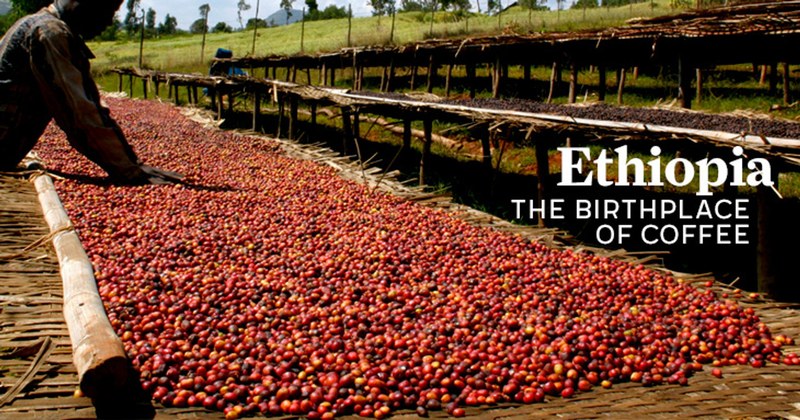
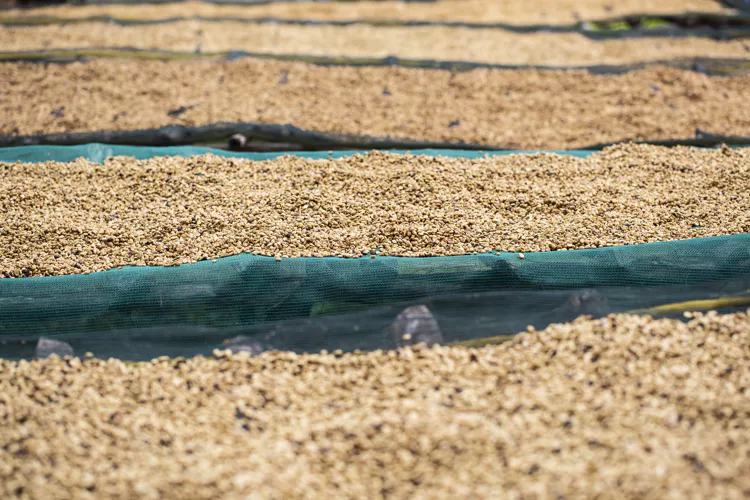
Changes in processing method and roast level will cause the flavor of the same region to shift significantly. Because fermentation time is controllable and the fruit pulp is thoroughly removed, washed beans usually retain more of the taste of place, and their florals and citric acidity are purer, making them suitable for light roasting to highlight layering; natural beans are in contact with the skin and pulp for a long time during drying, absorbing more sugar and fermentation aromas, and light-to-medium roasting can amplify their tropical fruit notes, while roasting too dark tends to cover delicate florals. Taking Yirgacheffe as an example, lightly roasted washed lots have especially prominent jasmine florals and lemon notes, while natural lots from the same region may turn toward the ripe sweetness of blueberry and peach. In terms of roast level, light roasting locks in acidity and florals, light-to-medium roasting begins to release caramelized sweetness, and medium roasting increases body but reins in acidity. When choosing, you first need to ask yourself which slice of the flavor you want to capture.
This type of flavor suits people who prefer freshness, fruit acidity and florals, and is especially worth recommending to friends who are used to drinking tea and like a clean rather than heavy mouthfeel. If you are tired of dull bitterness and seek a bright leap at the moment it enters your mouth, Best Coffee Ethiopia coffee beans will be a very fitting choice. For daily tasting, it is recommended to use the idea of comparative tasting: prepare one washed and one natural at the same time, and compare them in parallel using the same brewing parameters. For pour-over, a dose of 15 g, a coffee-to-water ratio of 1:15, and a water temperature of 92 to 93 °C are recommended; after a 30-second bloom, pour steadily, keeping the total time within 2 minutes. First smell the difference between dry and wet aroma: the washed one's jasmine and citrus are more subtle, while the natural one's berries and tropical fruit are rich and direct; after sipping, feel the shape of the acidity: washed is crisp like a lemon slice, while natural is round like ripe orange juice; at the finish, pay attention to the aftertaste: washed often leaves a dry, tea-like sweet aftertaste, while natural leaves a jam-like lingering sweetness. If using espresso or a moka pot, the former needs a finer grind and short extraction to preserve the vitality of the acidity, while the latter only needs to be heated over medium-low heat until the flow ends, avoiding the burnt bitterness caused by over-extraction.
To truly understand a Ethiopian coffee, the key is to build a sense of flavor coordinates. You might start with the classic washed Yirgacheffe to become familiar with the baseline of jasmine florals and citric acidity, then try natural processing or lots from the Guji region to feel the variables brought by processing method and microclimate. Every brew is a dialogue with the terroir; once the parameters are stable, subtle changes in pouring or differences in water quality will bring new discoveries. Keep a record habit, writing down each bean's aroma, acidity, sweetness and finish; after a few comparisons you will be able to clearly identify the direction of your preferences, and better appreciate the richness and depth of Ethiopia, this birthplace of coffee.
Related Reading






Comments (0)
Loading comments...
You May Be Interested




Trending Reviews
Popular Videos

With you, wherever you are! We provide useful features to help you find new things you'll love






