Source:Best Coffee > News Author:qjroot Published:2026-10-03 18:16:27
Costa Rican beans are famous for their sweetness, and honey processing makes the fruit notes as thick as jam. But many people only have a pour-over kettle at home, and water temperature is all by feel. Pour 90°C water over light-roasted beans and they pucker your eyes with sourness; brew medium-dark roasted beans at 85°C and they turn astringent like chewing tea dregs. Actually, before choosing beans, you need to figure out your own water temperature's temperament.

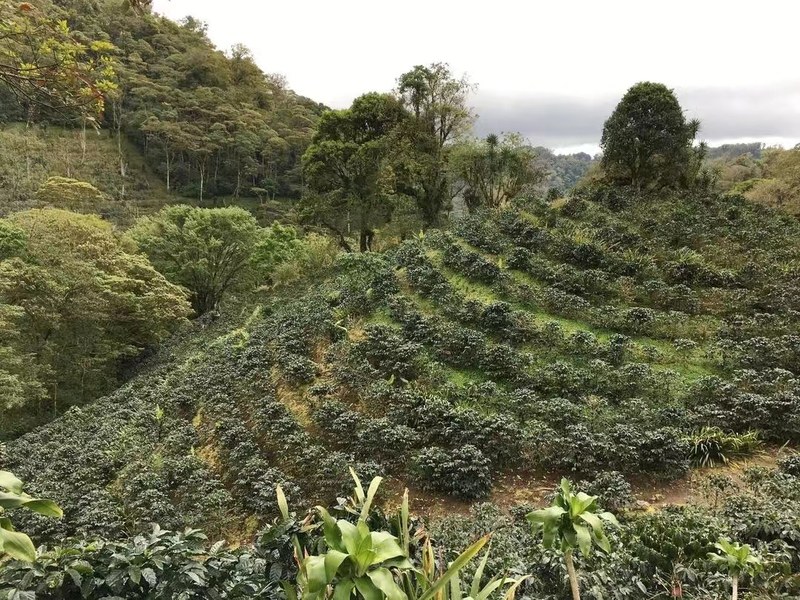
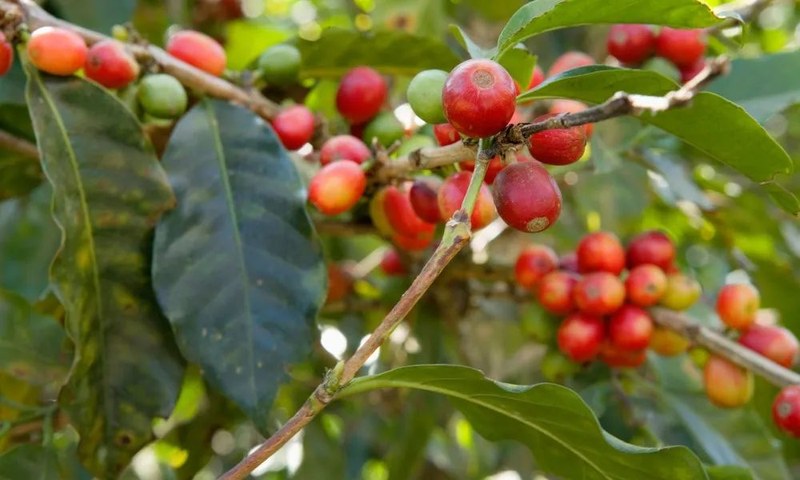
The Tarrazu region of Costa Rica has high altitude and a large day-night temperature difference, so the beans themselves accumulate plenty of sugar. Early washed methods were clean, but later water resources became tight, and coffee farmers adapted Brazil's pulped natural method into honey processing, keeping the mucilage to dry naturally in the shade. How much mucilage is kept and how long it dries further divides into black honey, red honey, yellow honey and white honey, with flavors ranging from heavy sweetness to crispness. These beans are especially sensitive to water temperature: brew them right and they're canned berries, brew them wrong and they're sour, astringent sugar water.
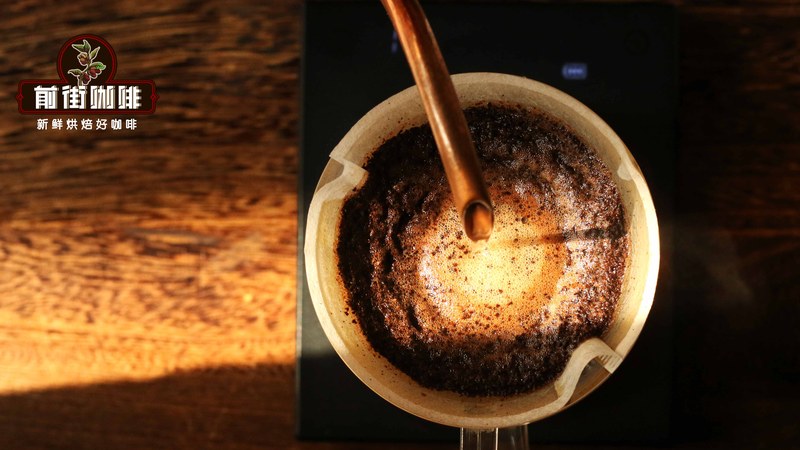
For light-roasted Costa Rica, I suggest pulling the water temperature up to 90 to 93°C. I often use Qianjie Costa Rica Qianjie Mozart, raisin honey processed, medium-light roast; the floral and fermented wine aromas need high temperature to pry the molecules open. 15 g of grounds, a 1:15 coffee-to-water ratio, 30 ml of water for a 30-second bloom, then pour in stages up to 225 ml, with total time controlled around two minutes. If the water temperature is below 88°C, the rose floral aroma won't come out, leaving only a thin raisin-skin taste.
Medium-dark roasted beans, on the other hand, need a lower temperature. Qianjie Blackberry is black honey processed, with the most mucilage retained and a full 14 days of drying, so the sweetness is very abundant, and the ripe berry flavor is like melted blueberry jam. These beans are best at 86 to 89°C; if the water temperature is too high, the sugars caramelize excessively, and the finish turns bitter and woody, like biting into a scorched fruit pit. The pour-over parameters are the same as above, but slow the pouring speed a bit to give the lower temperature enough time to extract the sweetness.
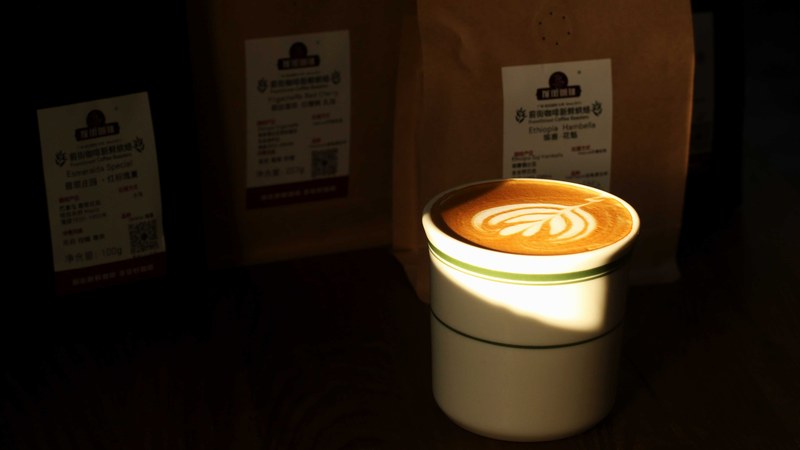
Espresso machine users need to watch the water temperature even more closely. For light-roasted beans as SOE, the extraction water temperature is suggested at 92 to 94°C, 18 to 19 g of grounds, extracting 36 to 38 g of espresso in 25 to 28 seconds. When Qianjie Mozart is made as an americano, the floral aroma still stands tall after adding hot water; as a milk coffee, the fermented wine aroma pairs especially well after the milk caramelizes. When medium-dark roasted Blackberry is made as espresso, drop the water temperature to within 90°C; with the same dose and time, the espresso's sweetness is more concentrated, and after adding milk it's like liquid berry cake.
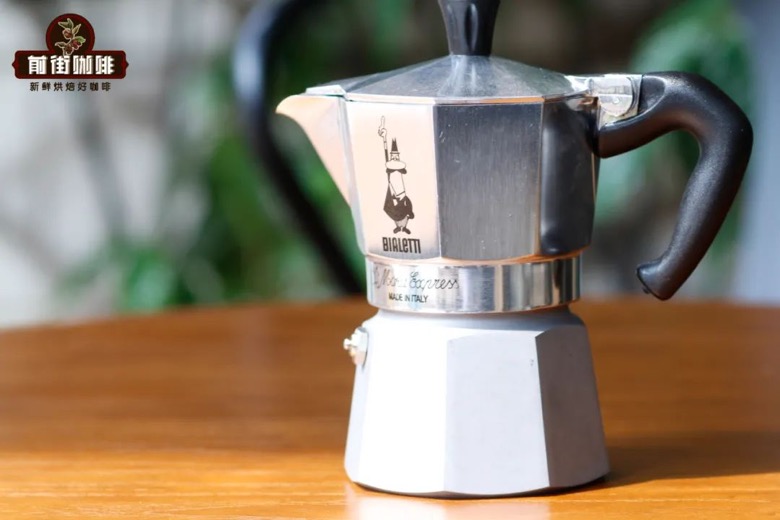
The moka pot follows another logic. Fill the lower chamber with 80 to 140 ml of water, heat over medium-low heat, with the outflow time from 1 minute 15 seconds to 2 minutes 30 seconds. When Blackberry is brewed in a moka pot, the water temperature is actually on the high side, but the pressure inside the pot makes up for the lack of low-temperature extraction, and the sweetness turns out even more substantial. Qianjie Mozart is not really recommended for the moka pot; the floral aroma is too delicate, and high pressure and high temperature easily brew it into a monotonous caramel.
When choosing beans, look at how tolerant they are of water temperature. Honey-processed beans are generally more forgiving than washed beans; the sugars in the mucilage layer buffer temperature fluctuations. If you don't have a temperature-controlled kettle at home, for light-roasted beans boil water and let it sit for two minutes; for medium-dark roasted beans let it sit for three minutes, which roughly lands in a reasonable range. Qianjie also has a Tarrazu washed bean, which is pickier about water temperature than honey processed, but its acidity is bright like citrus hard candy, suitable for players willing to control temperature precisely.
Don't mix up the water temperature ranges for pour-over and espresso. Pour-over is an open environment where heat dissipates quickly, so the water temperature can be two degrees higher; espresso is sealed and under high pressure, so the same number feels hotter. Some people find 95°C just right for pour-over of light roasts, but setting an espresso machine to 95°C easily over-extracts and turns bitter. Blackberry and Qianjie Mozart differ by three or four degrees in pour-over with distinctly different flavors, but on an espresso machine that gap magnifies into the two extremes of sweet and scorched.
Costa Rican beans are like a good-tempered sweet girl, but even a sweet girl has her limits. Get the water temperature right, and the complex fruit notes of honey processing unfold layer by layer; get it wrong, and even the most expensive beans flatten into a cup of sugar water. The coffee time after dinner isn't long, so choosing a honey-processed bean that's tolerant of water temperature is more worry-free than gambling on a delicate washed bean. Blackberry's sweetness is steady, Qianjie Mozart's aroma is jumpy; match them to your own equipment's water temperature capability, and that after-dinner cup will have been worth brewing.
Related Reading




Comments (0)
Loading comments...
You May Be Interested




Trending Reviews
Popular Videos

With you, wherever you are! We provide useful features to help you find new things you'll love






