Source:Best Coffee > News Author:qjroot Published:2024-12-01 18:37:13
For nearly 20 years, Geisha has been one of the most popular coffee varieties in the world. It rose rapidly in 2004, and afterwards fetched record-breaking prices at many renowned coffee auctions, especially in Panama.
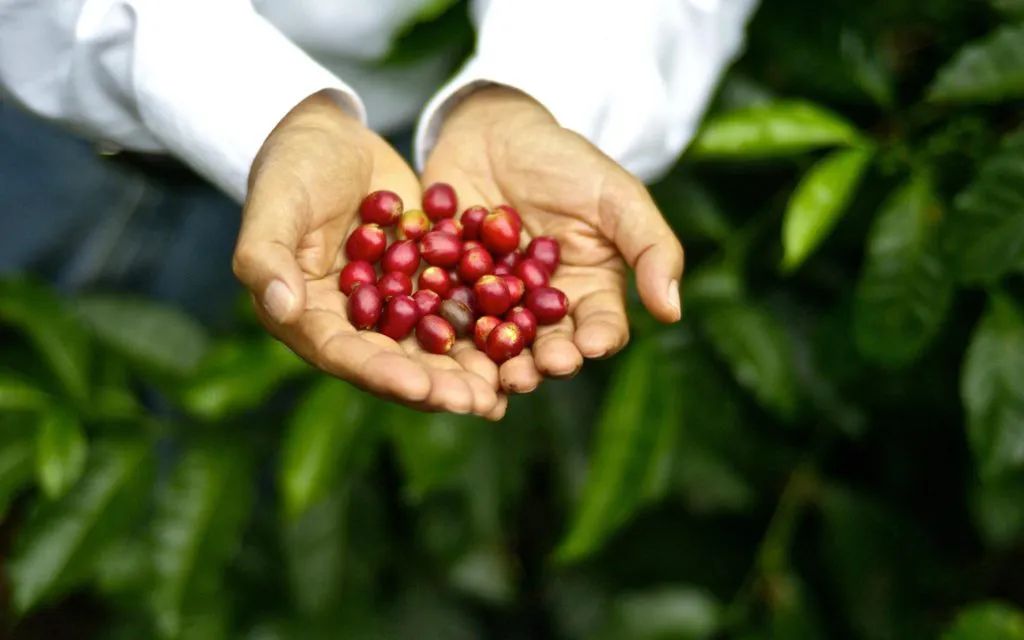
Gesha originated in Ethiopia. At first, it did not attract much attention, all because of its low yield and tall plants, which made it difficult to cultivate. However, because of its resistance to leaf rust, it was sent to research centers in many countries. It was introduced to Costa Rica in 1953, and only introduced to Panama in 1970, where local producers discovered the enormous potential of the Gesha variety.
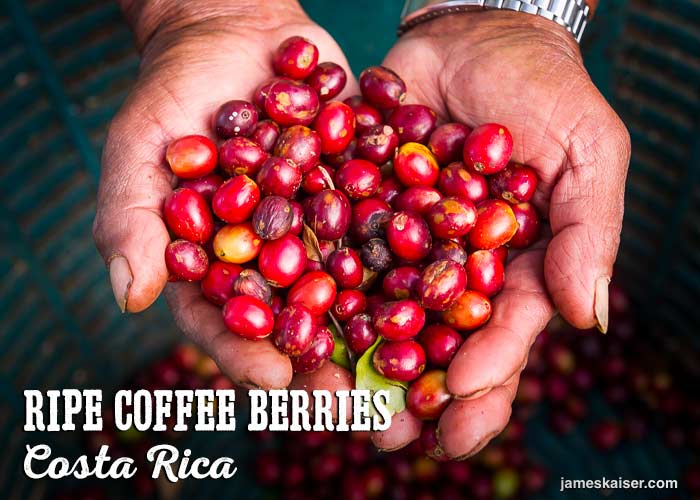
Therefore, it attracted other coffee-producing countries to also begin planting and producing the Gesha variety, among them Costa Rica, Panama's neighbor. These two countries are relatively similar in climate and natural environment, so how is the Gesha grown in Costa Rica? Is there any difference from Panama Gesha?
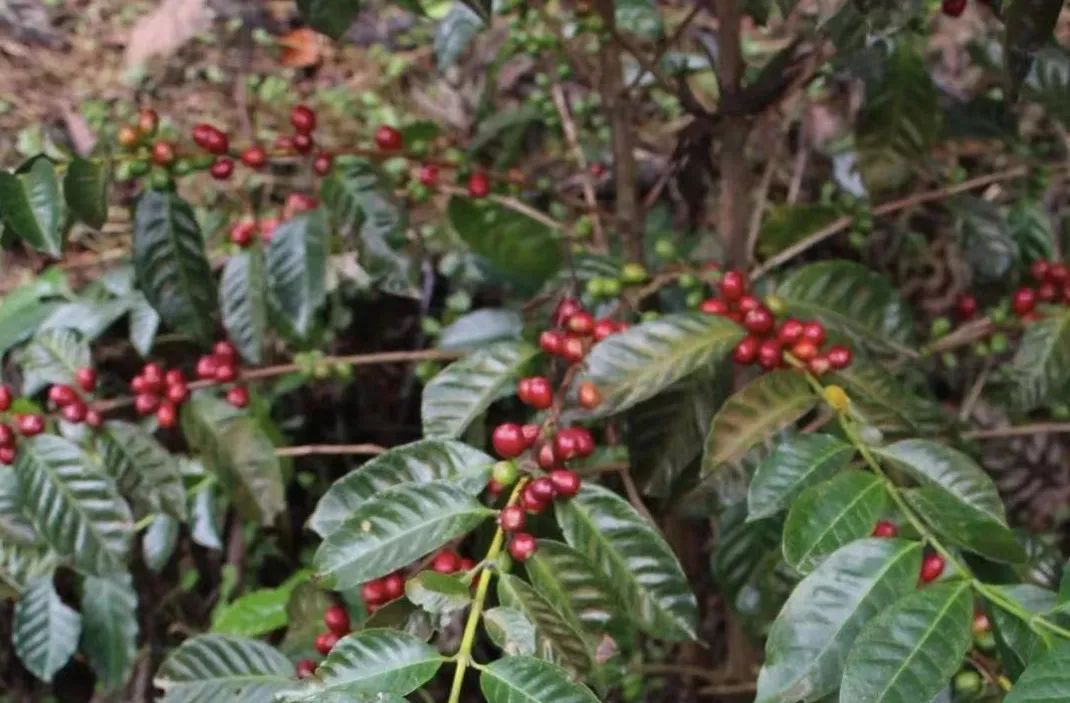
Panama has an undulating terrain, crisscrossed by ravines and valleys, and a tropical maritime climate. Except for the plains along the northern and southern coasts, the rest of the country is mostly mountains and volcanoes. Coffee is grown in the mountains at altitudes of 1200-2000 m. The mountains create a unique microclimate for the local area, while the large temperature difference at high altitudes allows the coffee fruit to grow slowly and develop flavor, providing the natural conditions for Panama to grow high-quality coffee.
Coffee is mainly grown in Chiriqui Province in the west of the country, bordering Costa Rica, around the Chiriqui Volcano (also known as Volcan Baru), and is divided into three coffee-producing regions: Boquete, Volcan-Candela and Renacimiento. Among these regions there are many well-known coffee estates, such as Hacienda La Esmeralda, Elida Estate, Hartmann Estate and others.

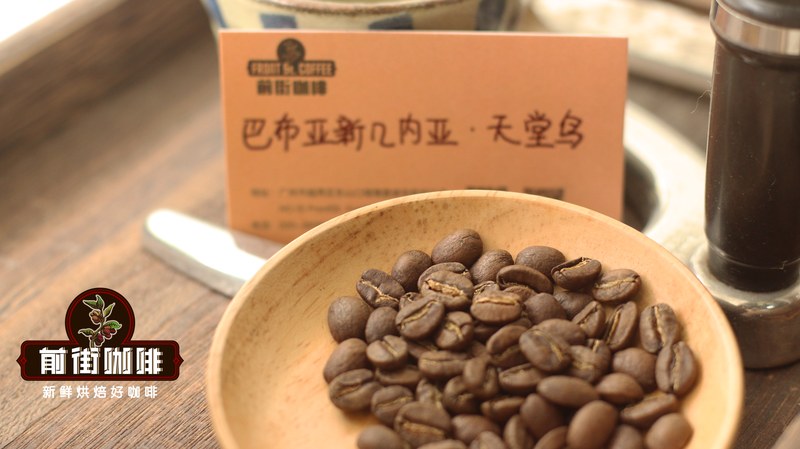
FrontStreet Coffee has a Geisha from the Boquete region of Panama, washed processed; after brewing you will smell jasmine, and on the palate there is a lemon-like acidity, bergamot and honey flavors, with a green tea-like mouthfeel, and a refreshing taste.
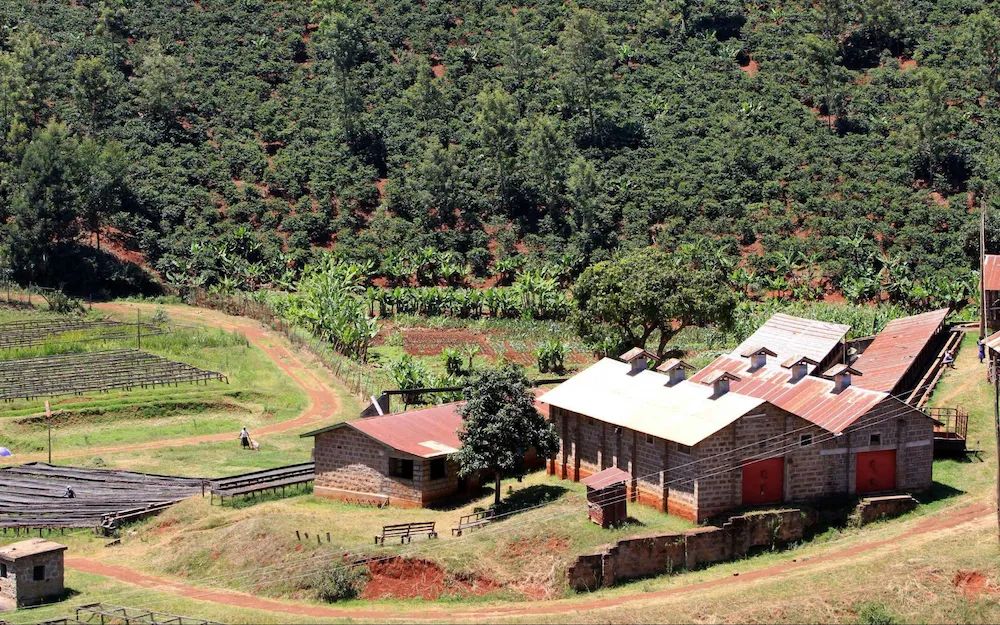
Costa Rica likewise has abundant natural resources and ecological environment; coffee is grown at 800-2000 m, mainly concentrated in the central mountain range, mostly volcanic terrain; volcanic ash provides fertile soil, mild and suitable temperatures, and stable and plentiful rainfall, which are important factors for Costa Rica producing excellent coffee. Although Costa Rica and Panama have similar growing environments, there are still some notable differences.
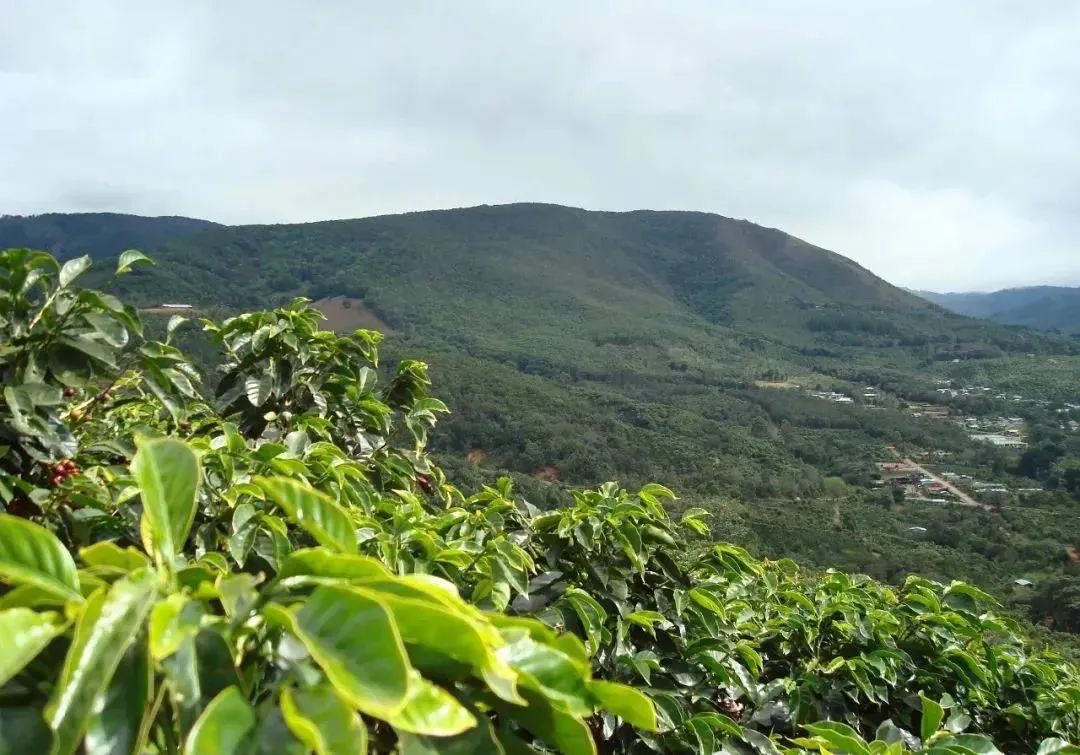
Recently, FrontStreet Coffee has launched a new honey-process Geisha from San Isidro Labrador estate, located in Tarrazu, Costa Rica's most important coffee-producing region. The estate sits at an altitude of about 1950 m, with distinct dry and rainy seasons, resulting in quite a few unique microclimates. The estate has long focused on the cultivation, production and quality of specialty coffee, and has won good rankings and awards multiple times in the country's COE competition.
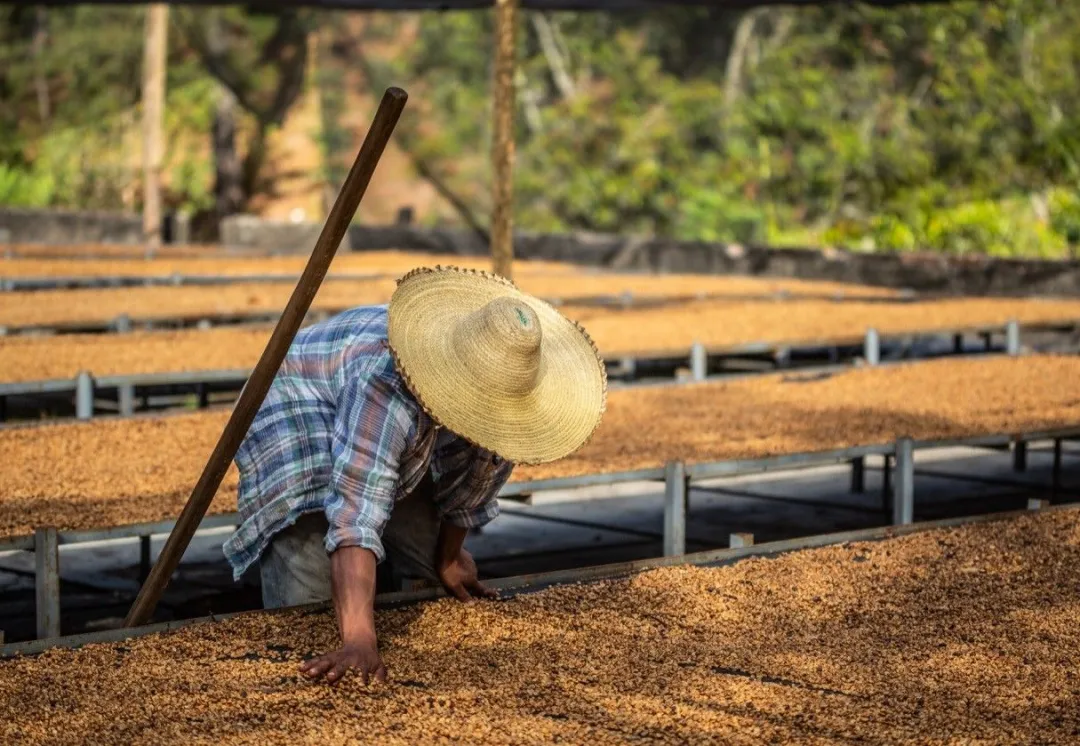
The Geisha we obtained from this estate this time uses the honey process common in Costa Rica. Once brewed, it has a faint floral aroma and tastes of cherries, oranges and yellow peaches, with a juicy sweetness, a clean finish and a mouthfeel like oolong tea.
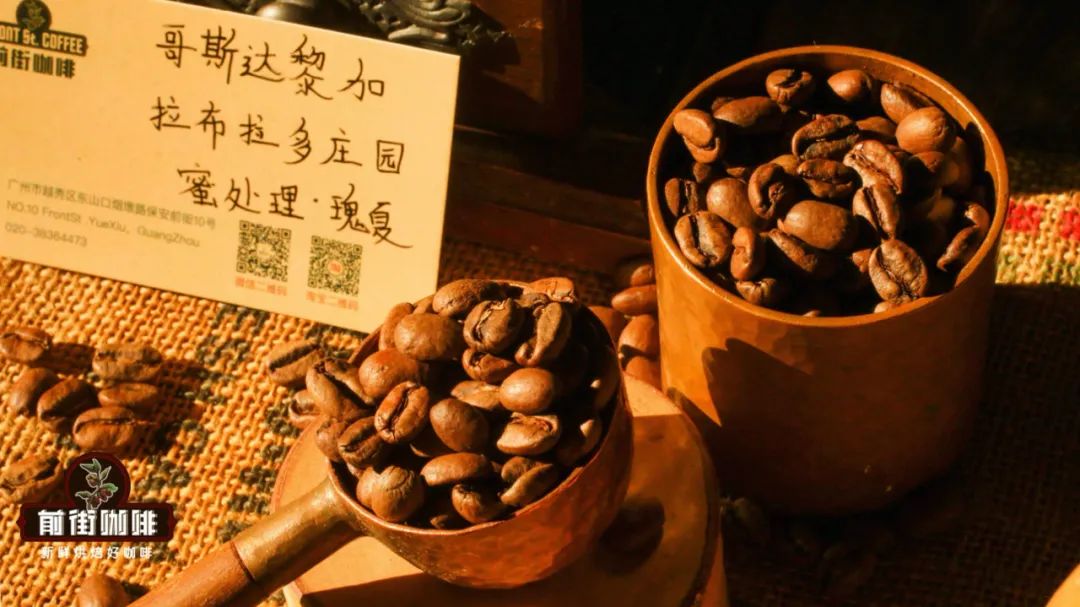
Although Costa Rican and Panamanian Geisha belong to the same variety, differences in geographical location, growing environment and processing methods mean that the Geisha produced by the two countries differs in flavor characteristics. In addition, coffee beans are an agricultural product, so even within the same country, the same variety grown in different regions will have different flavor characteristics.
Whether it is Panamanian Geisha or Costa Rican Geisha, both express floral and citrus-toned flavors; because Costa Rica uses honey processing, the sweetness is a little higher, but overall it does not have the complex, rich flavors of Panamanian Geisha.
To learn more about coffee origins and news, please scan the QR code to follow: Kaping
Long-press the QR code to follow:

Related Reading






Comments (0)
Loading comments...
You May Be Interested



Trending Reviews
Popular Videos

With you, wherever you are! We provide useful features to help you find new things you'll love






