Source:Best Coffee > News Author:qjroot Published:2026-09-22 14:08:57
Many friends who are just getting into specialty coffee find themselves overwhelmed when choosing beans, but in fact, as long as you get a grasp of the washed processing method, it is like getting a direct ticket to understanding the terroir of origins around the world. Washed beans are like a singer performing bare-faced, removing the heavy interference of mucilage and letting the pure individuality endowed by different soils, climates and altitudes to the green coffee beans show in every tiny detail, so that every sip brings the pure feeling of nature.

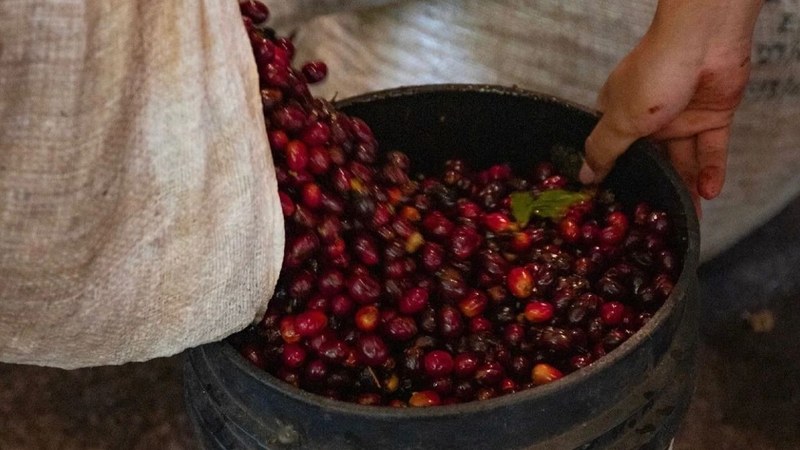
In the washed processing method, after the pulp is removed, the mucilage is fermented and washed off, and after a long process of washing and soaking in clean water, the monosaccharides in the fruit are greatly consumed, instead transforming into an especially rich acidity. This also gives washed beans a light, transparent body and a clear, bright acidity. If you want to capture the native terroir code of producing regions on different continents, starting with washed beans is an especially reliable and surprise-filled experience.
When talking about the fascinating flavors of washed coffee, the highland producing regions of the African continent stand out especially. The large temperature difference between day and night brought by high altitude gives the beans a crisp floral and fruity aroma. In Ethiopia, for example, Qianjie Yirgacheffe Gedingding Cooperative Coffee is a typical representative. Local smallholder farmers send ripe fresh cherries to the experienced Gedingding team for unified washed processing, showing the purity of the origin especially well.
This Qianjie Yirgacheffe Gedingding Cooperative Coffee, after medium-light roasting, releases an elegant jasmine aroma as soon as hot water is poured over it. On the palate it carries a bright, transparent citrus acidity, and in the finish you can still taste a long-lasting green tea and honey sweetness. Whether made as pour-over or chilled cold brew, that light and lively quality like a floral and fruity tea is especially appealing, and it suits friends who prefer a fresh and gentle style.
If you prefer a fuller, juicier burst of sweet and sour, Qianjie Kenya Little Tomato Coffee will bring a completely different African terroir. Kenya uses a rigorous double washed process, with multiple soaks and rinses to wash away impurities. This bean brews with lively cherry tomato, smoked plum and black plum flavors, accompanied by a snow pear-like crispness and yellow sugar sweetness. The acidity is rich and juicy, with especially outstanding recognizability.
Crossing the ocean to the Caribbean, the island climate has relatively less sunshine. In order to keep coffee beans from spoiling easily during drying, the local area explored the washed process earlier. Because the skin, pulp and mucilage are removed in advance, the parchment beans dry quickly and have a low defect rate. Under this combination of terroir and craft, the world-renowned Qianjie Jamaica Blue Mountain No.1 Coffee was born.
Qianjie Jamaica Blue Mountain No.1 Coffee shows another face of washed beans: elegant, steady and highly balanced. It does not have a high, sharp fruit acidity, but instead blends the notes of hazelnut, fresh cream, dark chocolate and caramel just right. The expression of each flavor is pure and restrained, the mouthfeel is warm and delicate, with no abrupt off-flavors, making it especially suitable for friends who love a classic, mellow texture to savor slowly.
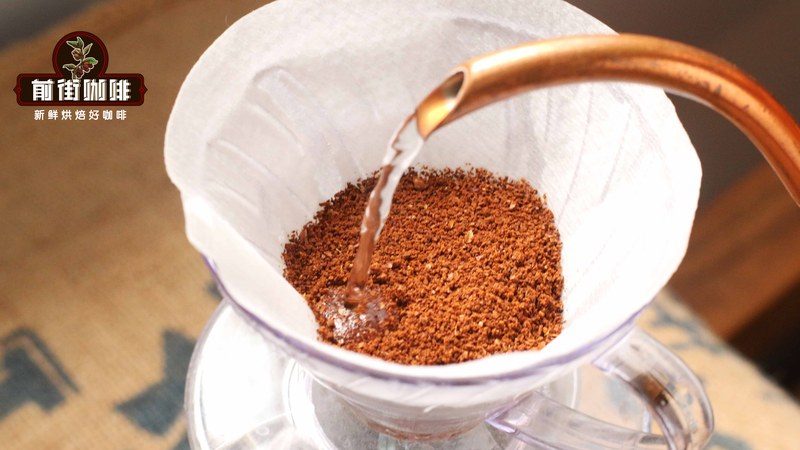
When brewing these washed beans, a pour-over kettle is recommended to present a transparent, pure sense of layering. Take 15 g of freshly ground coffee powder and extract with 90 to 92°C hot water at a 1:15 coffee-to-water ratio. First pour in 30 ml of water and gently bloom for 30 seconds to awaken the aroma, then pour in stages up to 225 ml. Control the whole extraction time at around 2 minutes, and finish between 1 minute 50 seconds and 2 minutes 20 seconds.
From the jasmine and citrus of Ethiopia, to the juicy tomato and smoked plum of Kenya, to the warm nuts and chocolate of Jamaica, the washed process uses the clearest strokes to outline the true appearance of the soil and water of each place. In daily selection, as long as you clarify your current taste preference and try along the track of origin terroir, you can easily brew a clean, smooth and satisfying cup of good coffee at your own bar.
Related Reading


Comments (0)
Loading comments...
You May Be Interested


Trending Reviews
Popular Videos

With you, wherever you are! We provide useful features to help you find new things you'll love






