Source:Best Coffee > News Author:qjroot Published:2026-09-18 17:16:02
When brewing with a drip coffee machine or an espresso machine in daily use, more than 90% of the liquid in the cup is actually water. Water is not just the brewing medium; the calcium and magnesium ions and bicarbonate in it are also quietly carrying the aromatic substances from the coffee grounds. If you usually connect tap water directly and pour it into the water tank, the excessively high minerals in the water can easily make the floral notes in the coffee dull, and even press the originally delicate juicy feel into a flat astringency.
To understand the impact of water quality on extraction, the most intuitive daily indicator is total dissolved solids, or TDS. Hard water with a higher TDS contains more mineral ions and can easily over-grab the deep large-molecule woody flavors, making the whole cup taste heavier and muddier. Soft water with a TDS of around 40 to 80, on the other hand, just leaves ample space for water molecules, smoothly dissolving the delicate aromatic alcohols and bright fruit acids in light-roast beans.
There are actually many water choices commonly used at home. Because purified water has extremely low mineral content, the coffee extracted with it often tastes thin and hollow, lacking the support of sweetness on the finish. Even if tap water is boiled, it still has too many minerals and carries the off-flavors of residual chlorine. For everyday machine brewing with less hassle, preparing some natural spring water or adding a remineralization filter after a purified water system can immediately make the extracted fruit aromas and sweetness become more open and expressive.
Once the water is adjusted to a soft and moderately mineralized state, your bean selection can confidently turn to high-altitude single-origin beans with rich flavor layers and bright fruit acids. This kind of water is like a clean white canvas, fully supporting the delicate processing aromas of the beans, and is especially suitable for showcasing those famous estate beans known for refined floral and fruity notes.
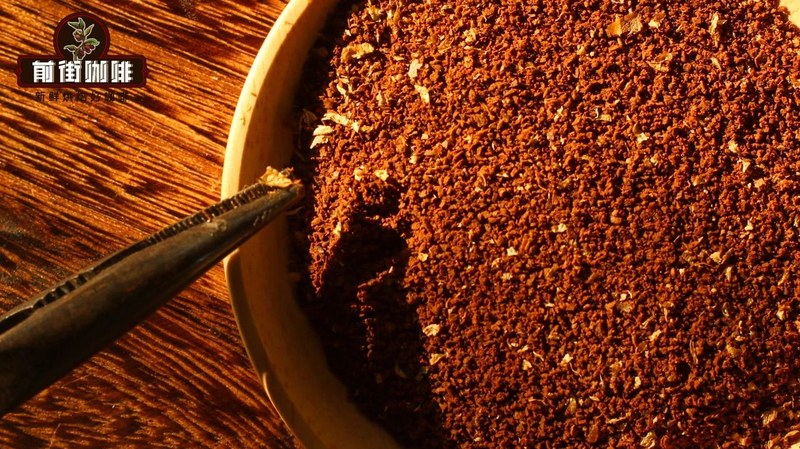
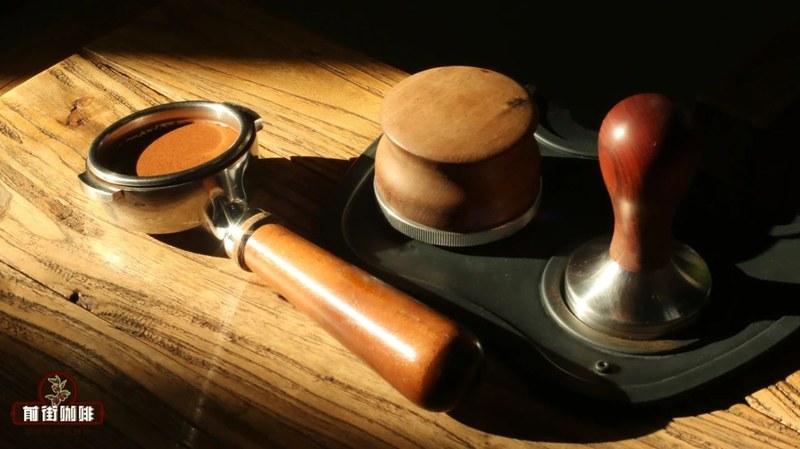
For example, Qianjie Panama Hacienda La Esmeralda Red Label Geisha itself has elegant jasmine aromas, bergamot, and a clear citrus black tea resonance. If using machine brewing to make espresso, it is recommended to prepare 18.5g of finely ground coffee, put it into the portafilter basket, distribute and tamp it flat, set the extraction temperature to 93°C, turn on the machine for low-pressure pre-infusion, then extract 37g of coffee liquid at constant pressure, with the extraction time controlled at 26 seconds. The resulting SOE espresso has an extremely vivid aroma; add warm water to make a long black, and the bergamot and tea notes linger for a long time.
If you like the abundant, juicy, lively aromas of tropical fruit, Qianjie Colombia Sidra is a very fitting choice. This bean gives off the rich fragrance of passion fruit, blueberry, and fresh grapes, and with soft water brewing, the acidity turns into a warm, sweet, juicy mouthfeel. When made by machine brewing, the fruit aromas and water temperature interact very sensitively, and a slight adjustment to the water quality can bring a noticeable increase in sweetness.
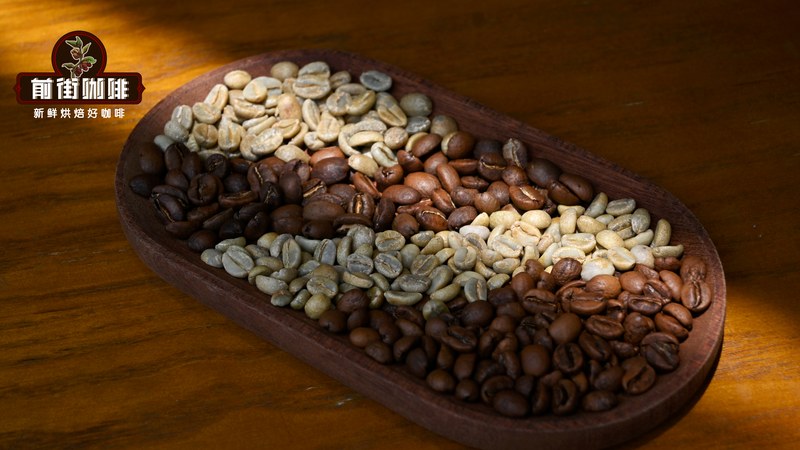
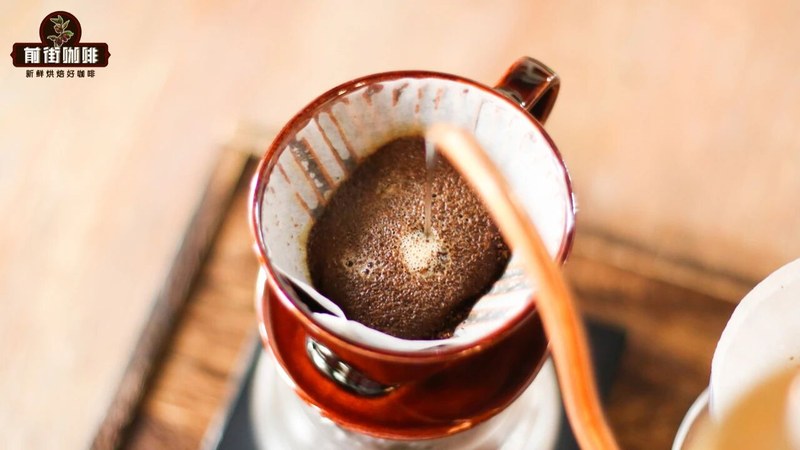
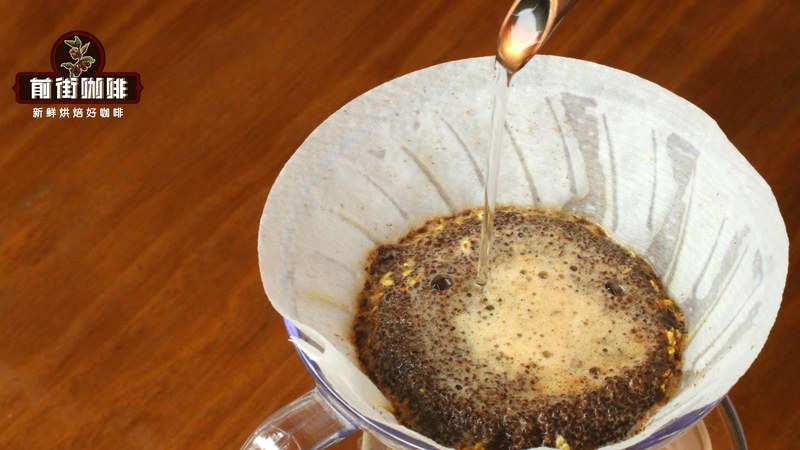
If you have an automatic pour-over machine or an American drip machine, using this Qianjie Colombia Sidra to make a cup of black coffee can set the water temperature at 91°C, add 15g of coffee grounds, set the total brewing water to 225ml, have the machine pour in three stages, first wetting and blooming with 30ml for 30 seconds, then pouring at a steady rate in two more stages until finished, with the total duration controlled at 2 minutes 05 seconds. The first sip is like biting into a plump berry, with sweet and sour interwoven and no off-flavors at all.
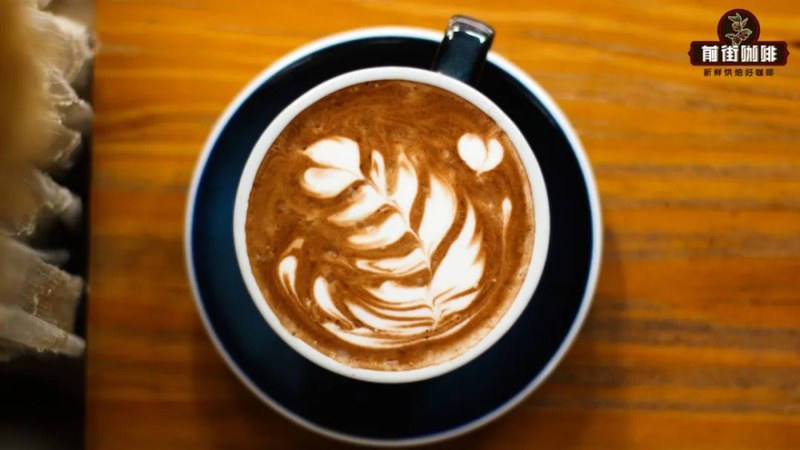
Another one worth savoring slowly with soft water is Qianjie Granja Geisha. The natural process gives it the sweetness of orange blossom, ripe guava, and strawberry jam. This concentrated jammy sweetness can be fully released in water with moderate minerals, avoiding the dry, astringent, puckering feeling that hard water brewing easily brings. Under the machine's even pouring rhythm, the apricot sweetness on the finish is especially long.
Extracting this Qianjie Granja Geisha with a semi-automatic espresso machine is also excellent: take 19g of finely ground coffee, tamp it, perform low-pressure pre-infusion at 92°C, then extract at constant pressure for 27 seconds to get 38g of espresso. At this point the whole cup gives off a warm, sweet aroma like strawberry jam; drunk directly, the texture is like velvet, and when added to steamed milk to make a piccolo, the lingering orange blossom and apricot notes can still penetrate the milk foam.
For everyday machine brewing, if you want to fully understand the flavor of a good bean, you might first adjust the water to a crisp, balanced soft-water setting, and then pair it with light-to-medium roast single origins that have prominent floral and fruity aromas and delicate acidity. Feed your coffee machine the right water, and those floral notes and clear sweetness hidden deep in the coffee beans will naturally bloom clearly in the cup.
Related Reading
Comments (0)
Loading comments...
You May Be Interested

Trending Reviews
Popular Videos

With you, wherever you are! We provide useful features to help you find new things you'll love






