Source:Best Coffee > News Author:qjroot Published:2026-09-07 10:36:58
Chocolate, nuts and berries on a coffee bean bag are only flavor clues. What actually reaches the cup must first be rearranged through water temperature, coffee-to-water ratio, grind and pressure. When choosing espresso beans, you can think in reverse: can your home equipment provide the extraction conditions suited to them? Beans that can be smoothly dialed in by your existing grinder and coffee machine are more likely to show the expected sweetness and texture.
Coffee with a darker bean color and a relatively looser structure usually extracts faster, so it suits lower water temperatures and controlled contact time; lighter-roasted, denser beans often need hotter water, a finer grind or more yield. If you want to cover both pour-over and espresso, look for medium roasts with clear sweetness and acidity that is not overly pronounced; both sets of recipes will be easy to develop.
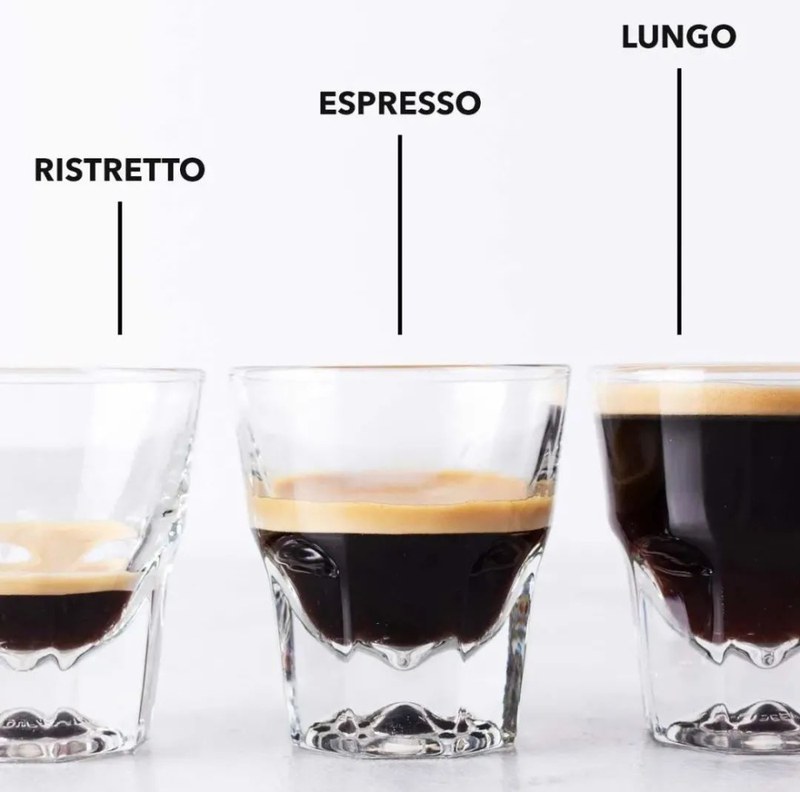
Best Coffee Black Cocoa Blend is suited to making espresso short and full-bodied, entering the mouth like chocolate with a high cocoa content, followed by roasted nuts and a dark syrup-like sweetness. Using an 18 g double basket, you can start from 18 g of coffee, 34 to 38 g of liquid weight and 25 to 30 seconds, with water temperature at 90 to 92°C and brewing pressure around 8 to 9 bar.
If the finish of Black Cocoa leans scorched and bitter, you can coarsen the grind slightly or lower the water temperature; there is no need to keep reducing the yield. For pour-over, use 15 g of coffee with 225 to 240 g of water, water temperature 87 to 90°C, a medium-coarse grind and a total time of about 2 minutes to 2 minutes 30 seconds. Pour more gently and reduce agitation in the later stages; the cocoa sweetness in the cup will become rounder.

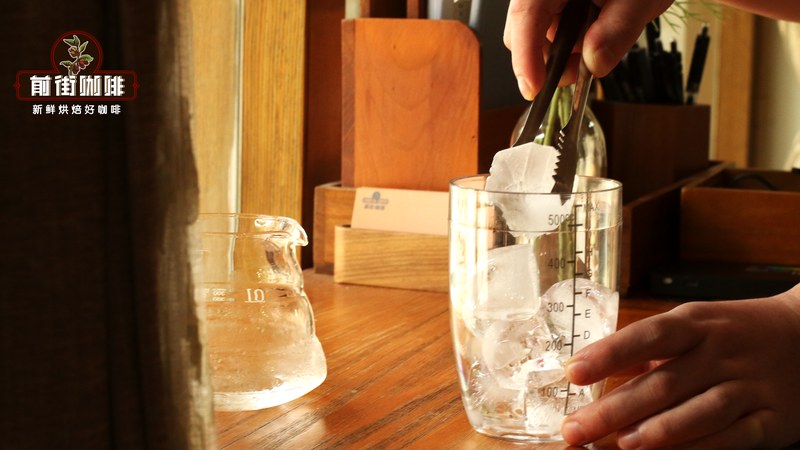
If you want espresso with vivid fruit aromatics, look at Best Coffee Strawberry Candy Coffee Beans. When the bag is opened and during the hot-cup stage, it easily brings to mind red gummy candy and ripe berries, with an overall light and lively texture. Extract 40 to 45 g of coffee liquid from 18 g of coffee to help unfold the sweet aroma; the water temperature can be set at 92 to 94°C and the time at about 27 to 32 seconds, suitable for continuing into iced Americano or coffee with little milk.
For pour-over with Strawberry Candy, use 15 g of coffee with 240 g of water, water temperature 91 to 93°C, and a grind on the medium to slightly fine side. After blooming for 30 to 40 seconds, complete the pour in two to three stages, with a total time of about 2 minutes 20 seconds to 2 minutes 50 seconds. If the entry has only bright acidity and the sweetness is short, you can tighten the grind or raise the water temperature slightly; if the fruit aromatics seem dull, you can shorten the overall contact time.
Best Coffee Brazil Queen Estate is characterized by being easy to set up with both sets of parameters. As espresso, it resembles roasted almonds with cocoa powder, and the sweetness is close to melted toffee; after filter brewing, the mouthfeel is more relaxed. For espresso, use 18 g of coffee to get 36 to 40 g of coffee liquid, water temperature 91 to 93°C and about 26 to 30 seconds; for pour-over, use 15 g of coffee with 230 to 240 g of water.
Pressure is not better the higher it is, and the pump pressure marked on the machine is not equal to the actual brewing pressure during extraction. Common recipes can be built around 8 to 9 bar, then observe whether the flow rate is even. For fruit-forward beans, if you have pressure-adjustable equipment, you can pre-infuse at 2 to 4 bar for several seconds, then slowly rise to around 8 bar to help the coffee bed absorb water fully; for darker-roasted beans, you can shorten pre-infusion to reduce dryness in the later stage.
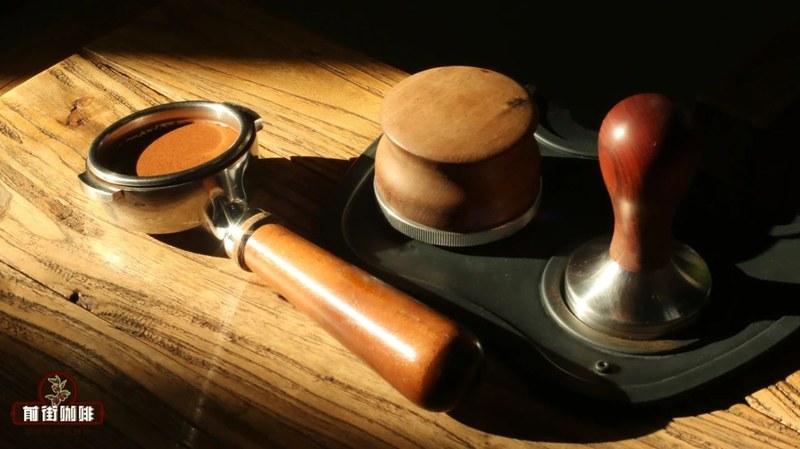
The grinder also affects the range of beans you can buy. On machines with a wide step span, adjusting one step may noticeably change the flow rate, so medium or medium-dark beans with a wider extraction space are easier to work with. An unpressurized basket paired with a grinder capable of fine adjustment can accommodate the narrower window of fruit-forward beans. When using a pressurized basket, the grind can be slightly coarser, and continuous flow rate should be the focus of observation.
Turning an ideal recipe into bean-buying conditions is more concrete than only looking at flavor words on the package: beans that still have sweetness with low-temperature short extraction are suitable for making milk coffee often; beans whose fruit aromatics remain clear after raising the water temperature and increasing the liquid weight are more suitable for Americano and pour-over. Each time you switch to a different bean, record the dose, liquid weight, time and taste on entry; after a few cups you can find its applicable range, truly connecting bean selection and brewing.
Related Reading

Comments (0)
Loading comments...
You May Be Interested



Trending Reviews
Popular Videos

With you, wherever you are! We provide useful features to help you find new things you'll love






