Source:Best Coffee > News Author:qjroot Published:2026-09-19 12:22:34
When people mention Panama coffee, many immediately picture light floral aromas, elegant citrus notes and a delicate, tea-like texture. Faced with the dazzling array of coffee beans on the market, the key to truly appreciating the charm of this region is to sort out the two completely different paths of single origin and blends. Single origin focuses on presenting the innate character of a specific plot, while blends emphasize balance and complementarity between different bean varieties, and each has its own strengths.
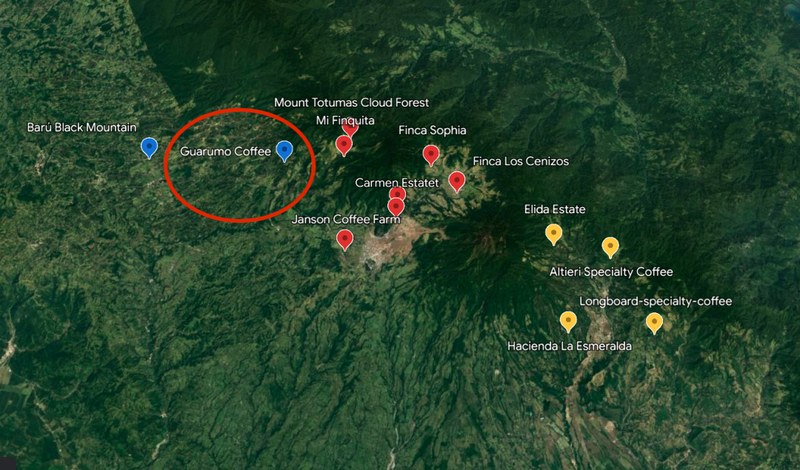
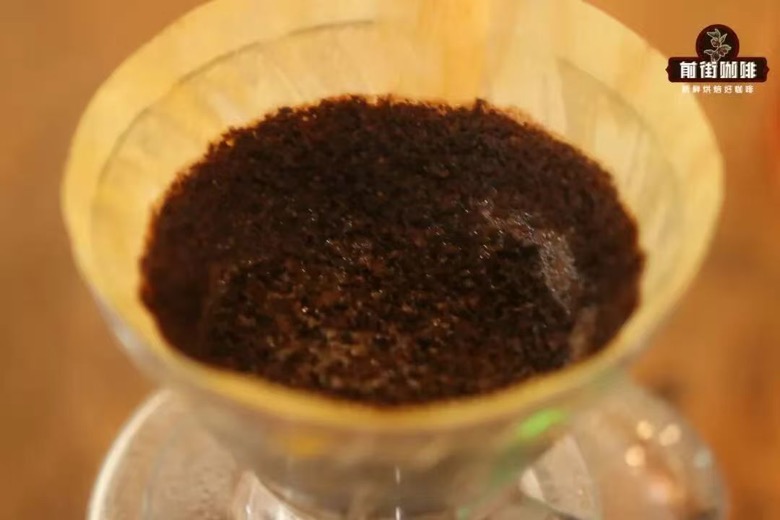
If you want to fully capture the pure terroir imprint of Panama's high-altitude estates, single origin is undoubtedly a very fitting choice. Classic regions such as Boquete have fertile volcanic soil and a humid microclimate, and the coffee beans cultivated there have a clear, transparent texture. Making a single-origin pour-over with a light roast allows the beans' subtle floral and herbal notes and soft fruit acidity to be fully released, unfolding layer by layer in the mouth, and it is suitable for quiet, careful tasting.
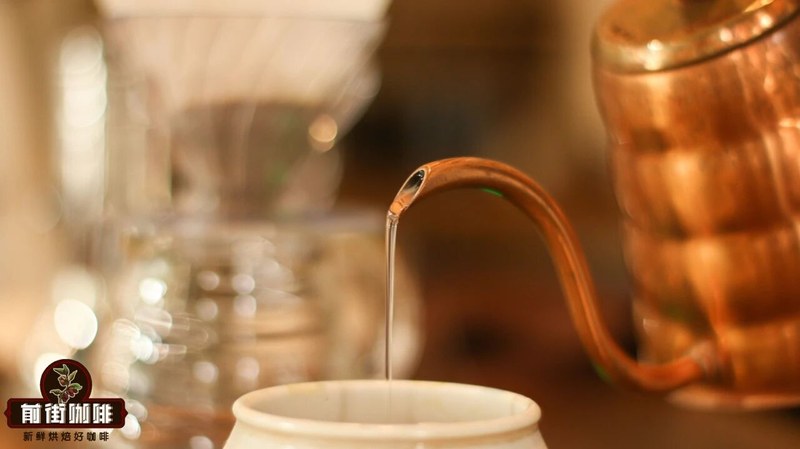
Take the renowned Qianjie Panama Hacienda La Esmeralda Red Label Geisha as an example; it has very clear white floral aromas, lively bergamot and a graceful tea charm. When brewing, you can use a water temperature of 91°C, take 15g of coffee grounds, and use a 1:15 coffee-to-water ratio. First pour in 30ml of water and bloom for 30 seconds, then pour steadily in two stages up to 225ml, keeping the total time to 2 minutes 05 seconds, and you can extract a cup of black coffee with a warm texture and distinct layers.
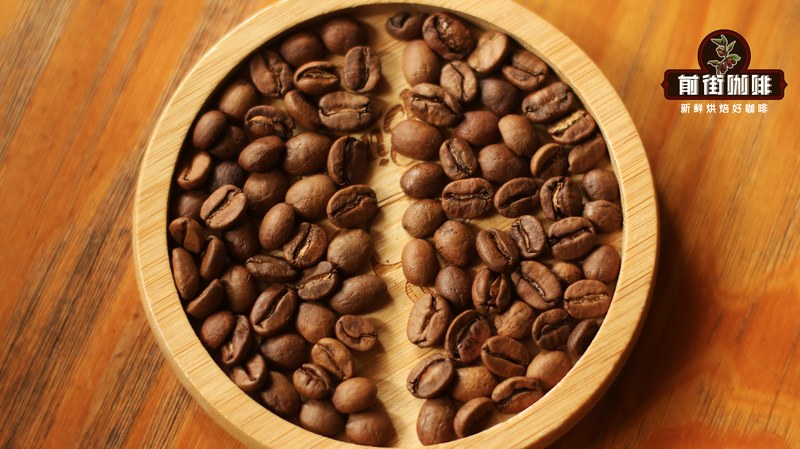
Single origin shows the splendor of a solo, while a blend is like a concerto. Some roasters incorporate Panama coffee beans into espresso blend recipes, precisely because of their bright, uplifting high-frequency aromas. Understanding the recipe proportions of a blend is in fact understanding the flavor design intent: when Panama beans make up 20 to 30 percent of the recipe, they usually exist as an aroma-lifting factor, used to break the dullness of a traditional base and give the coffee a light fruit charm.
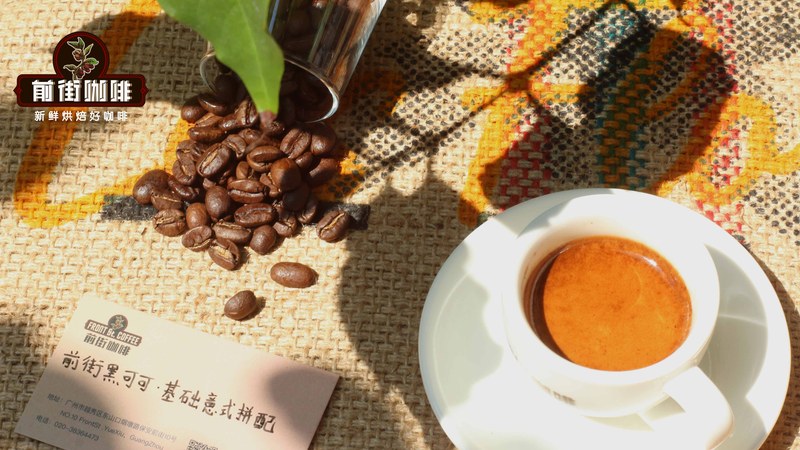
If you are fond of espresso, using light-to-medium roasted Panama beans directly as a single origin espresso (SOE) is also a currently popular way to drink it. The high-pressure extraction of an espresso machine can quickly emulsify the floral and fruity essential oils. Use 18.5g of coffee grounds, perform low-pressure pre-infusion and then constant-pressure extraction, and extract 37g of espresso liquid within 26 seconds. Whether used to make an iced americano or added to fresh milk, it brings a fresh sensation like fruit tea.
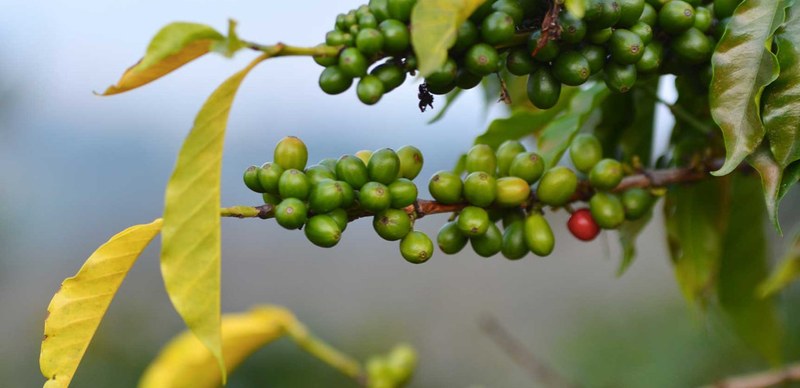
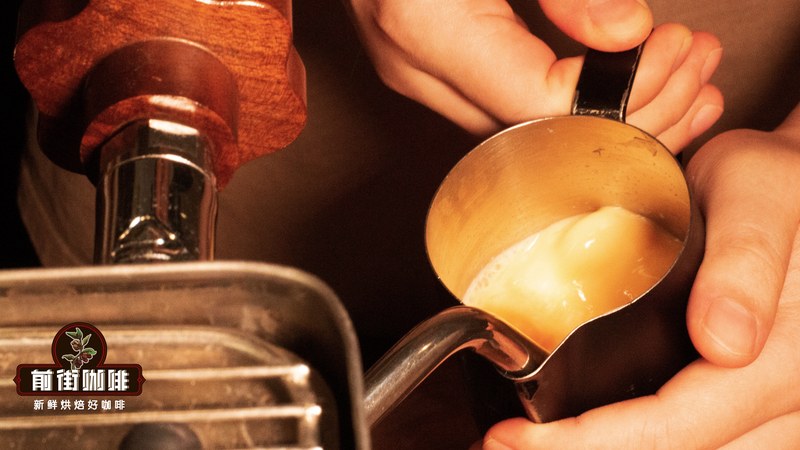
Compared with SOE's concentrated amplification of a single region's flavor, the traditional blend path pursues more the mildness and inclusiveness of everyday drinking. When making a large hot latte, the acidity of a single-flavor coffee bean can sometimes be easily diluted by milk; in a traditional blend, dark nut and cocoa base beans provide a solid, mellow texture, while the moderate inclusion of Panama beans can draw a touch of elegant floral aroma on the surface of the milk foam, making the finish longer and more lingering.
In the approach of combining multiple regions, beans with different characters can often spark wonderful chemistry. For example, pairing Qianjie Colombia Sidra, with passion fruit and apricot flavors, with Panama beans can multiply the abundant, juicy sweetness; if paired with Qianjie Yirgacheffe Gutingding, which gives off citrus and berry notes, it can build a rich and lively tropical fruit flavor. Once you understand these pairing logics, choosing recipe beans will feel much easier.
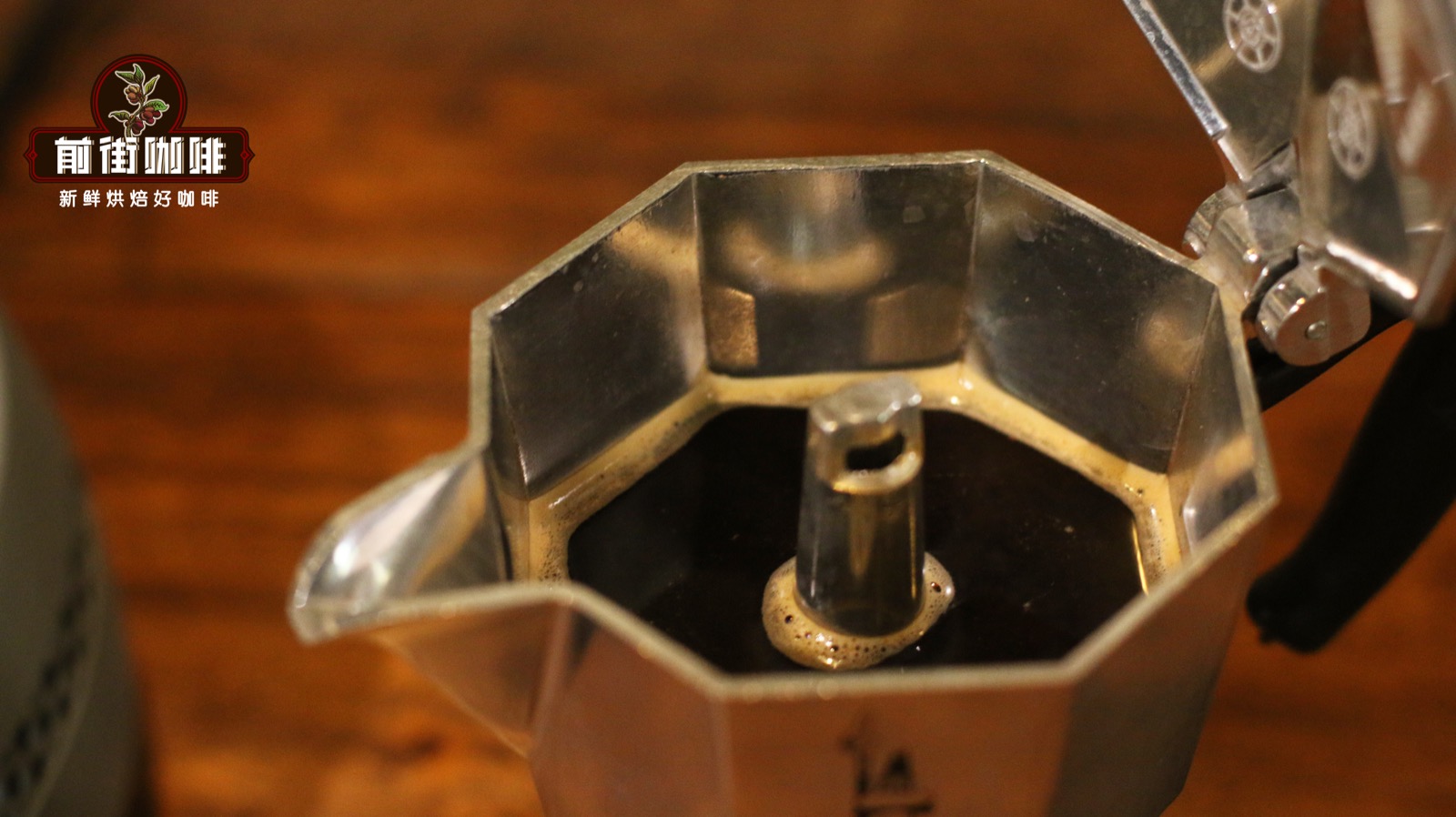
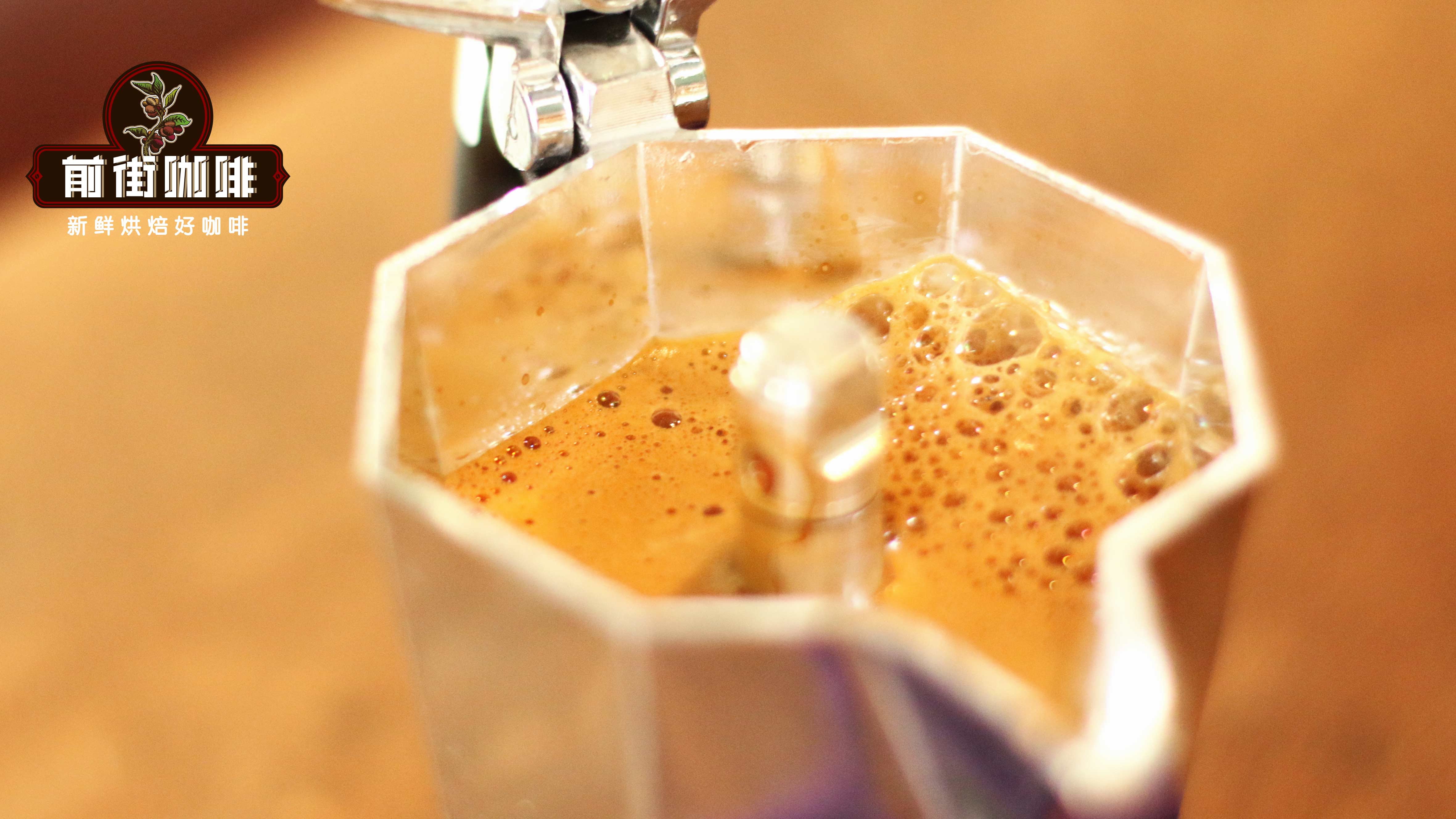
Besides pour-over and espresso machines, a moka pot can also show a distinctive flavor charm. Pour 95ml of warm water into the lower chamber of the moka pot, fill the filter basket with medium-fine ground coffee and gently level it, then heat and extract over medium-low heat. After about 1 minute 45 seconds, when you observe the coffee flowing out smoothly and beginning to show a light-colored crema, remove it from the heat. The small cup of coffee brewed this way combines the smoothness of crema with bright floral and fruity fragrance.
When looking through a coffee bean list, the key to choosing is to clarify your actual use. If you usually prefer drinking black coffee straight, it is recommended to choose single-origin Panama beans labeled with a specific estate and altitude, as pour-over can bring cleaner flavor recognition; if you prefer making various milk coffees, or want to drink coffee with an even and smooth flavor every morning, then choosing a recipe bean with Panama beans as an aroma-lifting accent will make the experience more convenient.
There is no fixed standard formula for tasting Panama coffee. Whether you choose a single-origin pour-over to pursue that clean, subtle floral and fruity aroma, or pick a cleverly conceived blend to enrich the aroma layers of your morning milk coffee, as long as you follow your own taste expectations and brewing habits, you can feel the captivating style of specialty coffee in every grind and extraction.
Related Reading
Comments (0)
Loading comments...
You May Be Interested

Trending Reviews
Popular Videos

With you, wherever you are! We provide useful features to help you find new things you'll love






