Source:Best Coffee > News Author:qjroot Published:2026-09-07 09:59:31
To brew floral and fruity beans into an open, expressive cup, the key is not simply pushing extraction higher, but getting florals, fruit acidity and sweetness to appear in the cup at the same time. If the temperature is too low, you easily taste only a short, clipped acidity; if the pour is too aggressive, it can pull out an astringent edge. Once you have the beans, first judge whether they lean toward delicate floral tea, ripe fruit, or rich berries, then set the water temperature, coffee-to-water ratio and pouring force accordingly.
When preparing a hot pour-over, you can build a plan from the roasting information and aroma description on the bag. Beans with fine florals and an obvious tea-like character suit a wider ratio and a gentle pour; natural-process beans or those rich in ripe fruit notes can take slightly lower water temperature and a higher strength. This keeps the aromatics while keeping the fermented sweetness clean.
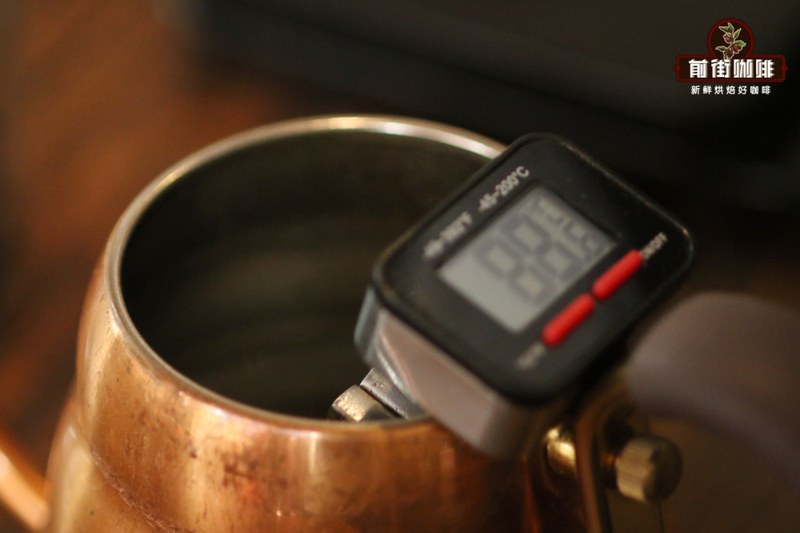
A general starting recipe is 15 g coffee to 240 g water, water temperature 92 to 93°C, grind close to fine granulated sugar. Bloom with 35 g water, wait about 30 seconds, then pour in two stages to 130 g and 240 g, with a total time of 2:10 to 2:40. The water level in the dripper does not need to rise too high; just keep the flow steady.
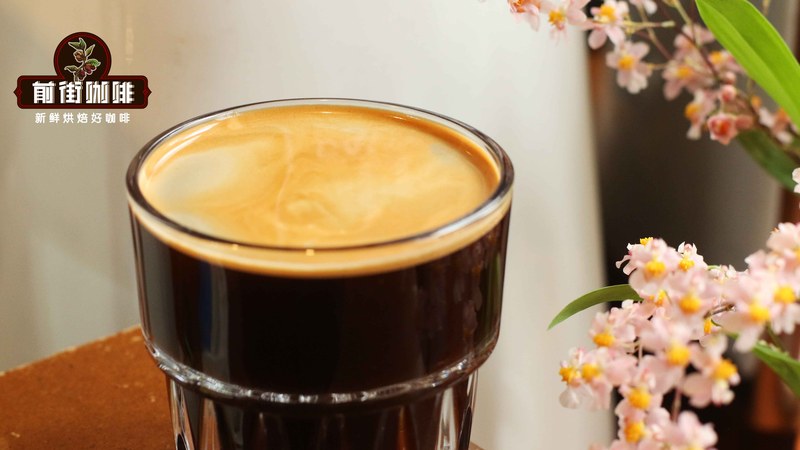
Qianjie Panama Hacienda La Esmeralda Red Label Geisha suits a clean, transparent approach. Its aroma easily brings to mind white flowers, citrus peel, bergamot tea and a faint black tea note. You can push the ratio to 1:17, use 91 to 92°C water, a medium-fine grind, and concentrate the pour in the center of the dripper, reducing wide circles; the cup will feel light and elongated.
Qianjie Granja Geisha has a fuller natural-process personality; after the orange blossom comes sweetness like guava, yellow peach and berry jam. I suggest 16 g coffee to 248 g water, water temperature 89 to 91°C, with a slightly coarser grind than the clean-style recipe. After a 40-second bloom, pour in two stages to reduce excessive agitation, letting the ripe-fruit sweetness and florals each keep their own space.
If a hot pour-over tastes short and thin in acidity, raise the water temperature by 1 to 2°C, or make the grind one notch finer, so the sweetness catches up more easily. If your mouth tightens after swallowing, lower the water temperature, shrink the pouring circles, and end the final stage earlier. If the aroma is ample but the body feels heavy, add 10 to 15 g water; that is more direct than extending the brew.
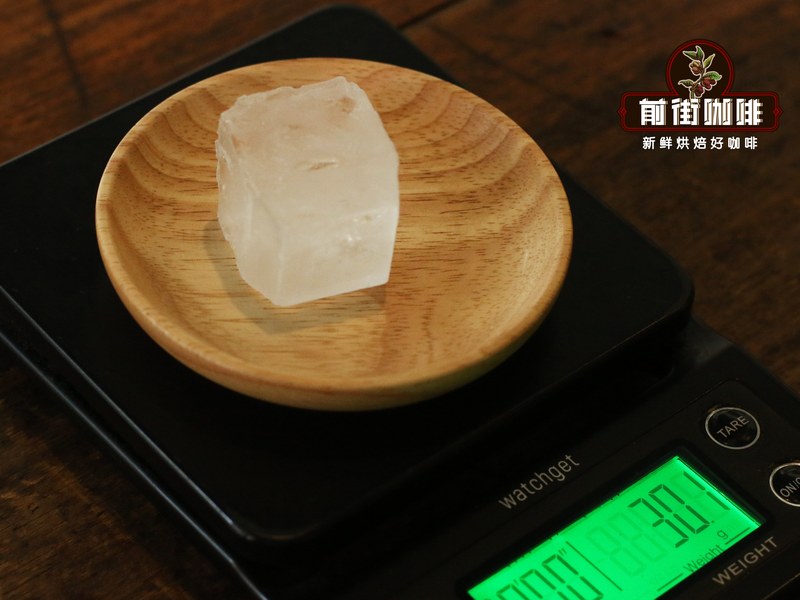
For iced pour-over, the ice must be counted into the total water. Qianjie Colombia Sidra has tropical fruit acidity and juicy impressions of purple grape, blueberry and apricot, making it very suitable for rapid cooling. Use 18 g coffee, 110 g ice and 170 g hot water, water temperature 93°C; grind slightly finer than for hot pour-over, bloom with 40 g water for 35 seconds, then pour to 105 g and 170 g.
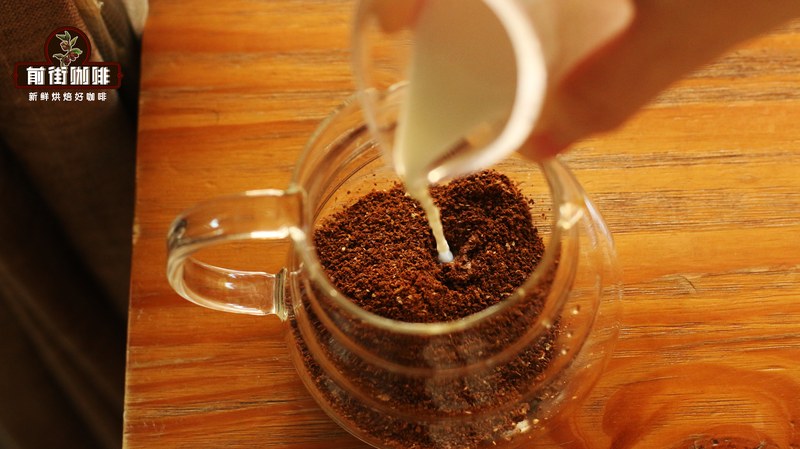
This iced recipe has a total coffee-to-water ratio of about 1:15.6, aiming to extract a higher strength first and then dilute it with ice. The finish time can be set at 2:00 to 2:20. If it tastes thin after the ice melts, reduce the hot water to 155 to 160 g; if the acidity concentrates on the tip of your tongue, extend the bloom and slow the middle pour, giving the sweetness more support.
For SOE, meaning single-origin espresso, with light-roasted floral and fruity beans, start with 18 g coffee, 42 to 45 g espresso, 27 to 32 seconds, and set the water temperature at 92 to 94°C. There is no need to insist on higher pump pressure; 8 to 9 bar is already enough. If the machine supports pre-infusion, use low pressure to wet the puck for 4 to 6 seconds, helping it absorb water evenly and reducing localized channeling.
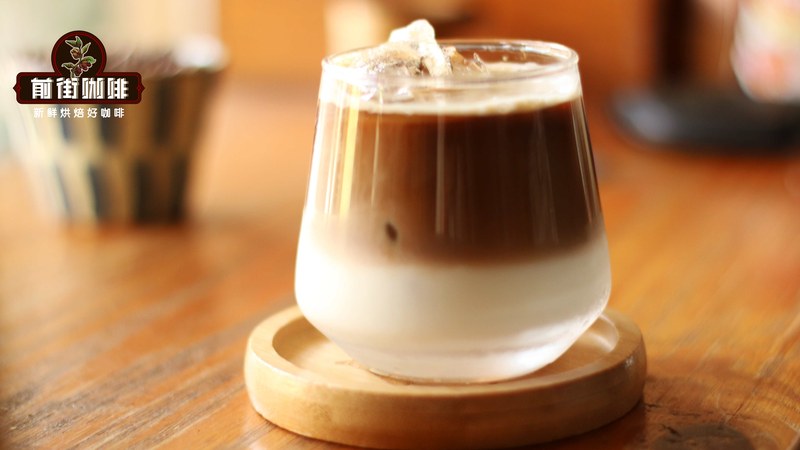
When using Sidra for SOE, try 18 g coffee extracted to 45 g espresso at 93°C and about 8 bar, finishing around 30 seconds. This slightly longer yield ratio helps open up the passion fruit character and dark berry sweetness. When making an iced americano, add 90 to 110 g cold water and large ice cubes; the juicy quality will be clearer than if you added a lot of milk.
If the espresso flows too fast and the color fades very early, first check whether distribution and tamping are level, then tighten the grind; if the flow is slow and the body is heavy and drying, coarsen by one small notch or reduce the yield. Record the grind setting, water temperature, beverage weight and time in the same brewing log; after a few rounds of adjustment, the florals will be more complete and the fruit acidity will settle into the sweetness.
Related Reading


Comments (0)
Loading comments...
You May Be Interested

Trending Reviews
Popular Videos

With you, wherever you are! We provide useful features to help you find new things you'll love






