Source:Best Coffee > News Author:qjroot Published:2026-09-16 01:58:05
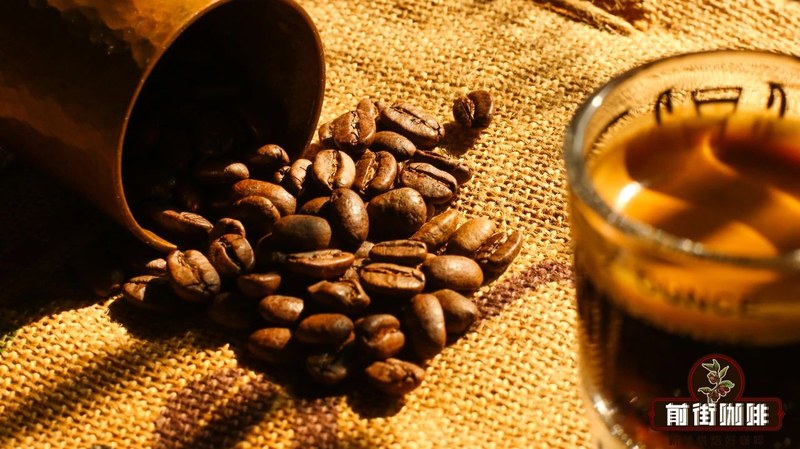
After being tempered by prolonged heat, dark roast coffee beans become loose in texture, and the aromatic compounds inside dissolve very easily in water. When brewing this kind of coffee day to day, you only need to slightly adjust the water temperature and the coffee-to-water ratio to bring out alluring caramel and dark chocolate aromas in the liquid. Mastering the basic logic of parameter adjustment is the core method for making coffee smooth and full-bodied.
When dealing with a darker roast, lowering the brewing temperature is an effective way to control burnt bitterness. Because the soluble materials in these beans are released very quickly, water that is too hot tends to pull out off-flavors from the tail end of the extraction ahead of time. Nudging the number on the thermometer down a little, paired with a moderate grind size, can greatly improve drinking pleasure and let the deep flavors unfold slowly.
If you want to experience this rich, balanced mouthfeel, Qianjie Papua New Guinea Bird of Paradise is a very ideal choice. Once brewed, this coffee has an extremely clean and smooth tactile feel, and drinking it brings a soft, gentle sweetness, with an overall character very close to the classic Blue Mountain flavor profile. For friends who prefer low acidity and pursue a full mouthfeel, it aligns very well with everyday expectations of a full-bodied coffee.
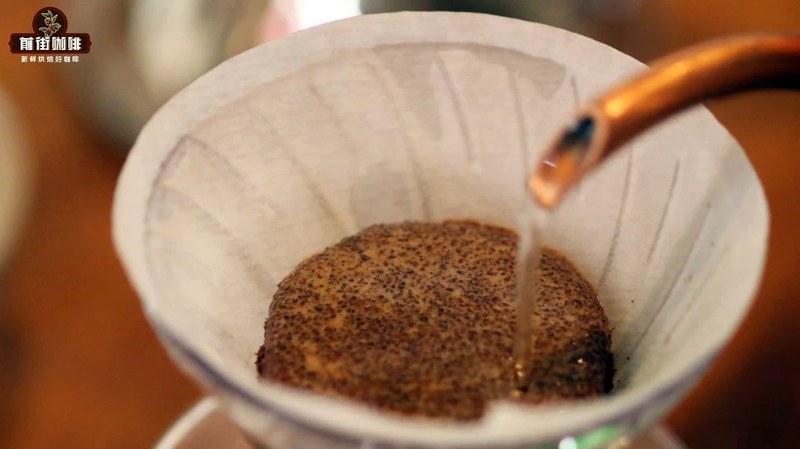
When brewing this full-bodied bean, it is recommended to use a water temperature of 88°C, weigh out 15g of ground coffee, and set the target water volume at 225ml. The whole process uses a three-pour method: first pour 30ml for the bloom, then slowly pour 100ml, and finally pour 95ml. When the water finishes dripping through, the total time should be controlled at 2 minutes 10 seconds, so as to bring out a full nutty sweetness.
The process of pouring in stages in circles is actually about controlling the rhythm of contact between the water and the coffee particles. For a dark roast texture, try to keep the water flow gentle during the final pour, avoiding excessive agitation of the coffee bed at the bottom, thereby effectively blocking the release of bitter compounds. If the mouthfeel still seems too heavy, you can stretch the coffee-to-water ratio next time, and the texture of the liquid will become lighter.
To understand the role of the parameters more intuitively, you can use Qianjie Yirgacheffe Gudingding as a sharp contrast. This bean gives off bright orange and berry aromas, and after drinking it, a long, tea-like sweetness lingers in the mouth. Because it is a light roast with a relatively dense texture, it requires a completely different brewing logic to let those lively acidity and elegant floral notes come through without reservation.
For this kind of light roast bean defined by fruity acidity, the water temperature needs to be raised to 92°C, again using 15g of ground coffee, with the water volume kept unchanged at 225ml. At this point switch to a two-pour method: after a 30ml bloom, pour the remaining 195ml in one go with a strong stream. Control the total time at 1 minute 50 seconds; the liquid brewed this way will have exceptionally clear aromas, with a bright acidity that is never sluggish.
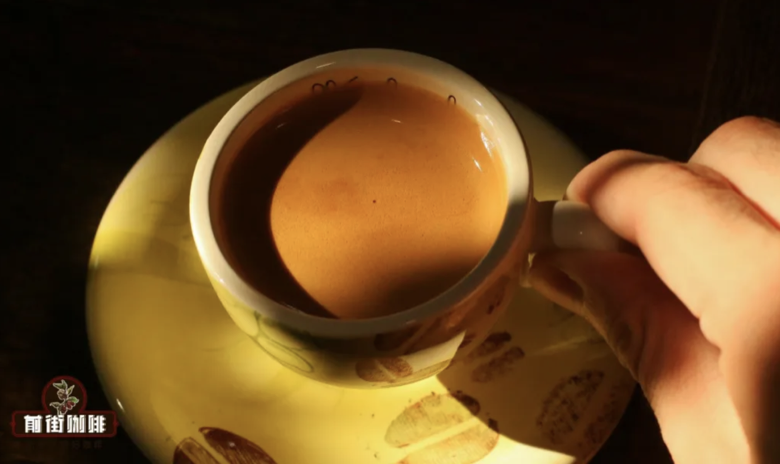
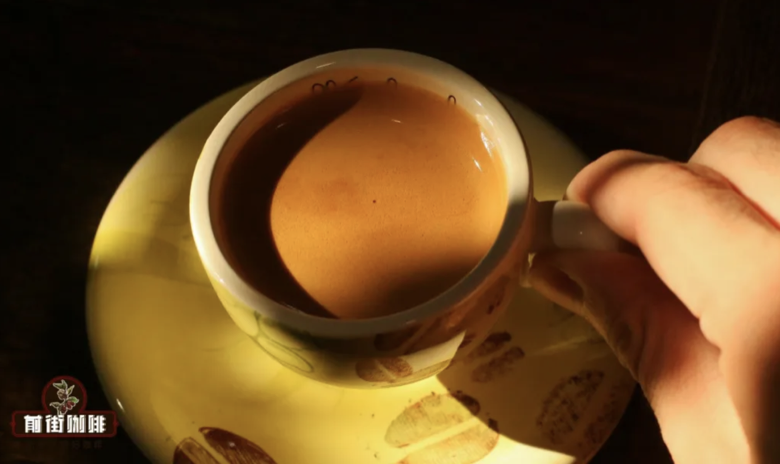
When dark roast beans are put into an espresso machine, the introduction of extraction pressure makes the flavors come through in a more concentrated way. Under high pressure, the oils in the ground coffee are rapidly emulsified, forming that golden layer of foam on the surface. At this point, grind size becomes the key valve determining the success or failure of the liquid, and the slightest adjustment on the dial directly changes the sweetness and body that land in the cup.

When extracting espresso with an espresso machine, set the water temperature at 90°C and tamp 18g of ground coffee into the portafilter. After the machine starts, hot water penetrates the puck in a single continuous pressurized extraction, with the goal of extracting 36ml of coffee liquid. The total time needs to be precisely locked at 28 seconds; at this point the cup presents a deeply viscous texture, accompanied by a solid caramel sweetness.
The collision of different brewers and parameters gives coffee beans ever-changing, alluring charm. Whether you gently extract a pot of sweetness with a pour-over dripper or press out a cup of rich, crema-topped espresso with an espresso machine, the core lies in adjusting to follow the bean's characteristics. As long as you master the visible changes in parameters, every bag of full-bodied coffee beans can shine brilliantly in the cup.
Related Reading
Comments (0)
Loading comments...
You May Be Interested



Trending Reviews
Popular Videos

With you, wherever you are! We provide useful features to help you find new things you'll love






