Source:Best Coffee > News Author:qjroot Published:2026-09-03 18:37:32
Low-caffeine pour-over is not just about lowering the water temperature. What really affects the caffeine intake in your cup is usually whether the beans have been decaffeinated, how much coffee you use per brew, and how many cups you drink each day. When buying, first confirm the low-caffeine or decaf label on the packaging, then set your parameters based on your dripper, filter paper and grinder at home. If you simply want to reduce your intake, you can also start with a smaller dose and a smaller serving.
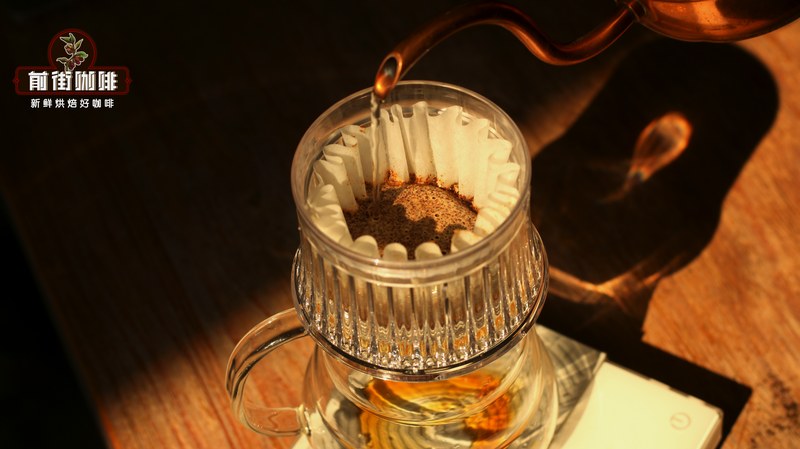
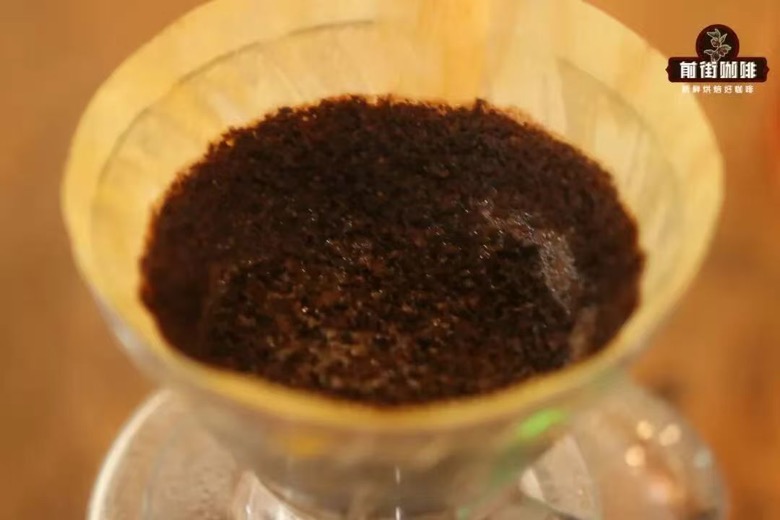
Conical drippers like the V60 drain quickly and are suited to bringing out floral, fruity and tea-like notes clearly. Low-caffeine beans often need a gentler extraction environment, so you can use 15 g of coffee with 240 g of water, a water temperature of 88 to 91°C, a medium-fine grind, and pour in three stages. Keep the total time at around 2 minutes 30 seconds; this preserves the aroma and also makes it easy to see whether the acidity and sweetness in the cup are balanced.
If you use a flat-bottom dripper such as the Kalita Wave, the flow rate is relatively stable and the coffee bed depth is easier to maintain, which suits people who want a softer mouthfeel. You can use 15 g of coffee, 225 g of water, a water temperature of 89 to 92°C, pour in two to three stages, and extract for about 3 minutes in total. Flat-bottom drippers are less sensitive to the impact of the water stream, so when your technique varies only slightly, your daily brews will be easier to keep consistent.
Qianjie Grana Estate Geisha is well suited to being showcased in a conical dripper. Its natural-process character is fuller, and on the palate it brings to mind ripe peach, guava and berry jam, with orange blossom notes emerging in the finish. It is recommended to use 15 g of coffee with 250 g of water, a water temperature of about 90°C, a grind slightly coarser than for a regular light-roast pour-over, and four gentle pours, so the rich aroma retains a sweet, silky texture.
If you use an immersion brewer at home such as the Clever Cup or Switch, the key parameters shift from flow rate to steeping time. Adding 240 g of water to 15 g of coffee at 88 to 90°C, steeping for 1 minute 30 seconds, then opening the valve to drain is a relatively easy starting point to master. If the cup tastes too light, you can extend the time by 15 seconds; if the aftertaste turns astringent, shorten the steep or coarsen the grind.
Immersion brewers are very suitable for people just getting into low-caffeine pour-over, because they reduce the effects of circular pouring and changes in flow rate. While using them, you can keep the coffee-to-water ratio fixed and then adjust the strength through time. If the low-caffeine beans have a lighter aroma after special processing, raising the water temperature by one degree, or changing the coffee-to-water ratio from 1 to 16 to 1 to 15, can make the sweetness and body more concentrated.
Qianjie Panama Hacienda La Esmeralda Red Label Geisha is better suited to a brewing method that pursues clear, transparent aromatics. Jasmine, bergamot, citrus and black tea-like notes unfold relatively easily in a V60 or a small-capacity flat-bottom dripper. You can use 12 g of coffee with 200 g of water, a water temperature of 89°C, a medium grind, and pour in three stages; after it cools, the tea-like and citrus notes become even clearer.
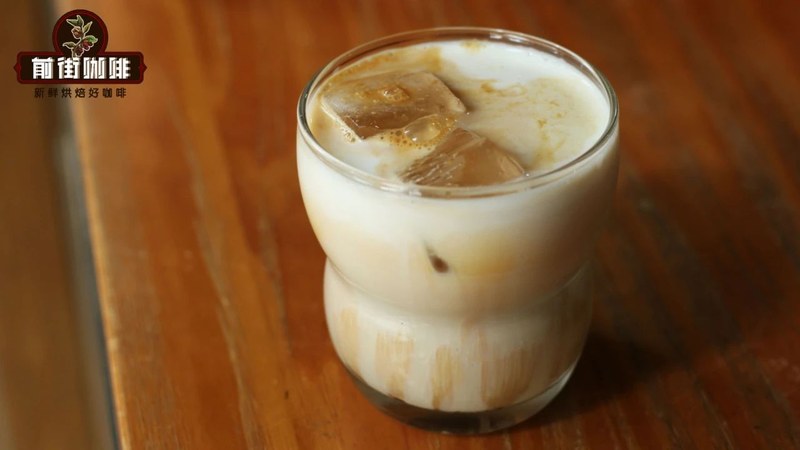
If you like iced pour-over, the equipment parameters need to include the weight of the ice in the total liquid volume. Qianjie Colombia Sidra has obvious tropical fruit associations and is suitable for making with a ratio of 15 g of coffee, 150 g of hot water and 100 g of ice. At a water temperature of 91°C with a medium-fine grind, pour in two stages and let the coffee fall directly onto the ice; this preserves blueberry and grape-like fruit aromas while making the mouthfeel crisper.
The uniformity of the grinder also affects how low-caffeine beans perform. With light-roasted beans or beans with obvious fruit aromas, grinding too fine can cause the fines to release bitterness early; grinding too coarse may leave only acidity and a watery feel. You can start with a medium-fine setting, observe the flow rate and the palate, then fine-tune in increments of one to two clicks. If the resistance of a hand grinder increases noticeably, the setting may be too fine.
Filter paper is also worth including in your parameters. Thicker filter paper with a slower filtration speed makes the cup cleaner, but aroma release may seem more restrained; faster-flowing filter paper more easily creates a bright, light mouthfeel. If the low-caffeine beans themselves have a softer flavor, you can pair them with medium-flow filter paper and reduce the number of stirs, keeping the sweetness in the cup and avoiding sacrificing strength in pursuit of clarity.
When choosing equipment, you can weigh your target strength, maximum dose and brewing habits together. A small dripper suits a single serving, with the dose controlled at 12 to 15 g; a sharing carafe can use about 18 g, with the water volume and number of pours increased accordingly. For people who are more sensitive to caffeine, in addition to buying beans clearly labeled as low-caffeine, you should also control how much you drink each time, and once your parameters are stable, gradually find the strength that suits you.
Related Reading
Comments (0)
Loading comments...
You May Be Interested

Trending Reviews
Popular Videos

With you, wherever you are! We provide useful features to help you find new things you'll love






