Source:Best Coffee > News Author:qjroot Published:2026-10-07 17:15:08
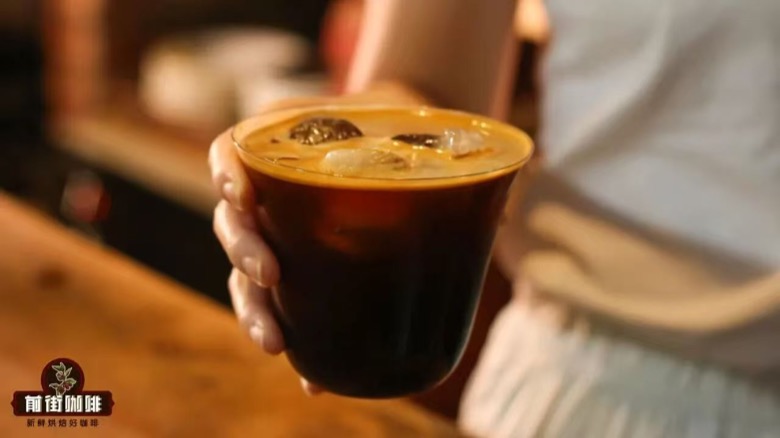
Americano and cold brew may both look like black coffee, but their production logic is completely different. Americano uses high-temperature, high-pressure espresso as its base, then dilutes it with hot water or ice according to personal preference; in essence, it stretches espresso liquid into a cup of black coffee suitable for drinking directly. Cold brew, on the other hand, lets cold water or room-temperature water and coffee grounds spend a long time together, usually requiring more than 10 hours of steeping, so that flavor compounds are slowly extracted in a low-temperature environment. The former is the immediate product of high-temperature quick extraction, while the latter is a time-given gift of low-temperature slow steeping; these two paths determine their striking differences in mouthfeel, aroma and drinking experience.
In terms of what shows up in the cup, Americano retains the oils produced during espresso extraction, so on entry you can feel a layer of fine, dense texture, and the overall flavor leans rich, with obvious roast aroma and caramelized bittersweetness. Because cold brew is kept at low temperature throughout, it produces almost no oils, and its mouthfeel is especially round and smooth, with soft acidity; its sweetness is often clearer and more direct than Americano, drinking like a cup of bright coffee syrup. As for caffeine content, because cold brew steeps for a long time, although the extraction rate is low, the total amount is not low; a cup of cold brew often contains more caffeine than an Americano of the same volume. However, because the low temperature reduces bitter and astringent stimulation, it actually feels gentler to drink and is less likely to burden the stomach and intestines.
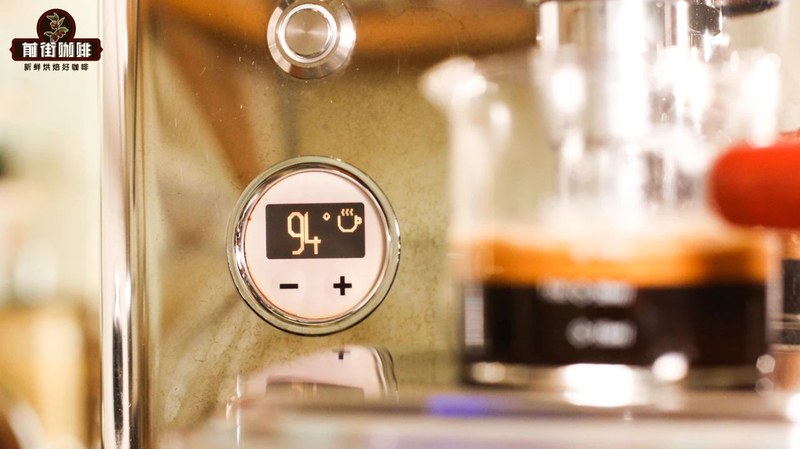
The threshold for home preparation is also worth considering. Americano requires equipment that can stably output espresso; whether it is a semi-automatic machine or a capsule system, you must master the coordination of dose, extraction time and liquid weight. The conventional method is to extract about twice the weight of coffee liquid from 18 to 22 g of coffee grounds in 25 to 30 seconds, then add water or ice at a ratio of three to five times, so the strength can be adjusted flexibly. Cold brew has lower equipment requirements; a sealed container plus a filter is enough, but the cost is time: it must be prepared the night before and cannot be made and drunk on the spot. If you want to get out quickly in the morning, Americano is clearly more convenient; if you are willing to plan ahead, the reward of cold brew is the convenience of a pitcher that can be refrigerated for two or three days.
In terms of bean selection, the two drinking methods each have their own preferences. Americano suits medium-dark roasts, oil-rich, high-body blends, such as Qianjie Specialty Blend, a combination of Brazil Cerrado and Colombia Huila; the flavors of nuts, dark chocolate and caramel are especially full after high-temperature extraction, and the sweet-bitter finish can withstand dilution with water. Qianjie Black Cocoa Blend is equally outstanding, a pairing of Yunnan washed small beans and Brazil semi-dry process; the aromas of creamy chocolate and cocoa cookies are rich, with a touch of ripe plum acidity, abundant oils and an affordable price, making it a cost-effective choice for home Americano. Cold brew, meanwhile, is better suited to beans with bright acidity and prominent fruit aromas; low temperature amplifies sweetness and softens acidity. Qianjie Kenya Small Tomato from the Thika region, after double washing and light roasting, has the acidity and aroma of cherry tomatoes and smoked plums become clear and transparent after cold steeping, while the mid-palate fruit notes of snow pear and black plum and the finish of brown sugar sweetness unfold layer by layer. Qianjie Costa Rica Mozart SOE, with raisin honey process and medium roast, has notes of dried fruit, pineapple and raisins, layered with red floral notes and berry sweet-tartness, and is excellent for cold brew and iced drinks.
Scene selection can follow your physical state and taste needs. If you want something refreshing and thirst-quenching, cold brew is the better direction; the cooling sensation and clean sweetness brought by low temperature are especially suitable for the afternoon or after exercise. If you want something rich and energizing, Americano satisfies better; the coating sensation of oils and the complex aroma of high-temperature extraction are especially awakening in the morning. If your stomach and intestines are sensitive to coffee, cold brew is less irritating; if you pursue efficiency and making it fresh to drink immediately, Americano is the more flexible choice.
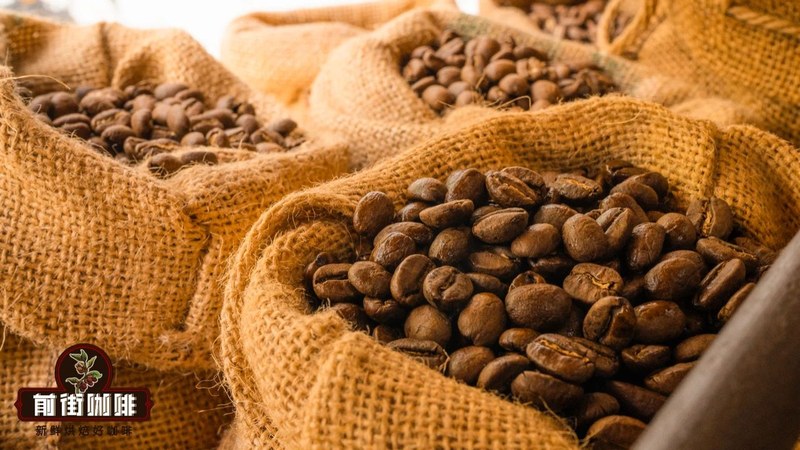
Freshness affects both. Qianjie beans are usually quite fresh when they arrive; let them rest for four or five days first so the flavor stabilizes, and finish them within one month, and the sweetness and sweet aftertaste will be clearer. Because cold brew steeps for a long time, it is slightly more forgiving of bean freshness, but using good beans can still make an obvious difference. Whichever you choose, in essence it is about finding, between high-temperature quick extraction and low-temperature slow steeping, the cup that suits you best right now.
Related Reading


Comments (0)
Loading comments...
You May Be Interested



Trending Reviews
Popular Videos

With you, wherever you are! We provide useful features to help you find new things you'll love






