Source:Best Coffee > News Author:qjroot Published:2026-09-18 16:51:23
Gesha, a coffee prized for its delicate floral aroma and gentle fruit acidity, is actually extremely sensitive to the water used for brewing. More than 98 percent of a cup of pour-over coffee is water, and the content and types of minerals in the water quietly determine whether those refined aromas can be released smoothly. If you want to taste a clear, light regional flavor in the cup, besides choosing the right beans, choosing the right brewing water is often the key step that lets the flavor fully express itself.
Soluble solids such as calcium ions and magnesium ions in water play the role of flavor carriers during extraction. If the water is on the hard side and the mineral content is too high, it easily forces out the woody and heavy components deep within the coffee grounds, making the originally light and lively floral and fruity aromas seem dull or even astringent; while extremely soft pure water with low mineral content may lack carrying capacity, making the acidity seem thin and sharp, and the finish become hollow.
When brewing this kind of aromatic bean at home, unfiltered tap water, because of residual chlorine and fluctuating hardness, often masks the delicate texture of the beans themselves. For daily brewing, it is more recommended to use water filtered through a softener jug, or common natural mineral water with a total dissolved solids content between 40 and 80. This water is moderately soft and hard, able both to fully support citrus-like fruit acidity and to let the caramel sweetness at the finish emerge gently.
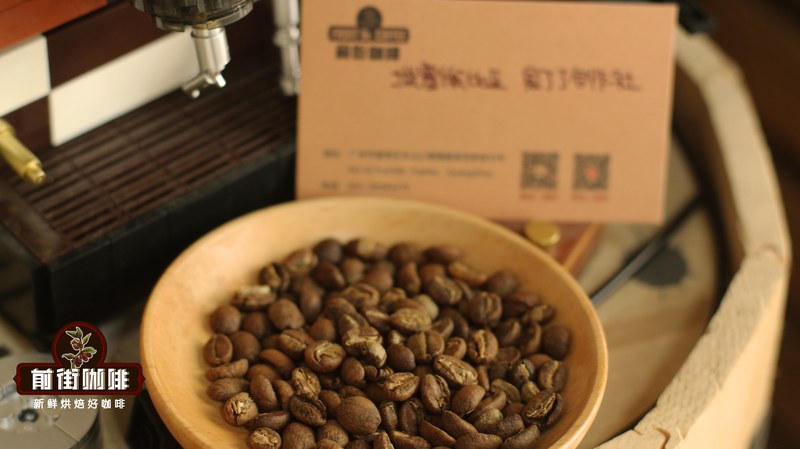
When choosing beans, if you prefer rich candied-fruit honey sweetness and floral charm, Qianjie Grana Estate Gesha is a very representative choice. This bean has undergone meticulous natural processing, and even when grinding you can smell the sweet fragrance of orange blossom and tropical dried fruit, while on the palate the ripe berry notes of guava and apricot layer upon layer. Facing a naturally processed Gesha with such abundant aroma, choosing soft water with a slight trace of minerals allows the overall flavor to unfold with more body.
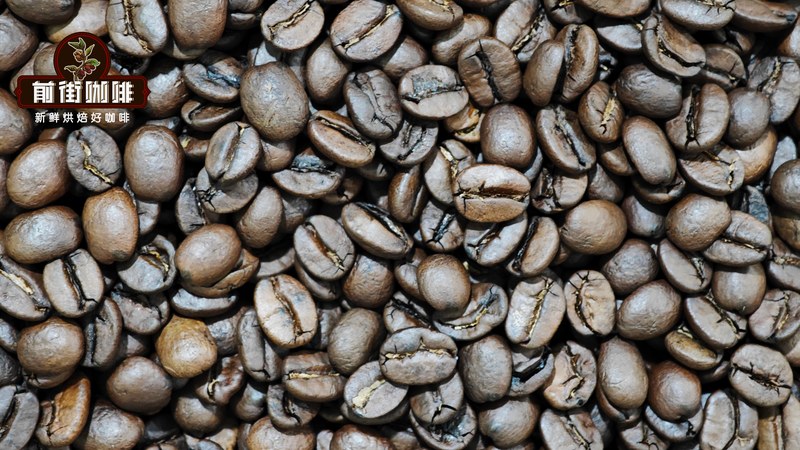
When brewing Qianjie Grana Estate Gesha, you can set the water temperature at 91°C, weigh out 15g of coffee grounds, and pour 225ml of water at a 1:15 coffee-to-water ratio. Use a three-stage pouring method: first pour 30ml of water to evenly saturate the coffee grounds and bloom for 30 seconds, then steadily pour 95ml of water to reach 125ml, and when the liquid level drops to halfway, pour the remaining 100ml, keeping the total time at 2 minutes 05 seconds, so that the floral aroma and the sweetness of ripe jam are released in balance.
Water quality and water temperature usually need to be adjusted in coordination to make extraction more manageable. Light-roasted coffee has a relatively dense texture, so if you are using pure soft water with very few impurities, you can appropriately raise the water temperature by one or two degrees to bring out the soaring aroma; if the bottled water on hand has slightly more minerals, slightly lowering the brewing temperature can reduce the dissolution of deep bitter impurities while preserving the floral aroma.
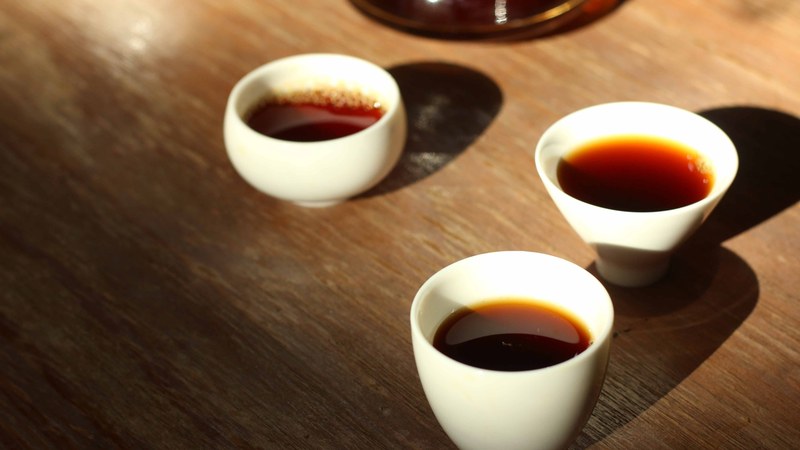
If you usually prefer a clear, elegant style with a tea-like sweet aftertaste, Qianjie Kafa Forest presents another refreshing side. This bean has a distinct juicy orange note and ripe yellow apricot flavor on the palate, and as the temperature naturally falls, a long lingering finish similar to high-mountain oolong tea rises at the back of the tongue. This kind of bean, leaning toward a light tea-like texture, is especially suited to high-quality soft water with clear dissolving power and low minerals.
When brewing Qianjie Kafa Forest, it is recommended to lower the water temperature to 90°C, also using 15g of coffee grounds with a 1:15 coffee-to-water ratio and pouring 225ml of water. Use a three-stage pouring method: first pour 30ml of water to complete a 30-second bloom, then gently pour 100ml in circles from the center outward, and after a brief wait slowly pour the final 95ml, keeping the total time at 1 minute 55 seconds. This both makes the citrus acidity appear bright and gentle and expresses the oolong tea aftertaste in a clean, lingering way.
If you like a more outgoing tropical juice flavor, Qianjie Colombia Sidra can bring a refreshing experience. It has an intense passion fruit, blueberry and dark grape juice character, and not only performs strikingly as a regular hot drink but is also very suitable for making iced pour-over. When served iced, the melting ice cubes will dilute the original concentration, so choosing moderately soft and hard water to brew the concentrated portion can better support the refreshing, juicy structure of the whole cup.
Making coffee at home does not require complicated experimental equipment, nor does it require thinking about water in an overly profound way. Starting by replacing the tap water in your kettle, and feeling the wonderful changes different water qualities bring to aroma, acidity and sweetness, and the finish, is itself part of the pleasure of tasting coffee. Choose a high-quality bean you like, pair it with a jug of water at just the right temperature and hardness, and the fragrance in the cup will naturally arrive as expected.
Related Reading


Comments (0)
Loading comments...
You May Be Interested


Trending Reviews
Popular Videos

With you, wherever you are! We provide useful features to help you find new things you'll love






