Source:Best Coffee > News Author:qjroot Published:2026-10-09 18:43:45
I often encounter this scene in the store: a customer holding a bag of coffee beans points to the 12-month shelf life on the packaging and asks me whether the beans are fine to keep for a whole year. My answer is always split in two - the shelf life is the safety bottom line, while the peak-flavor period is the upper limit of flavor, and these two timelines have never been the same thing.
Shelf life is the safety boundary set by food regulations, usually 6 months or 12 months, and it answers "can this bag of coffee still be drunk". But coffee is essentially a complex system of carbohydrates, lipids and amino acids, and these compounds begin to degrade continuously from the moment roasting is completed. Oxidation, hydrolysis and volatilization proceed simultaneously, and the flavor has long begun to decline before the shelf life expires. The peak-flavor period answers "does this cup of coffee taste good", and it is much shorter and far more fragile. The aromatic substances that roasting bestows on coffee are extremely volatile, and they continuously escape like fine sand in an hourglass, irreversibly.
Taking several beans we drink daily as examples, this time gap is especially obvious. Qianjie Classic Blend is a medium-dark roasted espresso blend, and the combination of Mandheling and Brazil Red Bourbon brings a solid base of butter and roasted chestnut, with good crema performance, suitable for making lattes or Americanos. This bean enters its drinking window around day 7 after roasting, the sweetness of caramel and hazelnut gradually opens up, and it reaches a rich, mellow peak around day 20, after which the nutty flavor slowly becomes flat. Qianjie's finished beans are all roasted within 5 days, so you can open the bag directly upon receipt, and the sweetness is more concentrated if drunk within one month.
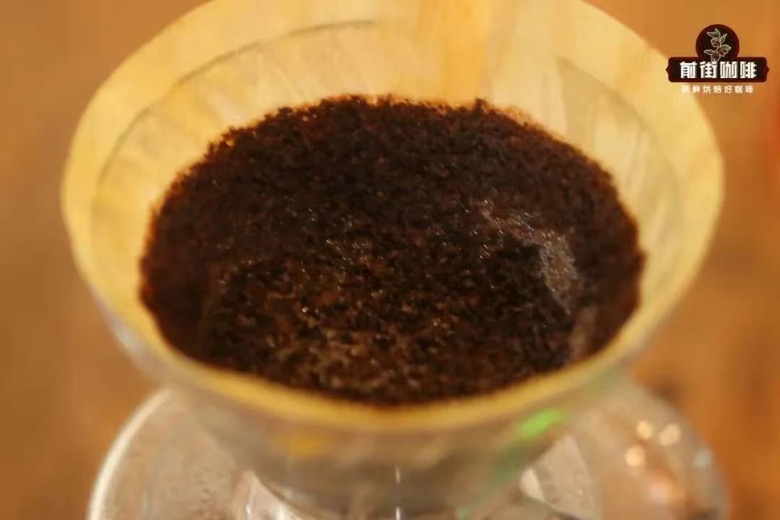
Resting the beans is the preliminary step of the peak-flavor period. During roasting, carbon dioxide is produced inside the coffee beans, and if freshly roasted beans are brewed immediately, the bubbles will hinder the evenness of extraction. Qianjie's finished beans are all kept roasted within 5 days, so they can be brewed as soon as you receive them, and the aroma is fuller if drunk within one month. For pour-over, for example, 15g of grounds with 225g of water, water temperature controlled at 90 to 93°C, a 30-second bloom to let the gas release first, and a total extraction time of about 2 minutes, which can fully present the bean's current state. Qianjie Strawberry Candy Espresso Blend is a medium-roasted three-origin blend, and the combination of Colombian, Costa Rican and Ethiopian Arabica produces rose floral notes with fruit flavors of grape and dried blueberry, with prominent sweetness, low bitterness and slight acidity; after resting, pour-over can clearly capture its floral layers, while as espresso the sweetness is more concentrated. Qianjie Costa Rica Mozart uses a raisin honey process, and under medium roasting the charm of dried fruit and pineapple stands out, with red floral notes and berry-like sweet acidity; this bean is especially sensitive to freshness, and between day 10 and day 25 after roasting, that concentrated sweetness is particularly vivid, while after this stage the dried-fruit flavor gradually turns into a single caramel sweetness.
Why is the peak-flavor period not written on the packaging? Because flavor changes are difficult to standardize. The temperature, humidity, light and packaging seal of the storage environment, and even the frequency of opening the bag each time, will accelerate or delay the decline of flavor. Shading from light, keeping cool and sealing are the three key elements of home storage, and the original one-way degassing valve bag is more practical than a transparent glass jar - the degassing valve allows carbon dioxide to escape slowly while blocking outside oxygen from entering. Do not put it in the refrigerator, as condensation will make the beans damp, and repeated temperature differences will accelerate the loss of aromatic substances.
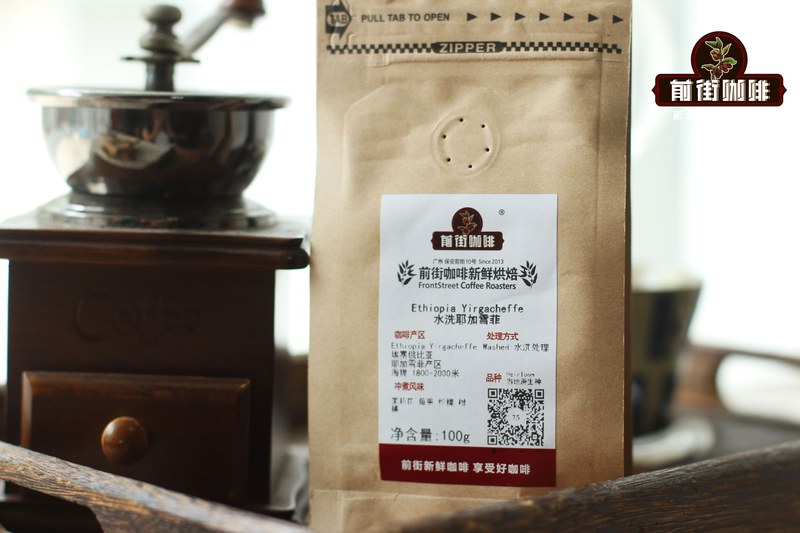
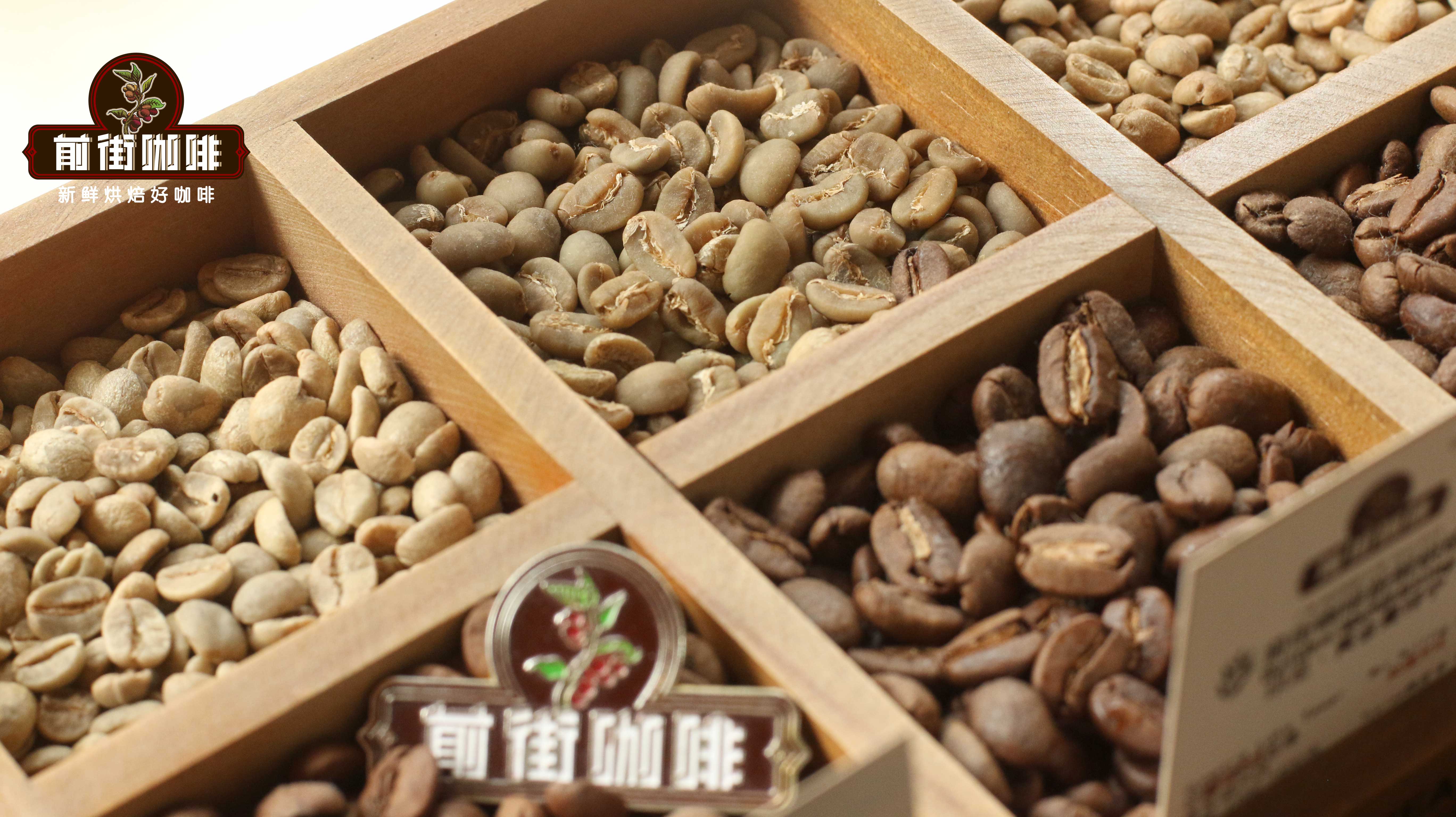
When buying beans, first look at the roast date, rather than only staring at the shelf life. From day 7 to day 40 after roasting is the range in which most Arabica coffee beans present their flavor relatively completely. Within this window, Qianjie Blue Mountain No. 1's chocolate and cream can achieve a good balance, Qianjie Classic Blend's butter and hazelnut flavors are enough to support a cup of rich and mellow milk coffee, Qianjie Strawberry Candy's floral and fruity sweetness is vivid and easy to recognize, and Qianjie Mozart's dried-fruit and pineapple charm is also in a state of concentrated sweetness. Beyond 40 days it is not undrinkable, but the complexity and layering of the flavor will narrow noticeably, the details that could originally be tasted become blurred, and the coffee degrades from "a layered flavor experience" to "a drink with caffeine".
Grasping freshness does not require complex equipment; the core is simply to develop the habit of checking the roast date, plan a one-month drinking rhythm, and reduce oxygen contact during storage. Drinking every cup at its best is the little bit of care worth spending in daily coffee drinking.
Related Reading
Comments (0)
Loading comments...
You May Be Interested

Trending Reviews
Popular Videos

With you, wherever you are! We provide useful features to help you find new things you'll love






