Source:Best Coffee > News Author:qjroot Published:2026-09-07 09:48:25
Coffee that is neither sour nor bitter does not mean there is no acidity or bitterness in the cup at all, but rather that it lacks sharp stimulation on the palate, does not finish dry, and allows sweetness, aroma and body to connect. The beans themselves are only the starting point; water temperature, coffee-to-water ratio, grind size and extraction time all change this balance. After choosing the right flavor direction, you still need to present it with suitable parameters.
When selecting beans, you can prioritize descriptions such as nutty, cocoa, caramel, grain sweetness, and round, soft, low-acid. These usually make it easier to produce an easy-drinking black coffee and can also withstand slightly higher extraction strength. If words such as berry, citrus or tropical fruit also appear on the package, the acidity tends to be more active and needs to be adjusted through lower water temperature, shorter contact time or adding ice.

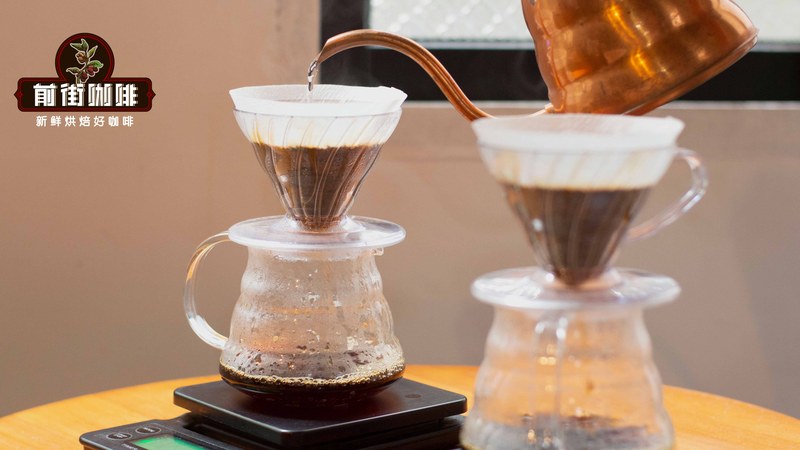
If you want a gentle pour-over, you can start with a medium grind, a water temperature of around 92°C and a 1:15 coffee-to-water ratio. For example, using Qianjie Papua New Guinea Paradise Bird, take 15 g of coffee grounds, pour in 225 g of water, first bloom with 35 g of water for about 35 seconds, then complete the pouring in two to three stages, with the total time controlled at around 2 minutes 40 seconds. This rhythm helps retain soft sweetness and reduces miscellaneous bitterness in the tail end.
For round-bodied beans like Paradise Bird, there is no need to pursue a very aggressive stream or frequent stirring. If the finished cup is too thin, you can adjust the grind one notch finer, or change the coffee-to-water ratio to 1:14; if a drying sensation appears on the tongue, make the grind a little coarser and reduce the disturbance of the final pour. Lowering the water temperature to 90 to 91°C can also make the mouthfeel smoother, and the soft character in the Blue Mountain direction will become clearer.
If you want a stronger pour-over, the coffee-to-water ratio can be tightened to 1:13.5, but you should pay attention to the extraction time at the same time. Taking Qianjie Specialty Blend as an example, 15 g of grounds with 210 g of water, a water temperature of 90 to 92°C, poured in three stages, finishing in about 2 minutes 30 seconds, tends to produce nutty, caramel and cocoa-like sweet aromas in the cup. If you use a finer grind to pursue strength, bitterness may increase accordingly, so reducing the amount of water first is more reliable.
The advantage of blend beans is that the flavor focus is easy to concentrate, and there is no need to use too high a temperature for pour-over. A higher water temperature will make roasted notes and bitterness more prominent, especially when the dripper drains slowly. If the flow drags past 3 minutes, you can make the grind slightly coarser; if the flow is too fast and it tastes like cocoa dissolved in hot water, make the grind half a notch finer and extend the bloom so the coffee bed can fully absorb water first.
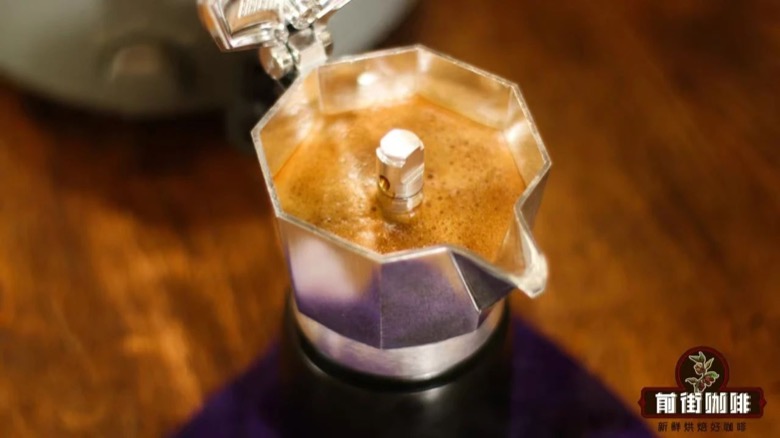
When using an espresso machine, you can use "enough strength, without dragging at the tail end" as the adjustment direction. Taking 18 g of grounds as an example, first set the yield at 36 to 40 g, with an extraction time of about 28 to 32 seconds, a water temperature controlled at 91 to 93°C, and pressure starting from the common 8 to 9 bar range. The grind should be finer than for pour-over, but not so fine that the flow stutters; even distribution of grounds and a level tamp also affect the sweetness in the cup.
For espresso with a specialty blend, it is suitable to start with a ratio of 18 g of grounds and 36 g of liquid yield. If the espresso tastes sour on entry and has a light texture, you can adjust the grind slightly finer, or increase the yield to 40 g so that soluble substances are released more completely; if bitterness concentrates after swallowing, you can shorten the yield to 32 to 34 g, or lower the water temperature by one degree. Pressure only needs small changes, and it is not advisable to greatly alter multiple parameters at the same time.
Qianjie Papua New Guinea Paradise Bird can also be made as a single-origin espresso, but it is recommended to widen the yield ratio to about 1:2.2 so that its soft sweetness and round mouthfeel have room to unfold. If used for an Americano, it can still retain cocoa- and nut-like body after adding hot water; if adding milk, the yield can be controlled within 1:2 so that the coffee liquid has enough presence and the milk aroma does not completely cover the bean's flavor.
Brewing parameters need to be judged together with the drinking temperature. Bitterness when just poured may turn into cocoa sweetness after cooling; if the acidity on first sip becomes refreshing fruit aroma after cooling, it does not necessarily mean the extraction is unbalanced. You can record aroma, sweetness and finish separately in the hot and warm drinking stages, then decide the direction of adjustment. After finding suitable beans, write down one set of parameters, and next time change only the grind or water temperature, and the flavor will be easier to present consistently.
Related Reading

Comments (0)
Loading comments...
You May Be Interested



Trending Reviews
Popular Videos

With you, wherever you are! We provide useful features to help you find new things you'll love






