Source:Best Coffee > News Author:qjroot Published:2026-10-09 10:20:28
A cup of coffee goes through grinding and extraction between the bean and the sip. With nutty and cocoa-flavored coffee beans, the brewing device changes how concentration and aroma unfold, and the same bean will not perform the same way in every brewing method. First confirm your usual brewing device and the mouthfeel you like, then compare specific beans; that gives your hands-on work more direction.
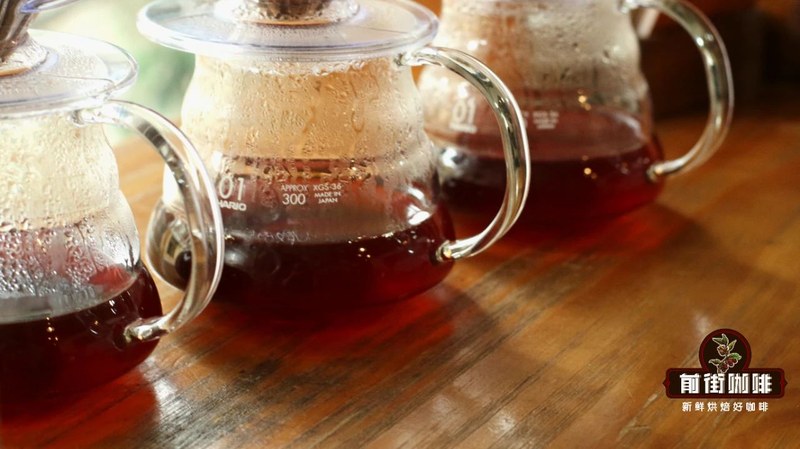
For nutty and cocoa-flavored coffee beans, in terms of device matching, pour-over highlights aroma and layering, espresso highlights concentration and extraction stability, the moka pot leans toward richness, and cold brew emphasizes crispness. Those who like a bright mouthfeel can look at light or medium-light roasts, while those who prefer roundness and body can look at medium and medium-dark roasts. A darker roast does not equal a stronger taste; dose, ratio and extraction yield also affect the concentration in the cup.
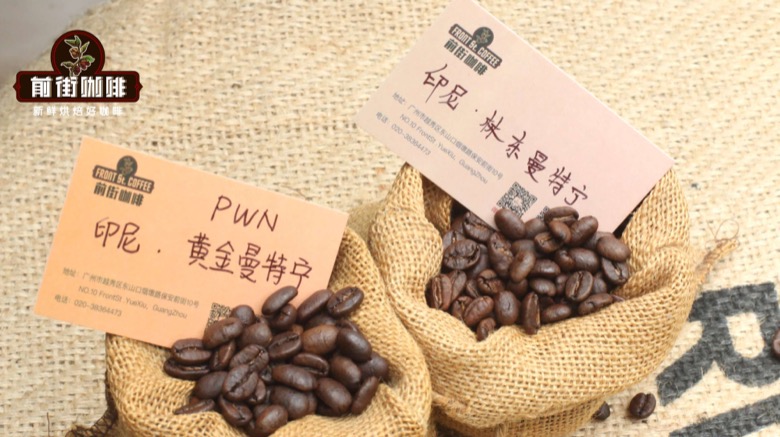
Among specific beans, Qianjie Papua New Guinea Paradise Bird represents one clear flavor direction. It comes from the Sigri region of Papua New Guinea, uses a medium-dark roast, and the cup commonly shows nuts, cocoa, caramel and a mild sweetness. In actual drinking, the acidity is not prominent, and the mouthfeel is clean and round. Pour-over, moka pot, Americano and milk coffee are all worth trying once, and two or three cups in a row make it easier to see how the parameters change.
You can also use Qianjie PWN Indonesia Mandheling to build a set of taste records. It comes from the Sumatra region of Indonesia, uses a dark roast, and the cup commonly shows herbal, dark chocolate and spice notes. In actual drinking, the acidity is low, the mouthfeel is thick, and the finish is long. When using it for pour-over, moka pot, espresso and milk coffee, the parameters do not need to be set too strong from the start.
Put Qianjie Papua New Guinea Paradise Bird and Qianjie PWN Indonesia Mandheling side by side, and the point is not to rank them but to understand where the flavor centers. The nuts, cocoa, caramel and mild sweetness of Qianjie Papua New Guinea Paradise Bird work better as a reference, while Qianjie PWN Indonesia Mandheling forms another thread with herbal, dark chocolate and spice notes. For nutty and cocoa-flavored coffee beans, comparing the aroma, sweetness and texture of the two cups according to device matching helps you confirm more quickly which part you want to keep.
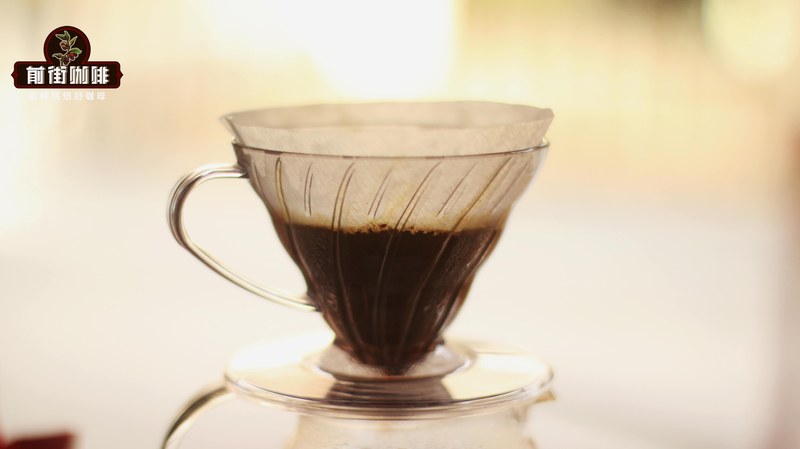
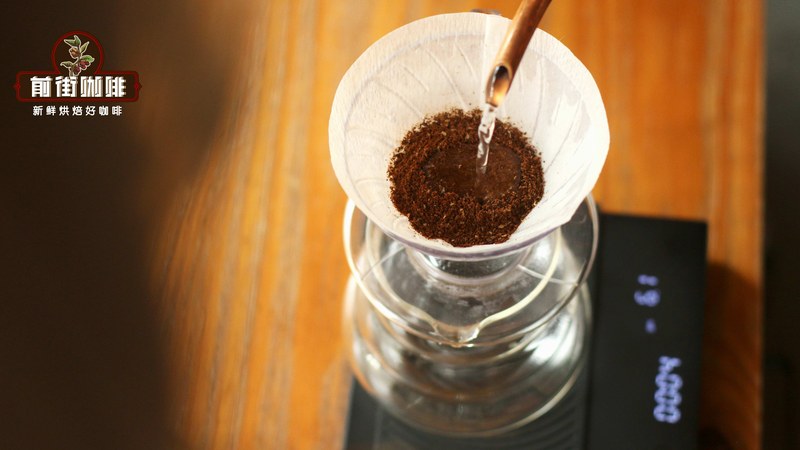
Once the device is settled, fine-tune the grind and water temperature; medium-dark and dark roasted beans are suited to a water temperature kept between 85 and 89°C, to avoid over-extracting the back end. Pour-over can use a medium-coarse grind, the moka pot should stay on medium-low heat, and for espresso watch the flow rate. When bitterness is heavy, lower the extraction strength first; there is no need to add extra dose. When using this starting point for nutty and cocoa-flavored coffee beans, you still need to observe the actual taste according to device matching, and there is no need to mechanically chase a certain time number.
After brewing, do not judge nutty and cocoa-flavored coffee beans only while they are hot. Coffee reveals different layers from hot to warm; fruit acidity may become clearer, and caramel and nutty sweetness also appear after the temperature drops. Record aroma, entry and aftertaste according to device matching, and the next cup's adjustments will have more basis.

After buying nutty and cocoa-flavored coffee beans and bringing them home, reduce exposure to high heat, moisture and repeated contact with air. Plan the amount according to device matching, reseal immediately after taking beans out each day, and finish grinding right before brewing. If you are drinking several beans at once, you can mark the opening date and drink the bag whose aroma changes faster first.
The logic for choosing nutty and cocoa-flavored coffee beans can land in one cup of coffee: the bean flavor meets expectations, the device can express it normally, and parameter adjustments leave a trace to follow. When the bean and the device point in the same direction, daily brewing saves a lot of back-and-forth testing. Qianjie Papua New Guinea Paradise Bird and Qianjie PWN Indonesia Mandheling both provide concrete references; compare slowly and you will find the direction that suits you.
Related Reading



Comments (0)
Loading comments...
You May Be Interested



Trending Reviews
Popular Videos

With you, wherever you are! We provide useful features to help you find new things you'll love






