Source:Best Coffee > News Author:qjroot Published:2026-09-03 18:36:09
The aroma of light-roast coffee beans often needs the right water temperature and contact time to open up, and the structure of the brewer also affects the final cup. A dripper with a fast flow rate is good for amplifying floral and fruity notes; a dripper with a flat bottom has a more even flow rate, and the sweetness and body are more concentrated; for iced pour-over, you need to build in extra strength ahead of time. When choosing beans, it is worth considering them together with the brewers you have at home, your usual dose, and your drinking habits.
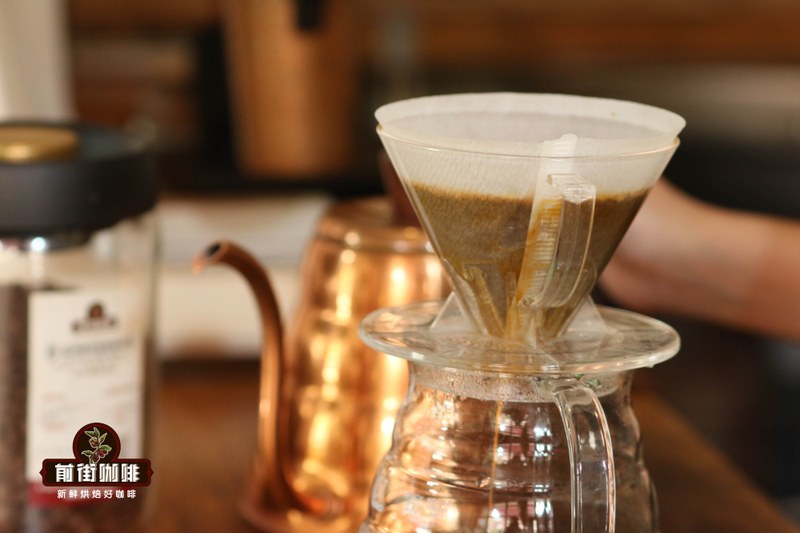
If using a conical dripper, it is recommended to start with a ratio of 15 g coffee to 240 g water, set the water temperature at 91 to 93°C, use a medium-fine grind, pour in two to three stages, and keep the total time to around 2 minutes 30 seconds. Light-roast beans release aroma more easily at higher temperatures, but pouring too aggressively will make the finish clean yet thin. First keep the flow steady, then adjust the grind based on the sweet and sour performance.
Best Coffee Panama Hacienda La Esmeralda Red Label Geisha is suited to being slowly developed in a conical dripper. Its aroma can be understood as white flowers, citrus peel and a light black tea note, delicate on entry, and it still has a bright clarity after cooling. You can use 15 g coffee with 250 g water, around 92°C, first pour 30 g for a 35-second bloom, then pour the rest in two stages. The grind should not be too coarse, otherwise the floral notes will seem to float and the sweetness will be hard to bring together.
If you use a flat-bottom dripper at home, you can adjust the water temperature to 90 to 92°C, start with a coffee-to-water ratio near 1:15.5, and grind slightly finer than for a conical dripper or keep it medium. A flat-bottom structure usually allows the coffee bed to be watered more evenly, making it suitable for completing the extraction with a gentler flow. For light-roast beans with vivid aroma, this method can round off the acidity and make the sweetness easier to perceive in the middle section.
Best Coffee Yirgacheffe Gudingding paired with a flat-bottom dripper is lighter. When brewing, you can take 15 g coffee and 240 g water, at 91°C, bloom for 40 seconds, then pour in a thin stream in circles, aiming for a total time of about 2 minutes 45 seconds. The cup will show a citrus-like brightness, berry notes and a finish similar to green tea. If the entry is too sharp, you can grind a little finer; if the aftertaste is astringent, reduce agitation and shorten the flow tail.
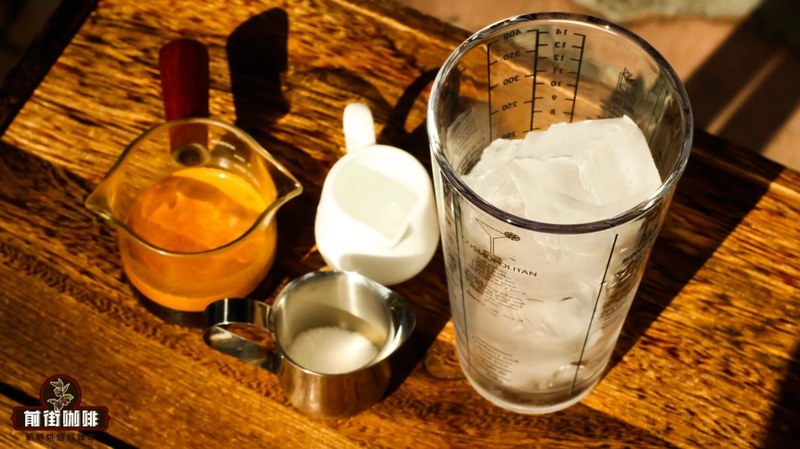
If you like iced pour-over, you can choose beans with a strong juicy character and replace part of the water with ice cubes. Best Coffee Colombia Sidra can use 18 g coffee with 210 g hot water and 60 g ice cubes, at around 93°C, medium-fine grind, with the hot water poured in three stages, and after extraction is complete let the coffee liquid fall directly onto the ice. Passion fruit, dark berries and grape-like notes will be more prominent, and the apricot-like sweet aroma is also easier to retain.
The key to iced pour-over is not simply raising the water temperature, but letting the hot-water stage achieve enough strength, then letting the ice finish the cooling and dilution. If the final drink tastes weak, you can reduce the ice or slightly tighten the grind; if the acidity is too sharp, you can increase the total water amount or lower the water temperature by one degree. When pouring hot water, try to keep the coffee bed stable and avoid large agitation that brings out too many off-flavors.
When using a deeper dripper, the flow tends to concentrate in the middle, so the pouring action should cover the coffee bed rather than only hitting the center. 15 g coffee can be paired with 225 to 240 g water, starting at 91°C, and completed in two stages after blooming. A total time between 2 minutes 30 seconds and 3 minutes usually makes changes easier to observe. If the time is too short, the sweetness of light-roast beans has not fully formed; if it drags on too long, a drying mouthfeel may appear.
If the dripper you have has a slower flow rate, the grind does not need to be too fine, and the number of pours can also be reduced to avoid the coffee bed soaking for a long time. Conversely, a dripper with a very fast flow rate can be paired with a slightly finer grind, or the temperature can be raised by one to two degrees, so that the water and coffee grounds have fuller contact. To judge whether the parameters are suitable, pay attention to the changes from entry to swallowing: if the acidity is clear but not sharp, the sweetness lingers, and the finish has no obvious dryness, then the direction is fairly harmonious.
When light-roast beans are first opened, the aroma may change with resting time, so the parameters do not need to be fixed all at once. You can first record the dose, water amount, water temperature, total time and grind setting, and change only one item each time, which makes comparison easier. If you prefer floral and tea notes, prioritize a higher water temperature and slower pouring; if you want a juicy, full-bodied feel, you can increase the coffee-to-water strength or use iced pour-over.
The same bean does not have only one brewing method that suits it. A conical dripper is suited to showing the depth of aroma, a flat-bottom dripper more easily presents tidy sweetness, and iced pour-over can turn bright fruity notes into a refreshing taste. By fine-tuning according to the brewer's flow rate, capacity and serving temperature, light-roast coffee beans can present different faces at home, and it becomes easier to find the set of parameters that truly works for you.
Related Reading
Comments (0)
Loading comments...
You May Be Interested

Trending Reviews
Popular Videos

With you, wherever you are! We provide useful features to help you find new things you'll love






