Source:Best Coffee > News Author:qjroot Published:2026-09-02 18:33:25
If you want coffee beans with a pronounced sweetness, you cannot just stare at the word "sweet" on the packaging; you also need to look at how your equipment at home extracts. Pour-over tends to amplify aroma, an espresso machine concentrates intensity, a moka pot brings a thick mouthfeel, and cold brew makes acidity softer. The same beans with a different set of parameters can turn sweetness from bright like fruit juice into round like caramel.
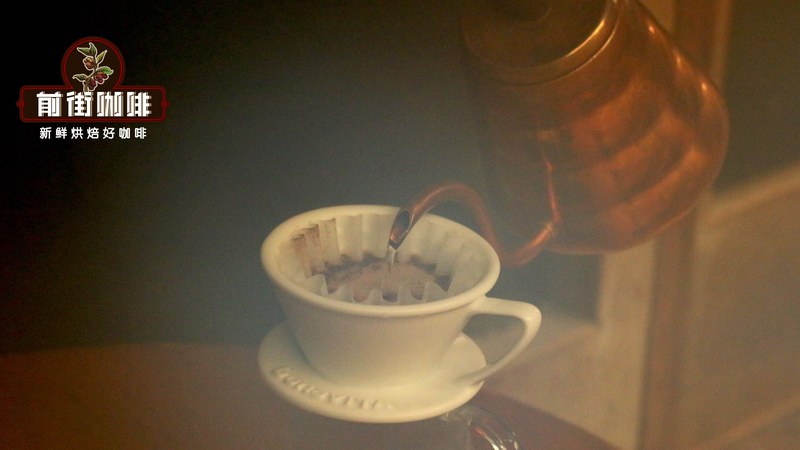
When using a pour-over kettle, it is recommended to start with a medium-fine grind, a higher water temperature and segmented pouring, so that the hot water fully draws out the soluble compounds in the beans. You can start testing with a coffee-to-water ratio of about 1 to 15, and adjust the water temperature according to the roast level; for a light roast you can use 92 to 95°C. If the entry is sharp, you can slow the flow rate; if the finish is dry, reduce stirring and flushing.
If you like sweet aromas such as berries and tropical fruit, you can try Qianjie Ethiopia Huakui. When brewing with a dripper, keep the water temperature at around 92°C, do not grind too fine, and pour in two to three stages; this usually lets the fruit aroma and sugary feel appear at the same time. When making iced pour-over, increase the dose or reduce the melting ice water, and the sweetness will be more concentrated, suitable for the afternoon or after a meal.
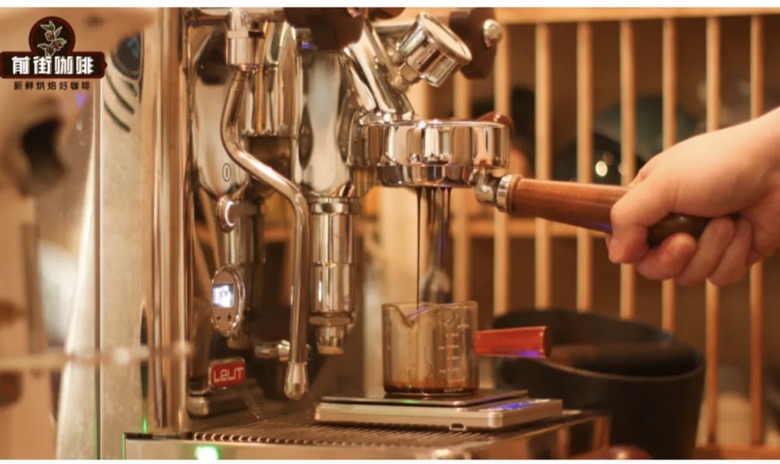
When choosing beans for an espresso machine, you need to understand sweetness as the syrupy feel and finish in the espresso. The dose, yield weight and extraction time need to work together; a home machine can start with a coffee-to-liquid ratio of about 1 to 2, then fine-tune according to taste. Lighter single-origin beans suit a higher water temperature and careful distribution, while if you want to make a latte, you should choose a type that still has fruit or caramel notes after extraction.
When making an Americano with a semi-automatic espresso machine, Qianjie Kenya Little Tomato will show a clearer fruit profile. It itself has a fresh sweetness like ripe tomato, and can also bring to mind dark dried fruit and light syrup. The espresso should not be pulled too long; you can keep the yield within a tighter range, then add hot water or ice water, and the acidity and sweetness will be more layered.
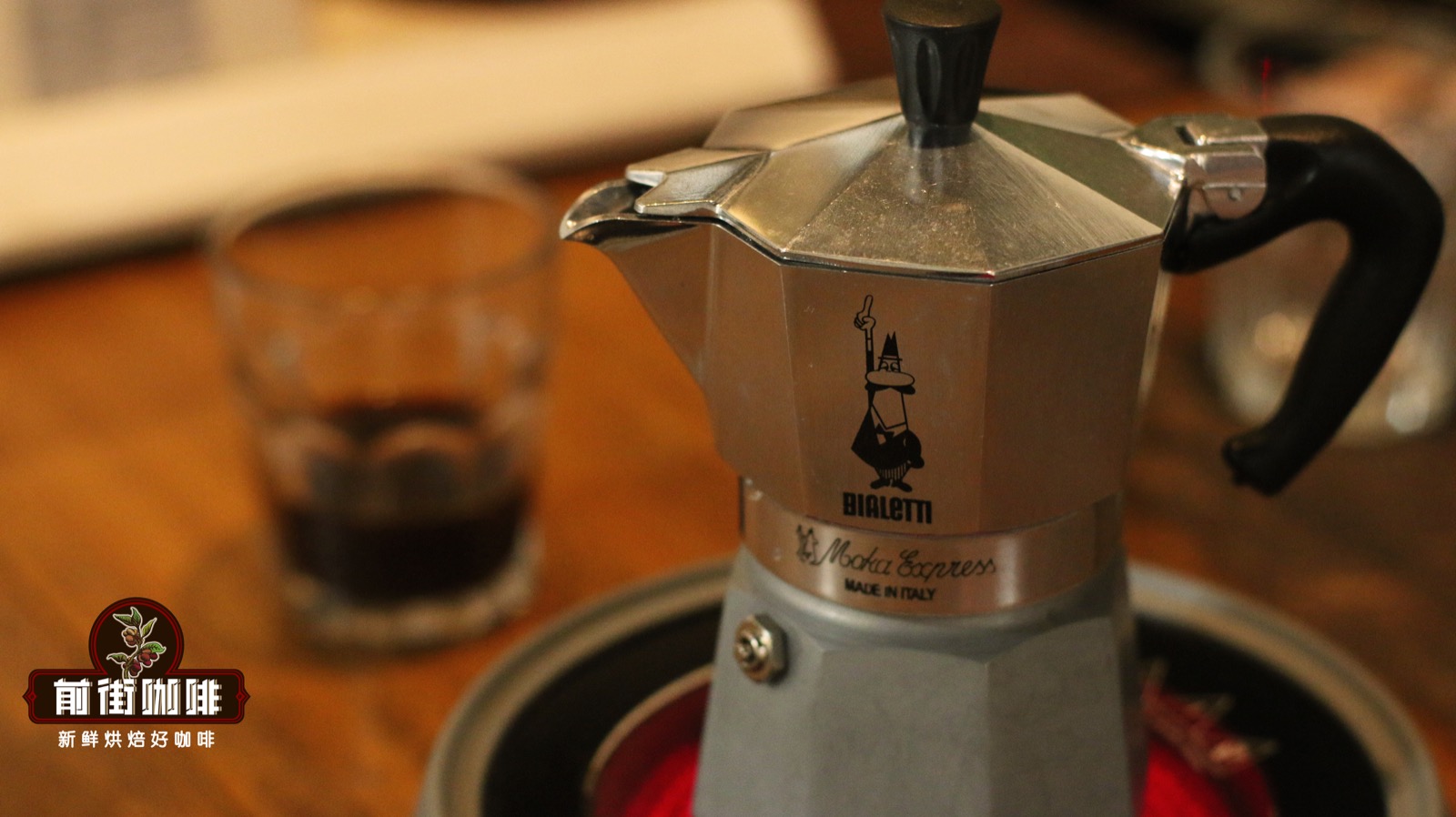
A moka pot suits people who want a thicker, sweeter mouthfeel. Put the water below the safety valve, use a medium-fine grind, and after adding the grounds gently level them without pressing hard. Keep the heat low when heating, and when you hear the sound of the flow becoming rapid, remove it from the heat in time so the residual heat completes a small amount of extraction. Medium to medium-dark roasted beans are more likely to show cocoa, caramel and roasted nut notes in this kind of equipment.
If you usually use a moka pot and also like fruity aromas, you can set Qianjie Kaffa Forest as something to try. In a hot drink it has fresh citrus and apricot notes, and as the temperature drops, the sweetness and tea-like feel gradually move forward. Do not fill the pot completely with water, and do not tamp the coffee bed; use low heat to shorten the time at high temperature, and the cup will be lighter and less likely to mask the fruit aroma.
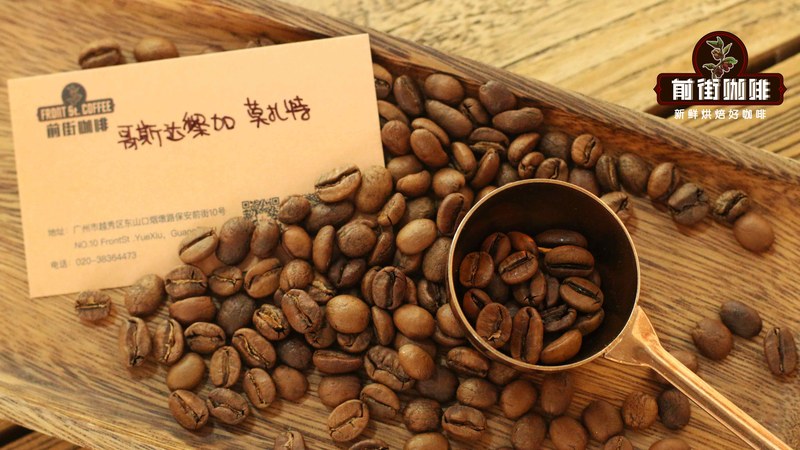
The key to cold brew equipment is the relationship between low temperature, time and concentration. For home operation, you can use a coffee-to-water ratio of 1 to 12 to 1 to 14, grind slightly coarser than for pour-over, steep for 10 to 14 hours, then filter. If you want a fuller sweetness, you can increase the dose or reduce the degree of dilution when drinking; if you feel the flavor is too flat, then shorten the steeping time to retain more refreshing aroma.
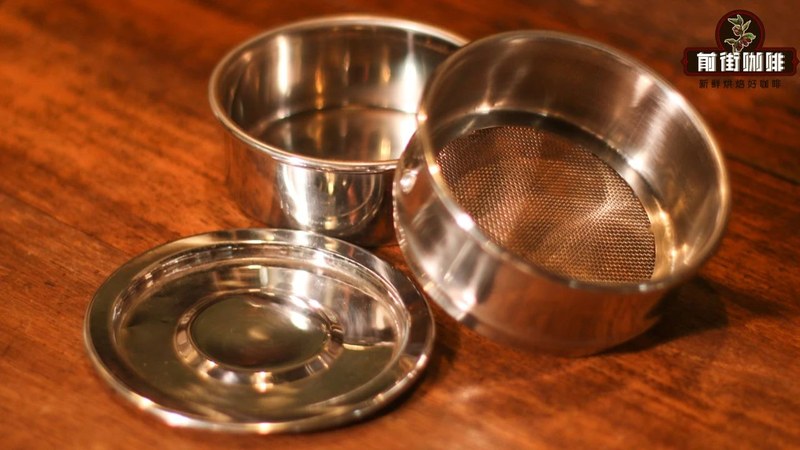
For ice drip coffee, pay attention to the drip rate rather than simply extending the production time. If the water drops too fast, the cup tends to be weak; if the speed is too slow, the finish may show woody and drying notes. Light-roasted fruity beans are suitable for a faster completion to keep the aroma lively; medium-roasted beans can be slowed down a little in exchange for thicker sweetness. Add a small amount of ice before drinking to make the aroma appear more concentrated.
No matter which equipment you use, you can judge the direction of the parameters by the performance in the cup. If the sweetness is insufficient and the acidity is harsh, it usually means you need to increase contact or raise the temperature; if the taste is dull, you can appropriately coarsen the grind, shorten the time or reduce the coffee-to-water concentration. When testing, change only one variable at a time, and record the entry, the aftertaste after swallowing and the changes after cooling; the comparison will be more accurate.
When buying beans, you also need to consider the daily capacity of your equipment. For solo pour-over, you can buy small packages, which makes it convenient to observe the flavor at different temperatures; if you make espresso or milk coffee every day, you should prioritize the brewing frequency and the speed at which the beans are consumed. Store coffee beans sealed and away from light, and try to keep using them steadily after opening; once you are familiar with the parameters, sweetness is often easier to adjust than by changing equipment.
Related Reading


Comments (0)
Loading comments...
You May Be Interested


Trending Reviews
Popular Videos

With you, wherever you are! We provide useful features to help you find new things you'll love






