Source:Best Coffee > News Author:qjroot Published:2026-01-07 16:51:19
For many coffee enthusiasts, Ethiopia is absolutely a holy grail, as it is the birthplace of coffee and now the largest Arabica producer in Africa. When it comes to specialty coffee from here, we’re sure you, like us at Front Street, can rattle off your favorite picks: Kochere, Guji Kochere Cooperative, Konga, Yirgacheffe Huikui, Gesha Village, and more—all top-tier representatives of Ethiopian coffee. But this year, a producing area called Alo Village has skyrocketed in popularity across the coffee community. So, what’s the story behind its magnetic appeal?
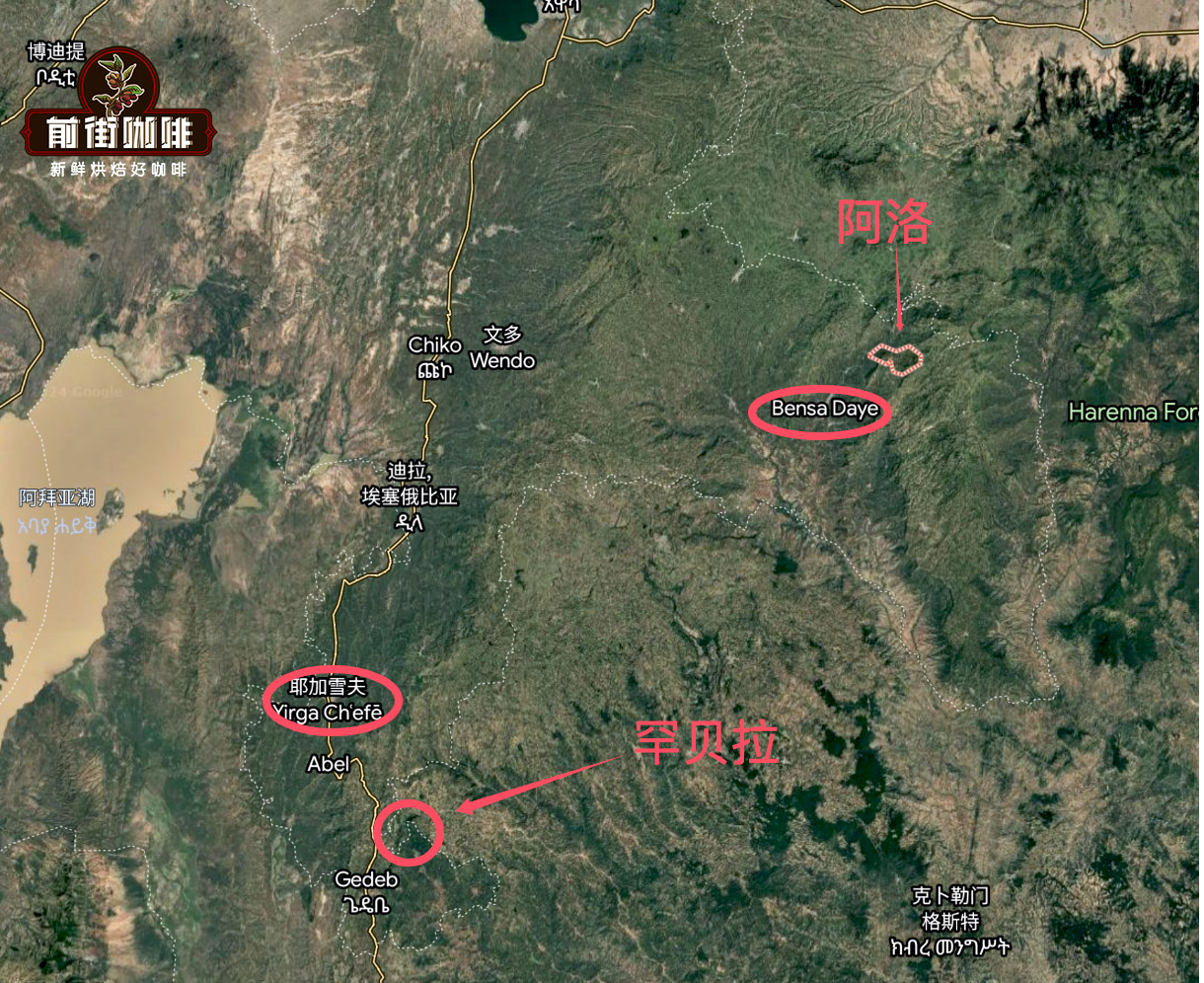
Ethiopia’s terrain features extremely high altitudes, with vast highlands creating an optimal climate and significant diurnal temperature variations. Mornings are shrouded in mist with cool breezes wafting through the mountains, afternoons bring abundant sunshine, and nights see temperatures drop to the teens—but without frost—making it an ideal environment for coffee cultivation. Ethiopia has numerous coffee-growing regions, and the interplay of different soils, microclimates, and post-harvest processing methods results in diverse flavor profiles. In domestic coffee shops, you’ll most often hear about Yirgacheffe, Sidamo, and Guji—the region’s most iconic flavor representatives, whose unique aromas are celebrated throughout the coffee world.
As the birthplace of coffee, Ethiopia boasts a long cultivation history and multiple coffee-growing regions, including Sidamo, Harrar, Kaffa, Limmu, Lekempti, Tepi, Bebeka, and Bale. Among these, Yirgacheffe, Guji, Sidamo, and Bebeka are the most well-known in the market. But in recent years, with the rising fame of Alo Coffee from the Bensa area in Bench Maji, numerous roasters both domestically and internationally have added lots from this origin to their offerings, bringing the Bensa region of Sidamo into the spotlight.
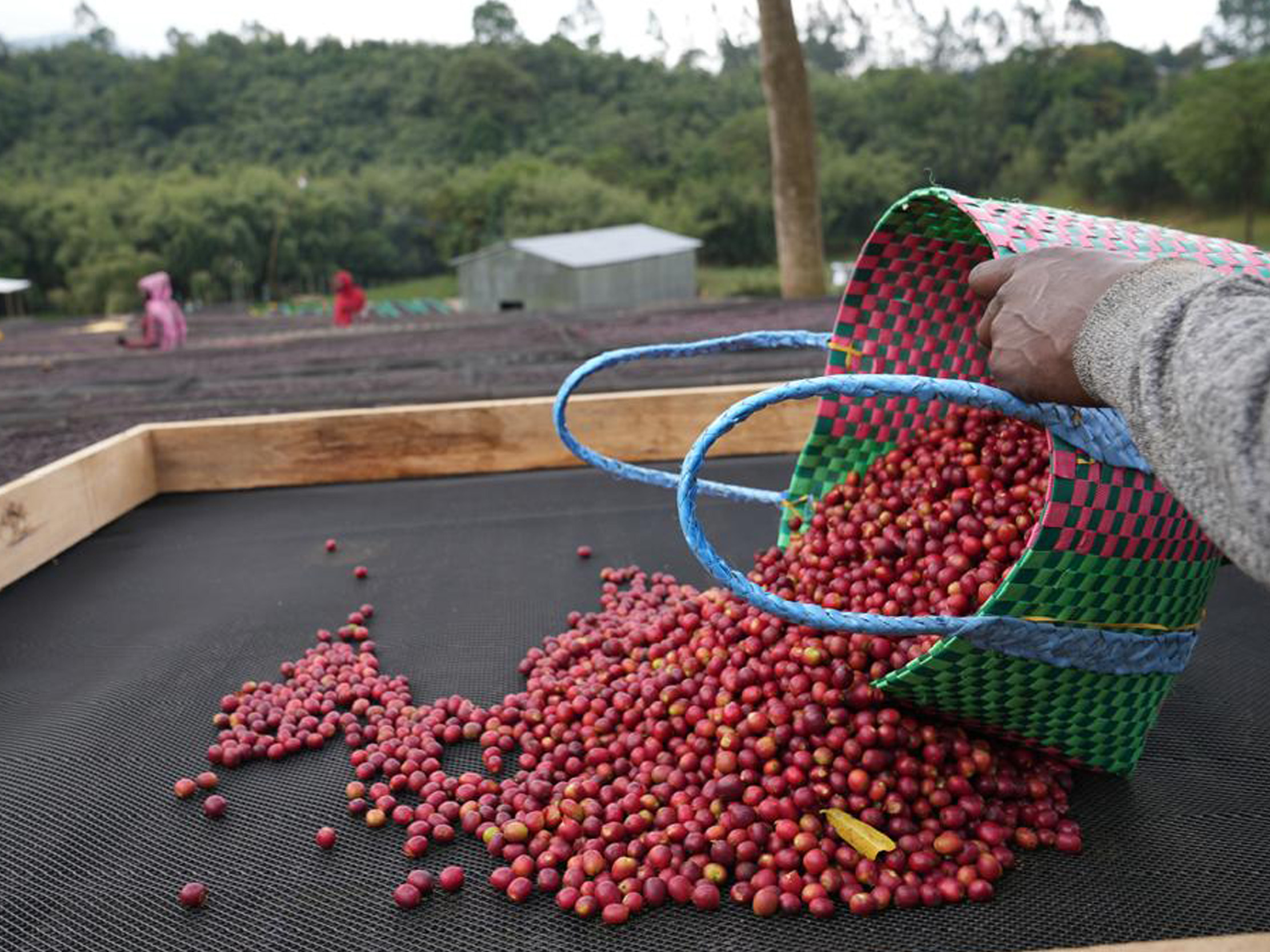
It’s reported that this region gained fame at the 2021 COE (Cup of Excellence) green coffee competition. Among the 30 winning lots that year, 16 were from the Sidamo region, with 6 hailing from the Bensa area. Notably, the 2021 Ethiopian COE champion was a 74165 variety grown in Alo Village by Tamiru Tadesse Tesema, which scored an impressive 90.6 points. Thus, Alo Village and Tamiru, the founder of Alo Coffee, shot to fame in the coffee scene.
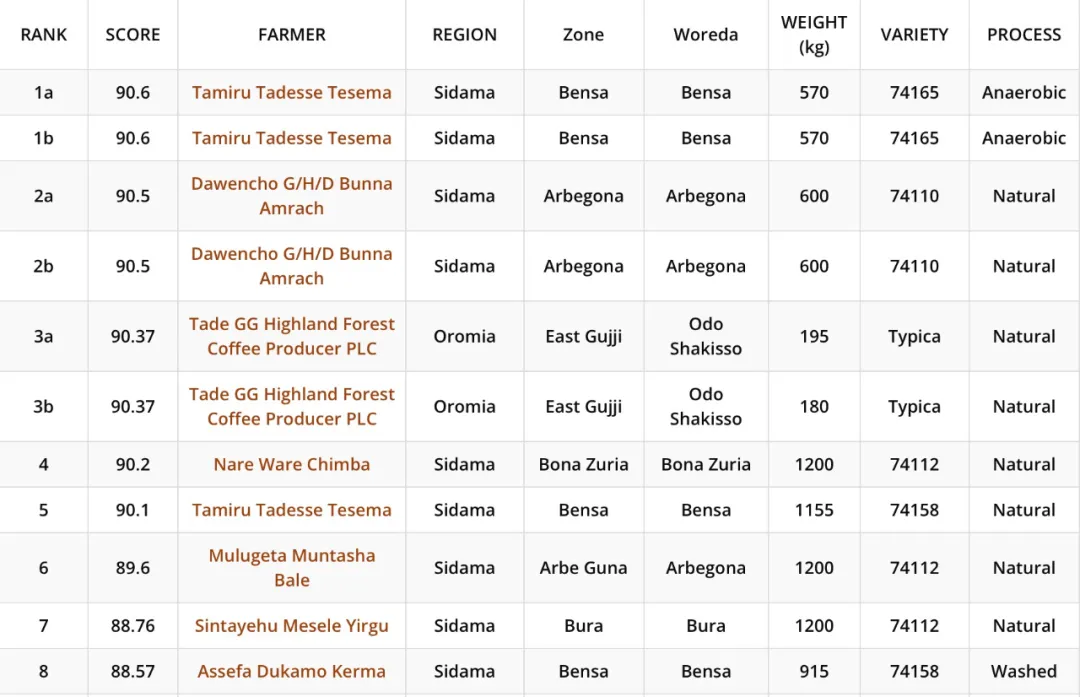
2021 Ethiopian COE Results
Alo Coffee PLC is a green coffee trading company operated by Tamiru Tadesse, established in 2020. It primarily exports coffee from the Bensa area of Sidamo and also functions as a green coffee brand. A native of Bensa, Tamiru grew up surrounded by coffee. He studied engineering in university, taught at the university for two years after graduation, and then entered the specialty coffee industry. In 2020, after seeing a fellow grower from Bensa town win at COE, he realized the immense potential of the high-quality specialty coffee produced in this land—but due to small-scale farming and limited resources among local farmers, it was difficult to commercialize. Determined to promote the “flavor of Bensa” to the world, he founded his own company, Alo Coffee.
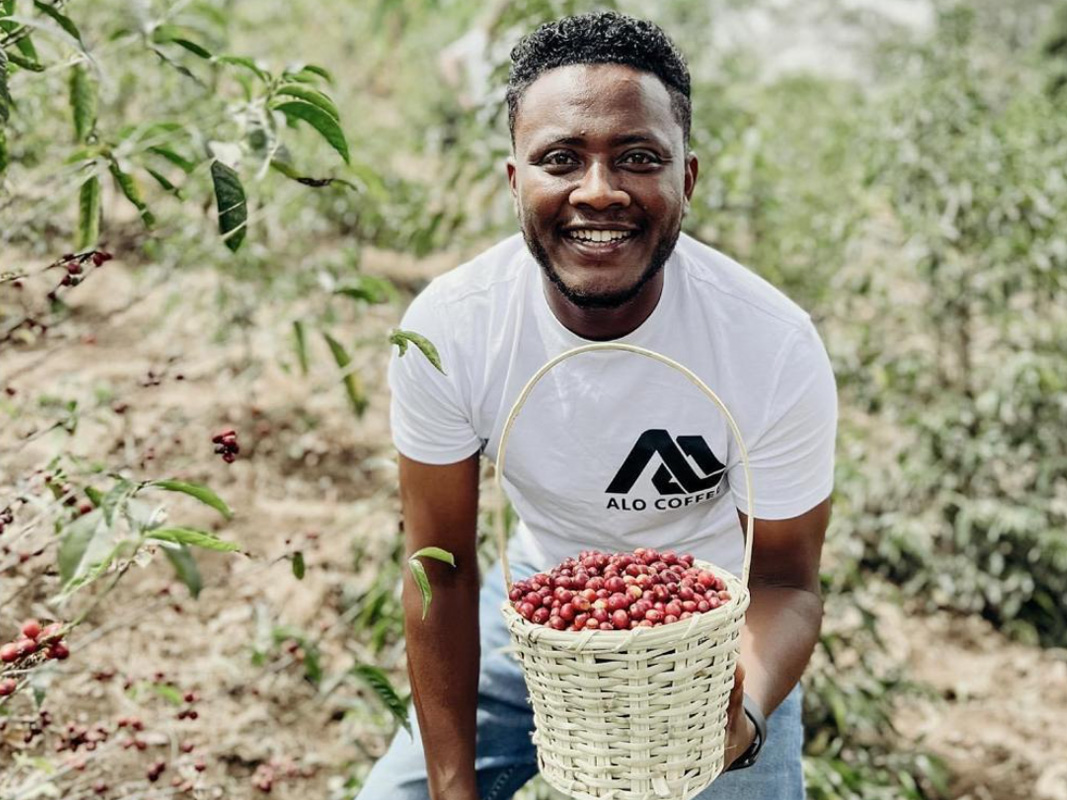
Tamiru first obtained Q-grader certification. Then, leveraging his deep understanding of coffee cultivation and production in Bensa, along with years of experience in green coffee export trade, he began to systematically assess the region’s production, sales, and quality—from scratch. He also analyzed the challenges and opportunities facing Ethiopia’s specialty coffee sector. In the same year he founded the brand, he established a green coffee processing station in his hometown of Alo Village and built a dedicated transportation system to collect and process coffee cherries from over 200 smallholder farms in the surrounding area. He provided these farmers with professional training and technical support while strictly controlling every detail of green coffee processing to ensure traceability at each step. In just two years, Tamiru had already made Alo a frequent presence in specialty coffee shops overseas.
Back to Alo Village—it’s a small village located in the northeastern part of Sidamo, situated on the highest slope of Bensa Woreda. The Bensa area is known for its unique geographical advantages, with planting altitudes ranging from 1,800m to 2,300m. Compared to many classic Ethiopian coffee regions, many coffee trees in Bensa are grown at elevations between 2,200m and 2,350m, with the renowned Alo Village standing out as the best of the best, reaching an altitude of 2,400m.
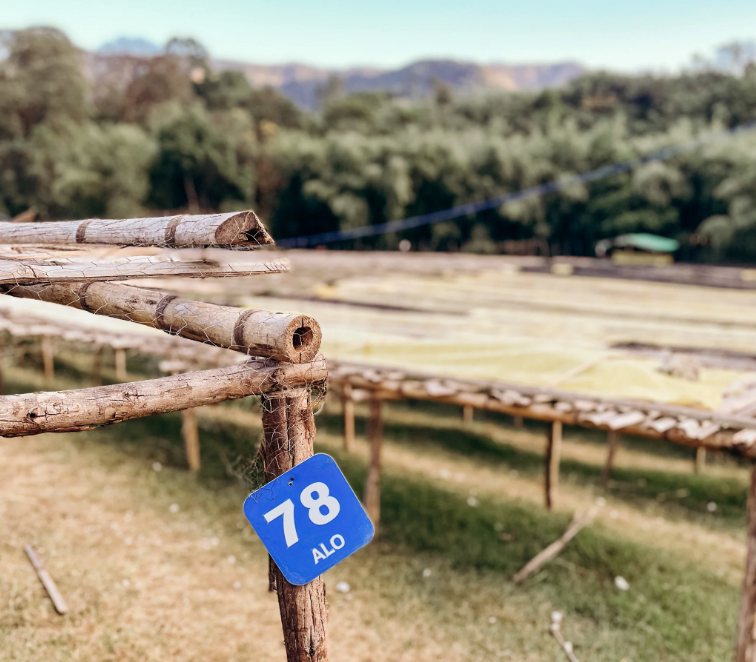
As mentioned in our previous articles, for specialty coffee, the higher the planting altitude, the slower the growth of coffee cherries, resulting in later harvest times compared to other regions. This leads to higher bean density and more complex, intense aroma structures. Additionally, the high altitude extends the drying time of coffee cherries, and the relatively low fermentation temperatures after picking contribute to richer “floral and fruity” notes.
Currently, Alo Coffee’s harvesting operations are mainly focused in the Bensa area under the Sidamo region. By village, in addition to the most famous Alo Village, there are also lots from Bombe Village, Murago Village, Bashiro Gute (part of Bona Zuria Woreda), and others available in the market.
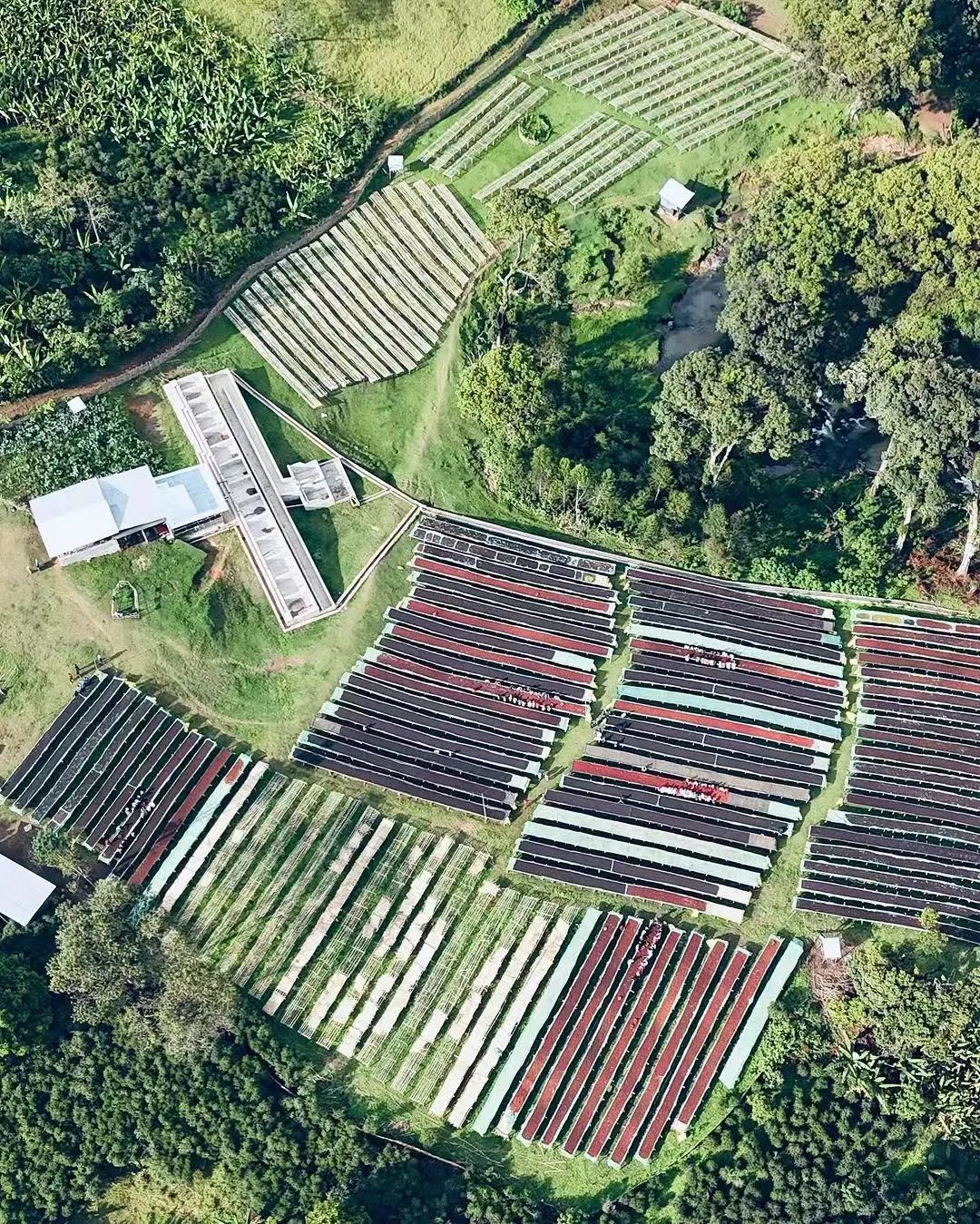
Regarding information about the washing station, Tamiru has also disclosed relevant details on the official website. Currently, Alo Coffee’s green bean processing areas consist of eight stations: Main (main washing station), Chilaka, Morke, Hatessa, Mewa, Hurro, Gute, and Chire Kalo. The main washing station Main, Hatessa, and Chilaka are all located in Bensa; Morke is situated in Bura; Mewa and Hurro are both in Nensebo; Gute is in Bona Zuria. All the washing stations are placed near the coffee farms to facilitate quicker post-harvest processing and to ensure the freshness of the coffee cherries.
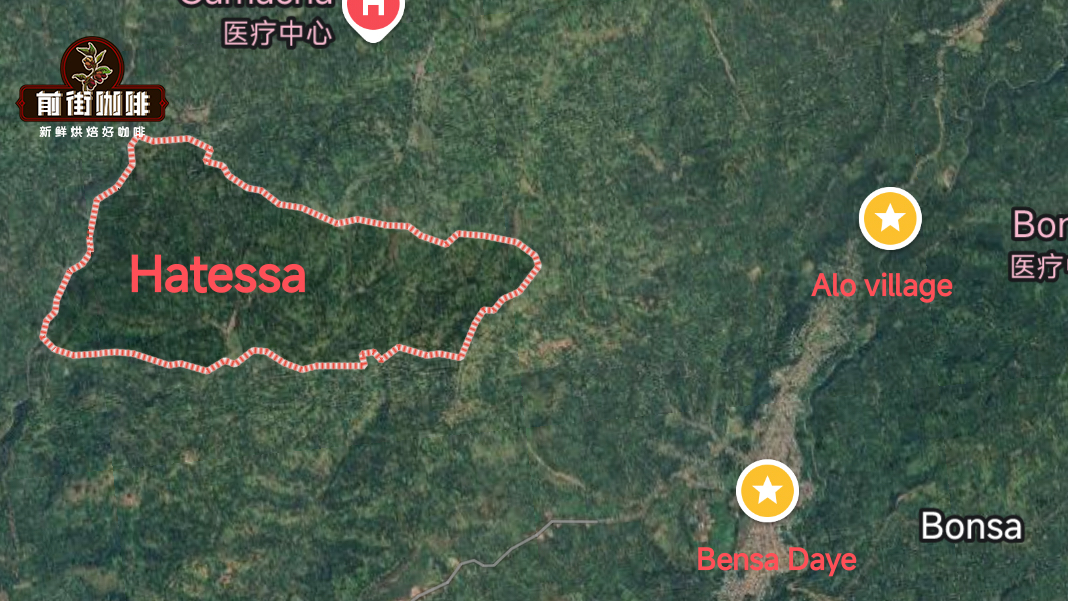
As for the varieties, most of the coffee produced by Alo are from the JARC (Jimma Agricultural Research Center) 74 series, including 74158, 74165, 74112, 74110, etc., among which 74158 is the most common on the market. The batch that Nectar purchased this time is also from the 74158 variety, processed by the Hatessa washing station (listed as “Hatesa” on Google Maps) under Alo Coffee. This is a small village located 23 kilometers south of Alo village, where the freshly picked coffee cherries were processed using the traditional natural (sun-dried) method.
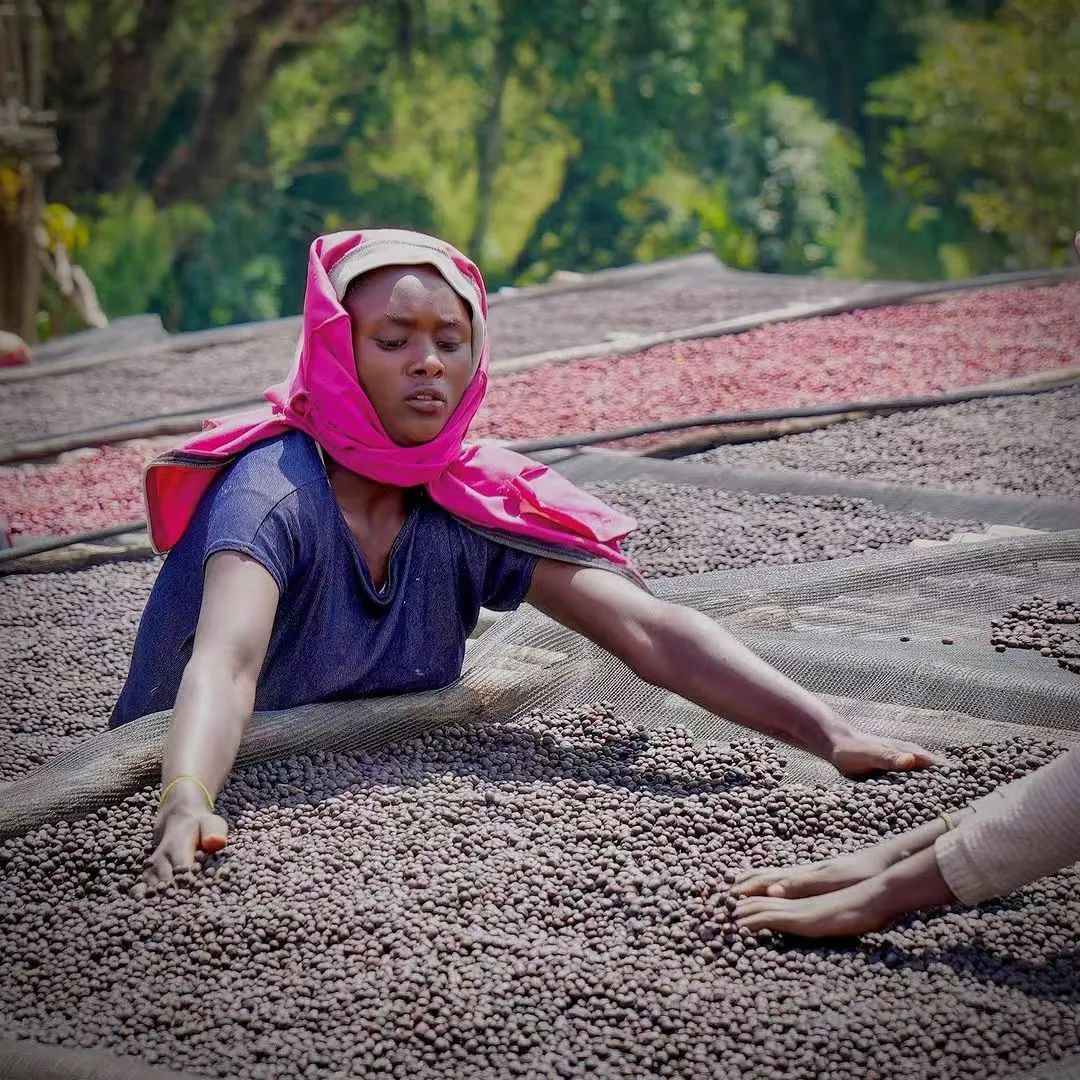
Before the actual sun-drying process, farmers first hand-pick fully ripe coffee cherries, transport them to the Hatessa washing station, and conduct an initial round of sorting. Then, before washing, they sort the fruits again by observing the skin color to remove overripe or underripe cherries, ensuring uniform color before sun-drying.
For naturally processed coffee, farmers responsible for post-processing need to turn the fruits on the drying beds very diligently during the first three days because at this stage the coffee cherries have high moisture content. If not turned in time, it can easily lead to mold growth and uneven heating, resulting in unpleasant sour or rotten fruit flavors. Throughout the process, the coffee cherries are spread in a very thin layer to ensure better ventilation and drying. After 14–18 days, once the moisture content drops to the target level, the beans are bagged and sent to the warehouse.
Through cupping, Nectar first experienced the sweet floral and fruity aromas of this Alo coffee. The dry fragrance featured distinct notes of magnolia, pineapple, yellow peach, and small Taiwanese mango, accompanied by a clean, sweet fermentation aroma, making it very pleasant.

When slurped, the cup presented a rich tropical fruit acidity and sweetness, with particularly prominent notes of ripe pineapple, passion fruit, and perfume lemon, along with a hint of black tea undertone. The gentle fermentation sensation combined with light floral notes made one eager for another sip. As the temperature dropped slightly, the coffee began to show more stone fruit characteristics such as yellow peach and dried apricot, with bright and layered fruit acidity—very unique.

Flavor: Magnolia, passion fruit, pineapple, mango, fermented notes
Related Reading

Comments (0)
Loading comments...
You May Be Interested



Trending Reviews
Popular Videos

With you, wherever you are! We provide useful features to help you find new things you'll love






