Source:Best Coffee > News Author:qjroot Published:2026-09-24 17:08:59
In the morning, warm up a cup of oat milk or fresh milk for yourself and pour it into freshly brewed coffee; that warm, mellow aroma always snaps you awake instantly. Many people usually cannot stand the bitter clarity of black coffee and are especially fond of the silky, creamy texture of milk coffee. However, sometimes after adding milk, the coffee becomes very watery, weak and tasteless, and sometimes it takes on a dry, astringent feel. This is mostly not the milk's fault, but rather that the coffee's own strength and extraction yield are not in rhythm with each other.

To make milk coffee taste smooth, you first need to distinguish strength from extraction yield. We can compare extraction yield to how much savoriness is boiled out of pork ribs when making soup, while strength is how much water is added to that pot of soup. The flavor compounds in coffee grounds are released in stages: the sweet-and-sour aromatics come first, followed closely by nutty and cocoa notes, and at the tail end come bitter, woody notes. When underextracted, the flavor is hollow and rather sour; when overextracted, it brings out off-flavors and dryness. Both directly affect how harmoniously it blends with milk.
In daily brewing, the coffee-to-water ratio determines whether the cup is stronger or weaker, while grind size and water temperature govern how high or low the extraction yield is. If the brewed coffee tastes bitter and rasping on the tongue after milk is added, that indicates extraction is too high; in that case, you can adjust the grind one or two steps coarser, or lower the water temperature by two degrees. If the coffee flavor feels completely drowned by the milk and becomes thin and bland, it is often underextraction or too large a coffee-to-water ratio; grinding finer or shortening the liquid yield can improve it.
Once you understand the principles of extraction, the approach to choosing beans becomes clear at once. Making milk coffee is different from drinking single-origin coffee on its own: milk brings its own sweetness and milkfat richness, which requires the coffee base to have sufficient strength and flavor intensity. Beans with a darker roast and nutty, caramel qualities have a looser physical structure and more easily extract a rich crema and dark flavor molecules; after milk is poured in, they can still firmly hold up the structure, bringing out each other's rich roasted almond and chocolate sweetness.
When using a home espresso machine or moka pot to make an espresso base, Qianjie Specialty Blend and Qianjie Dark Cocoa Blend are especially well matched choices. These two coffees are based mainly on the flavor profile of naturally processed Brazil, with soft, restrained acidity; even when grinding the beans you can smell warm almond notes. Once made into a latte, the coffee's oils interweave with the milkfat, and the sip is creamy and round, with a finish full of deep, mellow dark chocolate and walnut aromas, very suitable for enjoying with toasted bread in the early morning.

If you like an especially thick, intense mouthfeel with a layer of golden crema, Qianjie Classic Blend, which contains a small amount of Robusta, is very much to your taste. When extracting espresso, you can use 18 to 19 g of coffee grounds and extract 36 to 38 g of espresso in 25 to 28 seconds. This kind of espresso base, with high strength and moderate extraction yield, has especially solid caramel and cocoa sweetness; even if you pour in more than 200 ml of fresh milk, it still has a pure, full-bodied coffee aroma.
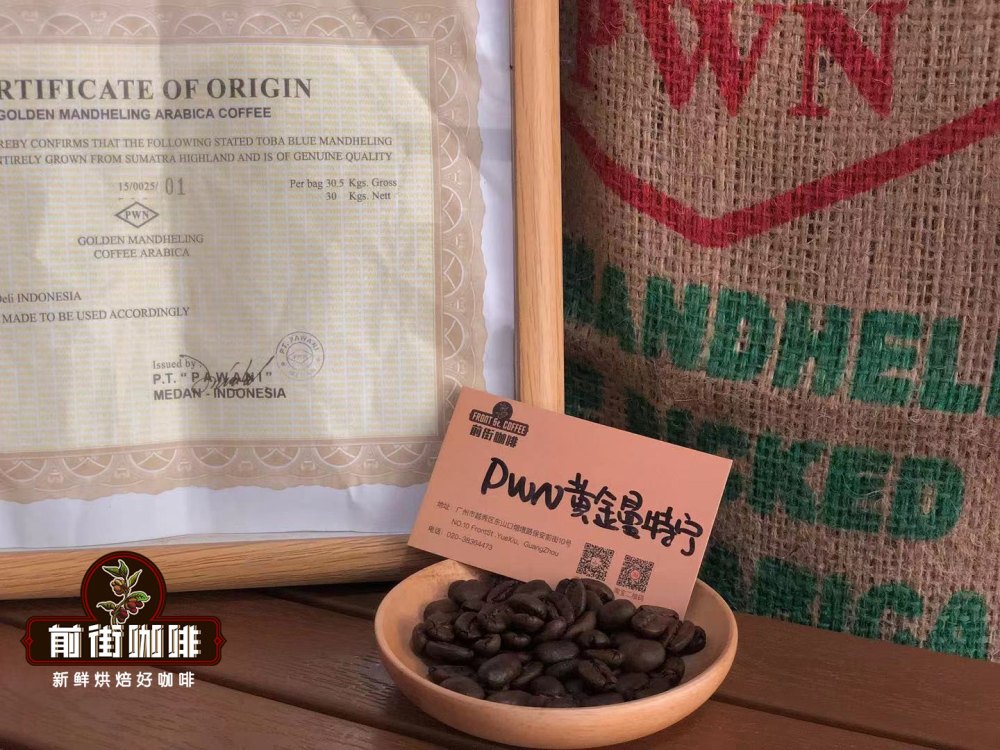
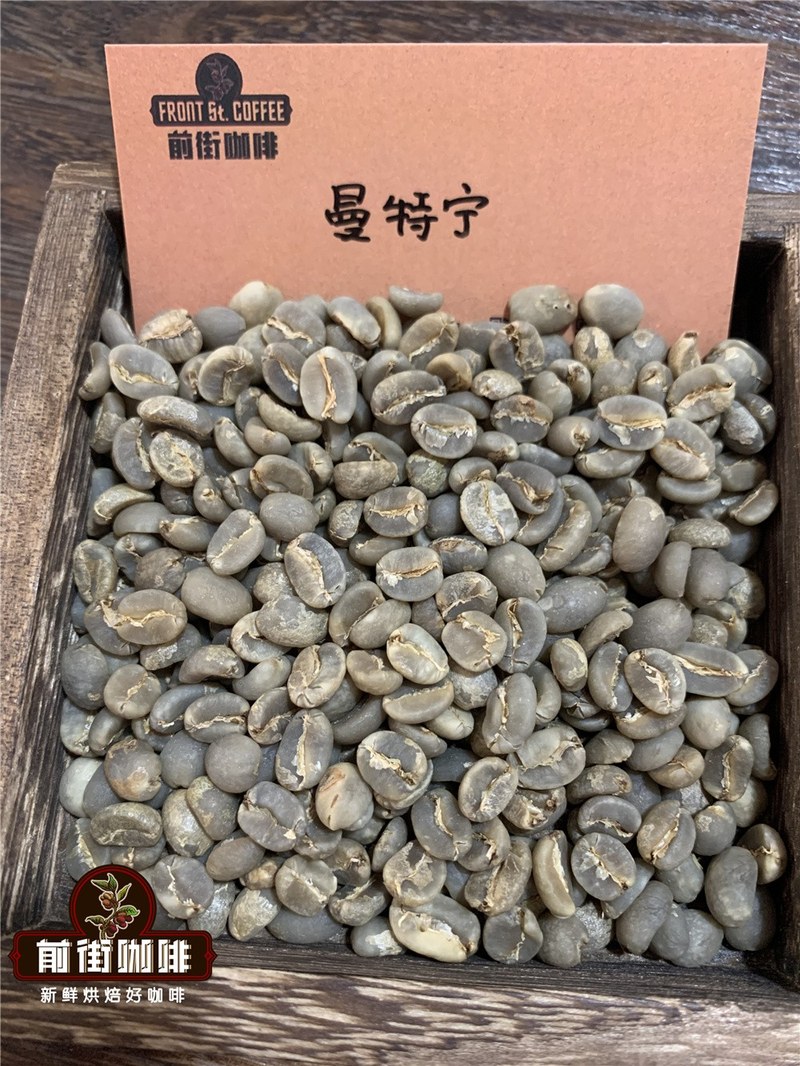
Friends who are used to drinking pour-over can also use single-origin coffee mixed with milk; the key is to choose beans suited to strong drinking. For example, Qianjie PWN Golden Mandheling coffee or Qianjie Queen's Estate coffee have a medium-dark roast and naturally carry the heavy texture of spices, herbs and creamy chocolate. If such beans are brewed too dilute, they instead fail to show their charm; brew them with the strength raised slightly, then add a little warm fresh milk, and the originally heavy bitterness and sweetness instantly turn into a silky toffee aroma.
When making a milk coffee base by pour-over, you can slightly adjust the brewing parameters to increase strength. It is recommended to use 15 g of coffee grounds with a 1-to-15 coffee-to-water ratio, preparing 225 ml of hot water at about 88 degrees. First pour in 30 ml of water and bloom for 30 seconds to fully release gases, then use staged pouring and slow brewing, keeping the total extraction time at around 2 minutes. The coffee liquid brewed this way has complete flavor release and moderate strength; poured into half a cup of hot milk, it is clearly layered and especially gentle and smooth.
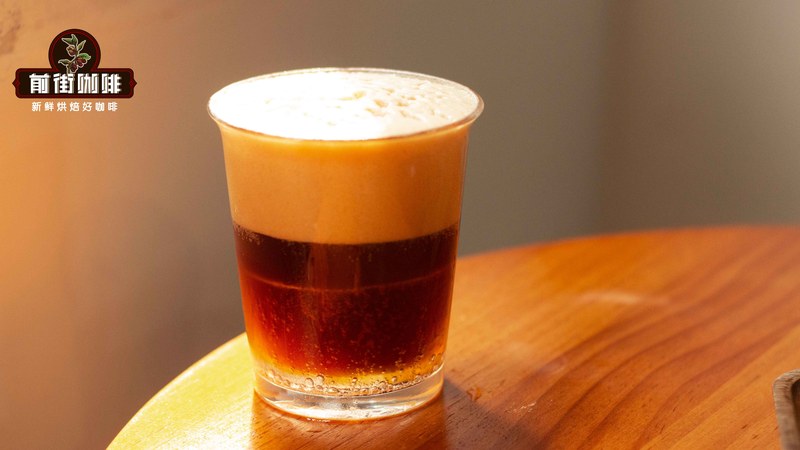
In hot weather, icy cold brew milk coffee is equally captivating. Slow steeping in cold water more easily releases fruit acid and floral molecules. Choose Qianjie Strawberry Candy Gesha Blend coffee or Qianjie Colombia Sidra coffee, steep and extract at low temperature, then mix with ice-cold milk; the fresh sweetness of strawberry and passion fruit blends with milky fragrance, and it drinks like a refreshing fruity milkshake. Once you have figured out the secrets of strength and extraction, and blend milk according to the temperament of different beans, you can drink a satisfyingly good cup every day.
Related Reading





Comments (0)
Loading comments...
You May Be Interested






Trending Reviews
Popular Videos

With you, wherever you are! We provide useful features to help you find new things you'll love






