Source:Best Coffee > News Author:qjroot Published:2026-09-22 12:56:17
Many friends who have just started drinking black coffee are often caught off guard by the bright, crisp fruit acidity of light-roasted beans, and may even feel like they are drinking a cup of sour lemon tea. In fact, whether coffee is acidic or not largely depends on the natural gifts of the terroir where it grows, as well as the art of roasting that follows. As long as you understand the world's terroir map, choosing a cup of smooth, mellow black coffee with no sourness or astringency is not difficult.
Looking across the global coffee belt, the three major producing regions are like seasoning masters with completely different personalities. The African region is like an overturned basket of fresh fruit, with bright, lively floral and fruity aromas; Central and South America is good at a harmonious concerto of nuts, caramel and cocoa, with a focus on mildness and balance; while Asia and surrounding producing regions, represented by Indonesia, prefer deep, heavy herbal and spice notes, naturally carrying a low-acid yet long, rich, full-bodied undertone.
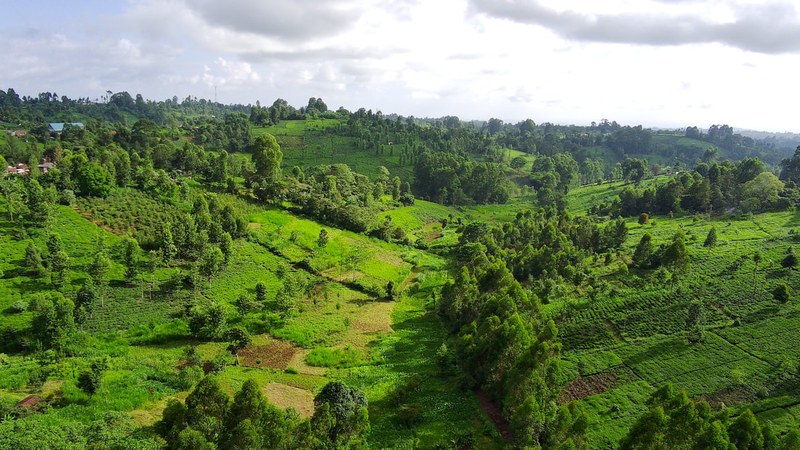
If you are naturally sensitive to sourness, Asian producing regions are usually a particularly well-suited starting point. The fertile volcanic soil and humid climate here give coffee beans a steady, full inner quality. After the beans undergo a deeper roast, the original green fruit acidity is transformed into almost nothing, replaced by a full, rich oily body and deep roasted aroma, drinking like a warm, rich liquid dark chocolate.
In this producing region, Qianjie PWN Indonesia Golden Mandheling can be said to be the representative of non-acidic coffee. It uses a dark roast process, bringing the acidity down to a very low state. On the palate there is immediately a highly recognizable herbal freshness and a rich dark chocolate aroma, with a long nutty sweet aftertaste in the finish. The whole cup has a solid, lingering texture, and for friends who love old-school rich flavors, it drinks especially reassuringly.

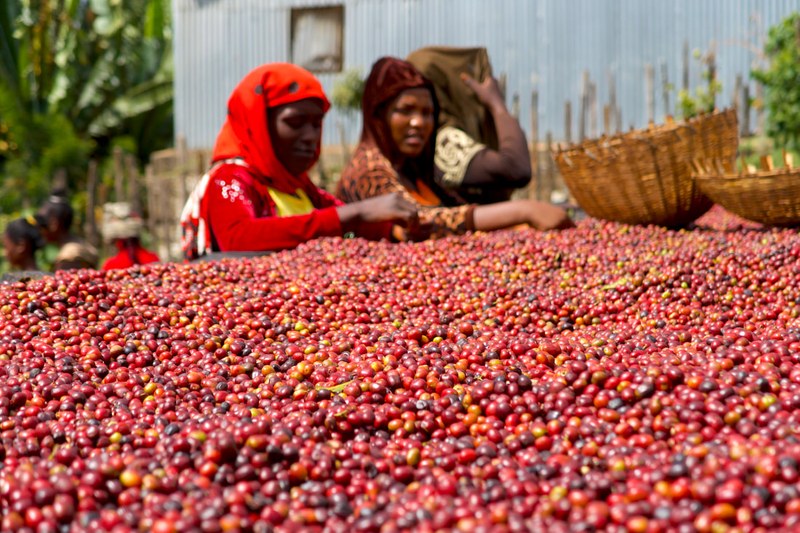
Turning to Central and South America, the bright sunshine here allows coffee cherries to accumulate plenty of sugar. Compared with the liveliness of African beans, the coffee produced in this land has an especially restrained, balanced flavor, rarely with abrupt, sharp acidity. They often carry the sweetness of roasted nuts, caramel and whole milk cocoa, retaining the original sweetness of the coffee beans while also having a silky-smooth mouthfeel, very suitable for slow daily drinking.
To experience this balanced beauty, Qianjie Brazil Queen Estate is worth savoring carefully. Brazil's vast, gentle plateau environment gives it its signature low acidity and high sweetness. This bean is very warm and smooth on the palate, with caramel sweetness spreading out alongside roasted almond and rich cocoa aromas, without any annoying astringency. Whether made as pour-over or extracted with a moka pot, it performs extremely gently and approachably.

Besides the vast continents, high mountain islands deep in the ocean also nurture stunning low-acid choices. Take the volcanic mountains of Papua New Guinea, where high altitude and clear mountain springs nourish high-quality Typica trees. The coffee here is processed cleanly and meticulously, absorbing the island's mild soil and water while retaining a pure, transparent texture. The overall flavor is rounded and stable, with no sharp acidity at all.
Among these, the representative work is Qianjie Papua New Guinea Bird of Paradise. It comes from the Sigri Highlands, with full, uniform beans, and three rounds of washing make the overall flavor especially clean. Its acidity is very soft and can even be ignored. On the palate it is full of nutty sweetness and the warmth of caramel, with a coordinated yet light layering. Its flavor and texture are close to Blue Mountain coffee, drinking without any burden, and the sweetness lingers especially long between the lips and teeth.
After choosing good beans, the brewing parameters for pour-over are also the key to locking in the rich aroma. It is recommended to weigh out 15g of coffee grounds and prepare 225ml of hot water at a 1:15 coffee-to-water ratio. When pouring, first use 30ml of water to fully bloom for 30 seconds to awaken the aroma, then pour steadily in stages, allowing the water to gently extract the nutty and chocolate aromas. Keep the total time at around two minutes, and a cup of coffee full of rich aroma is ready.
In fact, drinking black coffee does not require forcing yourself to accept those bright fruit acids. As long as you follow the lines of the three major terroir maps and choose medium-dark roasted beans from Central and South America or Asian producing regions, you can easily encounter that warm undertone belonging to cocoa, caramel and nuts. Savoring it slowly amid the steaming rich aroma, black coffee should be just such a relaxing daily pleasure for body and mind.
Related Reading





Comments (0)
Loading comments...
You May Be Interested



Trending Reviews
Popular Videos

With you, wherever you are! We provide useful features to help you find new things you'll love






