Source:Best Coffee > News Author:qjroot Published:2026-09-03 18:45:13
When choosing espresso beans, whether to go with a dark roast or a medium-dark roast cannot be judged solely by the roast level on the packaging; you also need to match it against your home machine's operating parameters. Pump pressure, brewing temperature, pre-infusion method, basket capacity and grinder precision all change the concentration and flavor of the espresso. Home machines with relatively fixed parameters are best started with beans that have full flavor and more room for adjustment; machines with a wider adjustable range can bring out the details of medium-dark roasted beans.
Start with brewing temperature. Dark roasted beans have a looser internal structure and release compounds faster, so you can start testing around 88 to 91 degrees Celsius to keep the cocoa, nut and caramel notes rounded. Medium-dark roasted beans can start at 91 to 94 degrees Celsius; a higher temperature helps bring out sweetness and aroma. If dark roast is brewed at high temperature for a long time, the cup easily turns smoky, bitter or drying on the palate.
Next, look at pump pressure and flow rate. Most home espresso machines have a high nominal pressure, but the actual brewing pressure the puck experiences is also affected by flow rate and the state of the coffee bed. Dark roasted beans usually do not require deliberately pursuing a very slow flow; a coffee-to-liquid ratio of about 1:1.8 to 1:2 is sufficient. Medium-dark roasted beans can have the liquid weight appropriately extended, letting the acidity, sweetness and nutty character connect more completely.
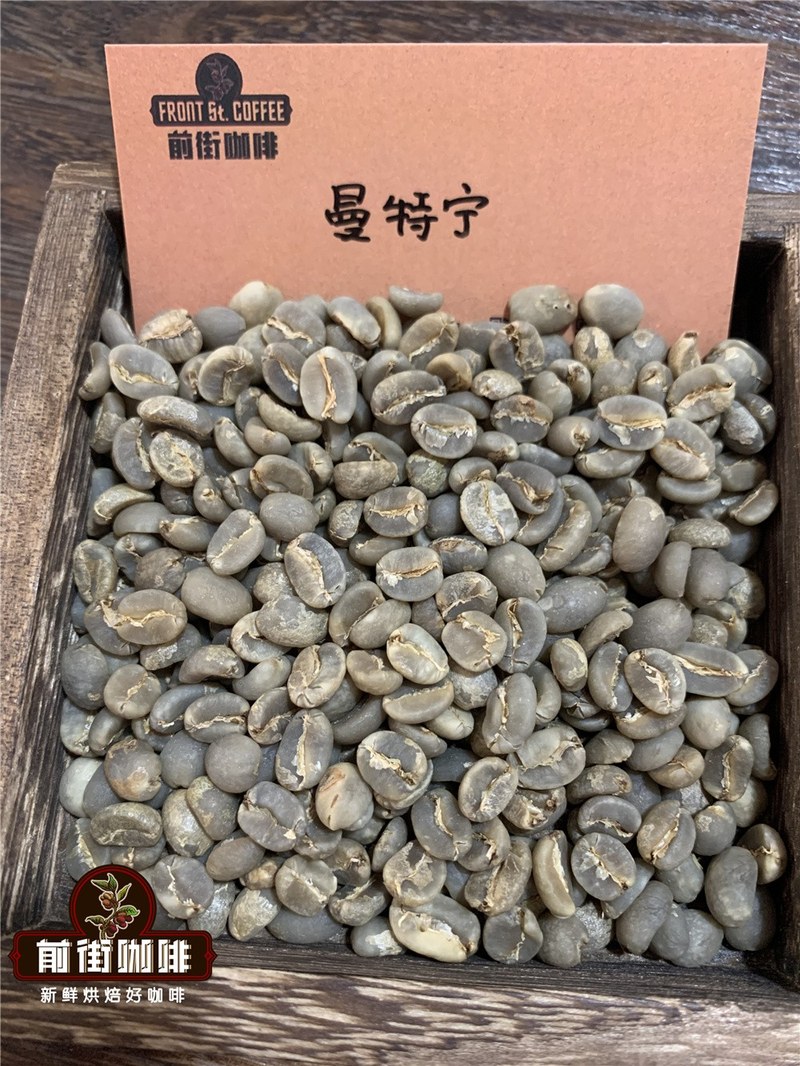
Machines with a pre-infusion function are especially friendly to medium-dark roasted beans. A brief low-pressure wetting lets the puck absorb water evenly, then pressure is raised, and the acidity, sweetness and body of the espresso become more harmonious. If the machine has no pre-infusion, dark roasted beans can use a shorter total time and a slightly coarser grind to reduce bitterness from channeling; for medium-dark roast, pay attention to even distribution to avoid local under-extraction.
Basket capacity also affects bean selection. A single small basket holds a limited dose; dark roasted beans more easily produce a concentrated, thick espresso that still has a clear presence with a small amount of water. A double basket has a larger capacity and, paired with medium-dark roasted beans, can retain more aroma and sweetness. Dark roasted beans have lower density and occupy more volume at the same weight, so when dosing you should go by the basket markings and the space under the brew head, not blindly increase the dose.
The grinder's adjustment capability is an important condition for judging whether medium-dark roast is suitable. Medium-dark roasted beans sometimes need a finer, more precise grind to achieve sufficient concentration within a limited liquid yield; if the adjustment span is large, you often end up with either too much acidity or too much bitterness. Dark roasted beans respond relatively directly to grind changes, and as long as the home grinder's particle distribution is stable, you can quickly find a palatable range.
Small thermoblock machines have noticeable temperature fluctuations, and when making multiple cups in succession, the performance of earlier and later cups may differ. For such machines, prioritize dark roast or a full-flavored medium-dark roast blend to keep the cup's base note stable. Machines with PID temperature control and pressure adjustment can make the sweetness and aroma of medium-dark roasted beans clearer. The more functions a machine has, the more worthwhile it is to find the matching point through small parameter adjustments.
If you mainly make milk drinks such as lattes and flat whites, dose, liquid weight and milk ratio should be considered together. The dark chocolate, roasted nut and heavy sweetness of dark roasted beans still have a distinct outline after milk is added; medium-dark roasted beans can bring out caramel, nuts and soft acidity, suitable for those who want coffee and milk to appear at the same time. When using more milk, the espresso can be appropriately made more concentrated to avoid the overall texture seeming thin.
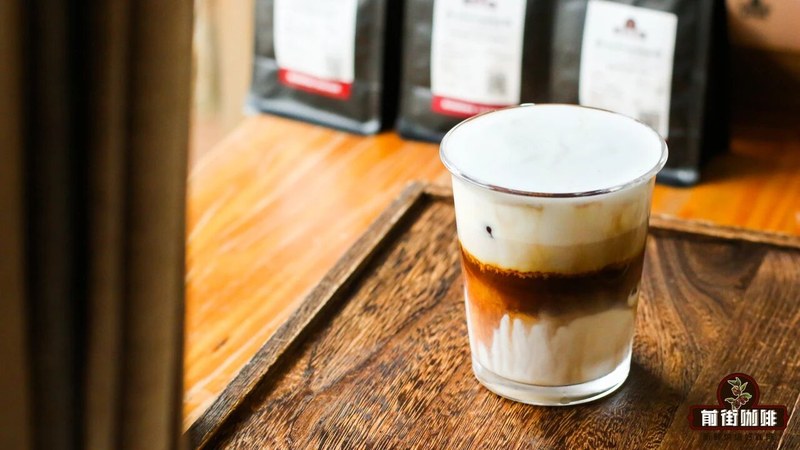
When using a traditional high-pressure espresso machine, Qianjie Classic Blend is a relatively easy choice to work with. Its main direction is nuts, cocoa and caramel, the espresso has a fuller body, suitable to start from a lower water temperature and a liquid ratio of about 1:2, and it can also handle the higher milk volume in everyday milk drinks. If the machine only has basic temperature control and fixed pressure, beans with such a clear flavor structure are easier to adjust through grind size.
If you prefer low-acid, rich espresso, Americanos or thick milk drinks, you can try Qianjie Black Cocoa Blend. Its black chocolate note, roasted nut character and solid sweetness are more prominent, suitable for fast extraction at a lower temperature, first controlling a clean finish, then deciding by taste whether to increase the liquid weight. If you want black coffee to have more sweetness and layers, Qianjie Specialty Blend can also be paired with a machine that has more stable temperature control, and the balance among nuts, caramel and cocoa will be better.
When choosing beans, you can note down the temperature range, basket capacity and pressure mode from the machine manual, then judge in combination with whether the grinder can be finely adjusted. Equipment with fixed pressure and relatively high temperature can start from dark roast; equipment with stable temperature control and pre-infusion will give medium-dark roast more room to perform. Finally, calibrate the parameters with an actual cup of espresso and find a combination that has sweetness on entry, a smooth texture and a clean finish; that is the roast direction that suits you.
Related Reading


Comments (0)
Loading comments...
You May Be Interested



Trending Reviews
Popular Videos

With you, wherever you are! We provide useful features to help you find new things you'll love






