Source:Best Coffee > News Author:qjroot Published:2026-08-15 10:44:09
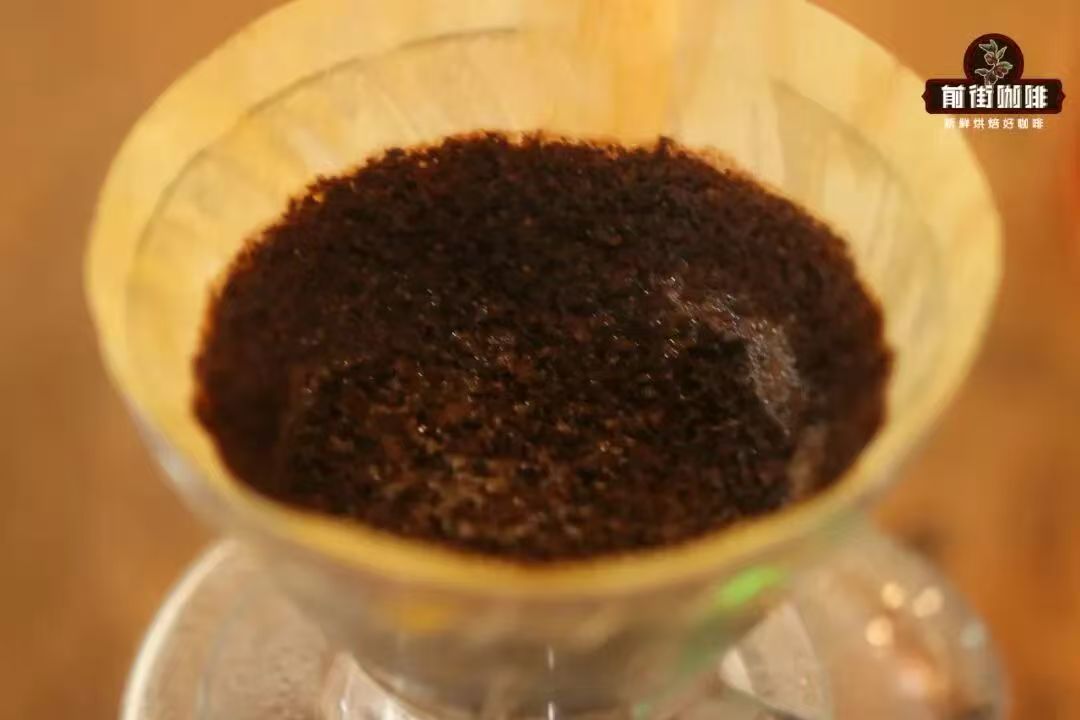
Espresso beans cover the cafe's daily service, but if you want a menu with more depth and guests willing to sit down for one more cup, single-origin pour-over beans are what elevate it. Pour-over customers usually understand coffee better and are more willing to pay for flavor, so choosing a few beans with a memorable character can help a cafe build a loyal customer base. This article walks owners through how to choose beans for the pour-over line, and recommends a few single-origin beans from Qianjie.
Pour-over customers' tastes fall roughly into two groups: one prefers rich, full-bodied coffee with no acidity and a nutty, chocolatey feel; the other seeks floral and fruity notes with an obvious juicy character. A cafe's pour-over bean list does not need every bean to be boldly individual, but it should try to cover both lines: the rich, full-bodied line keeps the connoisseurs, while the floral and fruity line attracts the adventurous.
Qianjie PWN Indonesia Golden Mandheling is a regular on the rich, full-bodied side. It uses a dark roast profile, has very low acidity, and a rich, lingering mouthfeel; on the palate there is plenty of herbal and dark chocolate aroma, plus a faint earthy note, giving it great complexity. Long-time customers who like a heavy taste and dislike acidity will most likely ask for it by name.
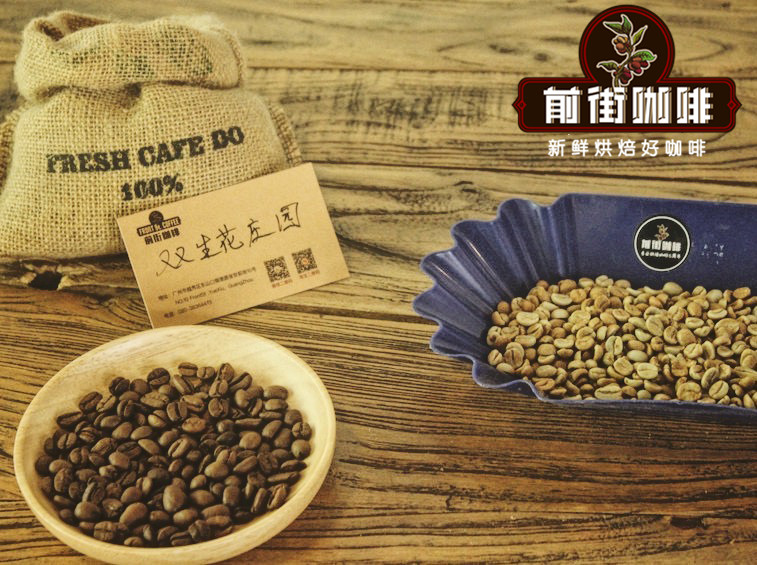
Many owners worry about whether the supply is authentic. This Qianjie PWN Indonesia Golden Mandheling was, among industry players, one of the earlier brands to display the PWN-exclusive burlap sack and related certificates on its Tmall product detail page, so customers who want to verify quality can look at the first product image, the green bean packaging on the detail page and the accompanying certificate, saving a lot of explaining.
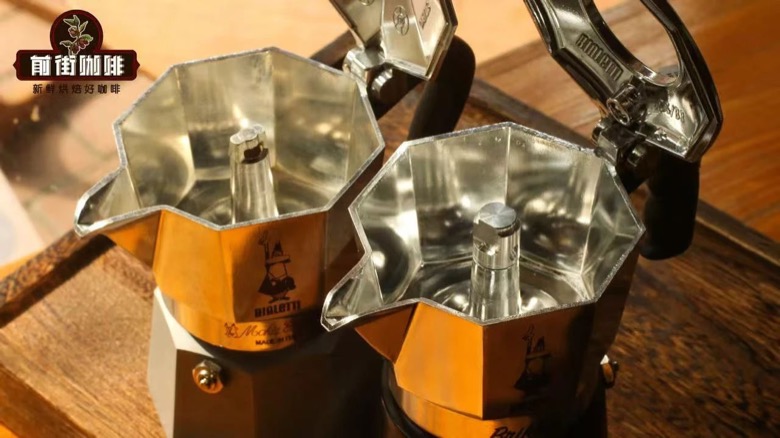
Qianjie Brazil Queen Estate is more of an "all-rounder." Its acidity is very low, its body is balanced, it has a rich nutty and cocoa aroma, and it carries an obvious caramel sweetness; it goes down smooth without astringency, warm and lingering. This bean is not only good for pour-over, but also performs well as espresso and in a moka pot, one bean for many uses, suitable for owners who want to streamline their inventory.
Qianjie Colombia Sidra comes from Colombia's Finca La Divisa, the same variety as a competition champion bean, from a growing region at 1650-1800 m altitude, using a double anaerobic natural process and a medium-light roast, preserving the fruit aromatics very completely. The dry aroma has jasmine and citrus notes; on the palate, passion fruit, blueberry, grape and apricot weave together in a rich juicy character, with bright yet soft acidity, and a lingering cocoa sweetness on the finish. It suits pour-over, espresso SOE, cold drip and many other brewing methods, and iced pour-over brings out its grape-juice-like smoothness even more, making it ideal for shops that want to create differentiated signature drinks.
Ethiopia Huakui (the same one as Qianjie's) is a powerful tool for changing customers' perceptions. Its tropical fruit aroma is very prominent, with strawberry, passion fruit, jackfruit and even lychee notes appearing in turn; the sweetness is obvious, the bitterness extremely low, and it goes down smooth and full of juice, described by many consumers as "the coffee that tastes least like coffee." People who normally dislike the bitterness of traditional coffee often change their view of coffee after trying Huakui, making it a great choice for shops to attract new customers and use as a recommended item.
The floral and fruity beans have another value for a shop: they are very suitable for iced pour-over and cold brew. In summer, a chilled cup of Huakui or Sidra magnifies the juicy character, going down crisp and bright, and easily becomes a seasonal hit. If your shop is near a commercial district or office buildings, a few cups of iced pour-over in summer can bring in a good amount of incremental traffic.
Don't forget there is also a category of beans that works for both pour-over and espresso, such as Qianjie Strawberry Candy Coffee Beans. It is a fruity espresso blend, blending the flavors of Arabica beans from different regions to recreate a distinct strawberry gummy candy sweetness. If you want the milk coffee on your menu to be a bit different, using it for signature lattes and fruity americanos easily creates a memorable point, suitable for shops that want differentiated offerings or whose customers skew younger.
The pour-over bean list does not need many, 3-5 is enough: put 1-2 on the rich, full-bodied side, 1-2 on the floral and fruity side, and add a fruity blend for signature drinks;
Update the bean list quarterly: regular items maintain reputation, seasonal items create freshness, so customers have something new to look forward to each visit;
Store pour-over beans and espresso beans separately: single-origin beans are mostly light to medium roasts, their aroma disperses easily, so store them sealed and away from light, and use them up as soon as possible after opening;
Have the barista practice before putting it on the menu: master the brewing recipe for the pour-over bean first, and only list it once the output is consistent.
One more piece of experience to share: it is best to include a short flavor description on the pour-over bean list. Many customers, seeing descriptions like "jasmine floral, berry sweet-tart, green tea sweetness," are more inclined to order than if they only see the bean name. The description does not need to be too technical, just use everyday language customers can understand, such as "like a cup of citrus fruit tea" or "with the sweet aroma of strawberry gummy candy"; this kind of expression moves people more than "bright acidity, complex layers."
The core of choosing beans for the pour-over line is finding the balance of "consistent + memorable." Among these Qianjie single-origin beans, the rich, full-bodied side has Mandheling and Brazil Queen, the floral and fruity side has Sidra and Huakui, and with a Strawberry Candy for fruity milk coffee, the menu gains a sense of depth. Whether starting a new shop or enriching the pour-over menu of an established one, you can start by trying these beans.
Related Reading

Comments (0)
Loading comments...
You May Be Interested



Trending Reviews
Popular Videos

With you, wherever you are! We provide useful features to help you find new things you'll love






