Source:Best Coffee > News Author:qjroot Published:2026-09-22 13:47:57
Many friends make lattes at home, and when they take a sip, they can't help but frown, feeling the bitterness is too heavy and covers up the milk's fresh sweetness. Actually, a good latte should be like a fragrant liquid dessert. The reason it tastes bitter is often not that too little milk was added, but that the wrong coffee beans were chosen, with the wrong terroir behind them. The soil and climate of different origins give coffee completely different characters, and only by finding the right terroir can you say goodbye to scorched bitterness.
The world's coffee origins can be roughly divided into three major regions, each playing a completely different role in milk coffee. African beans carry bright floral and fruity acidity, Central and South American origins are rich in gentle nutty and cocoa notes, while Asian origins are known for deep, mellow herbal spices and a solid, full body. If you force the inherently heavy, dark brown terroir into milk coffee, people sensitive to bitterness will naturally find it hard to drink.
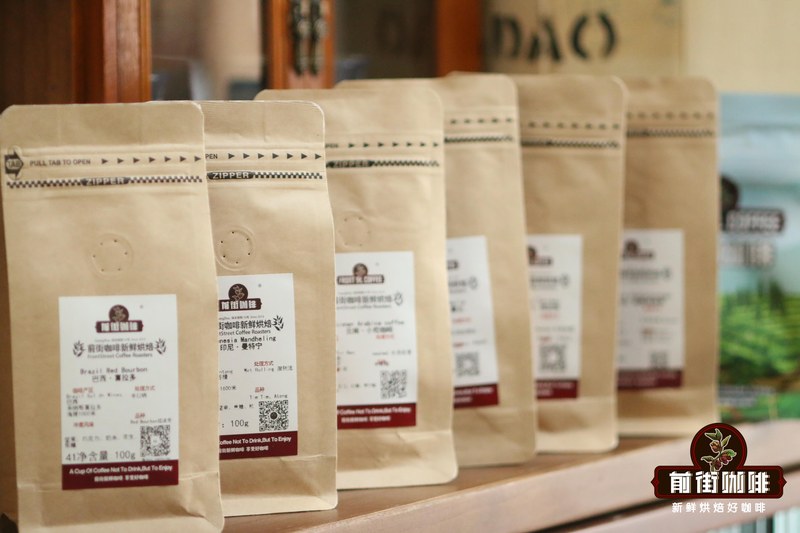
If you are especially sensitive to bitterness and like a fresh, light taste like fruit juice milk, you can set your sights directly on African origins. The high-altitude red soil represented by Ethiopia gives the beans rich floral and berry flavors. The medium-roast Qianjie Sun-Dried Huakui SOE is highly representative; blended with milk, it brings out the sweet aroma of guava and creamy strawberry, with almost no perceptible bitterness, making the whole cup of milk coffee soft and gentle.
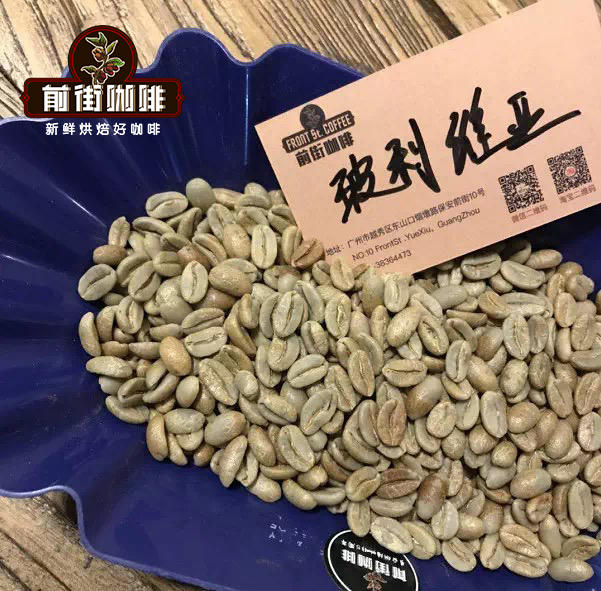
If you want a bit more complexity, you can also try Qianjie Strawberry Candy espresso blend. This blend is specially made for those who prefer floral and fruity notes, cleverly combining the bright character of African and other origins, and under medium roast it gives off the sweet aroma of dried blueberries, orange and almond. The extracted espresso has a plain, gentle aroma, and when it meets milk it immediately becomes a flavored milk like strawberry soft candy, light and playful.
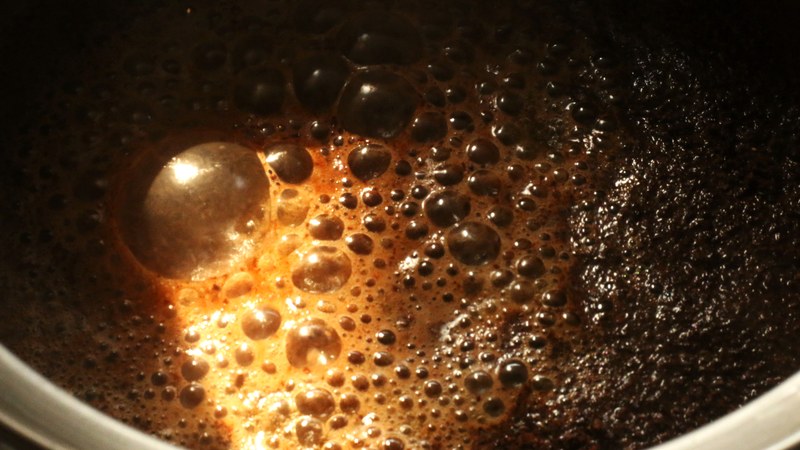
If you prefer that smooth, balanced taste like melted chocolate in classic coffee shops, Central and South American origins are the only choice. The mild climate of Colombia, Brazil or Costa Rica cultivates beans with balanced acidity and bitterness, full of nutty and caramel sweetness. They do not steal the spotlight from the milk; instead, they blend with the milk fat, bringing a sweetness like hazelnut milk candy, suitable for most coffee lovers to drink daily.
Qianjie Black Cocoa Blend is a model of Central and South American terroir blending with Asian terroir. It combines Brazil's nutty creamy aroma with China's Yunnan plum acidity and milk chocolate notes. Made into a latte, the sweet aroma of caramel biscuits and creamy peanuts spreads in the mouth, with almost no sharp bitterness, a smooth and delicate mouthfeel, and a very affordable price, making it especially suitable as an everyday staple bean to wake you up every morning.
For those who love only rich traditional flavors and want a latte with a clear coffee presence, Indonesia's Mandheling from the Asian origin can bring a surprise. Qianjie Classic Blend combines Mandheling's herbal mellowness, Brazil's nutty sweetness, and a small amount of Robusta. Medium-dark roast gives it especially delicate crema, and made into milk coffee it is like biting into hot roasted chestnuts and buttered toast, rich and solid, with distinct layers of flavor.
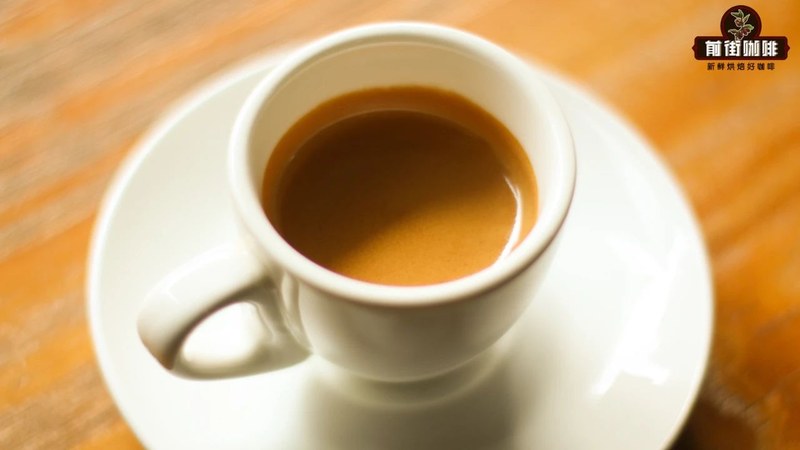
After choosing the right beans, precise extraction is also the key to saying goodbye to bitterness in a latte. When making espresso, weigh 18 g of coffee grounds and extract 36 g of espresso on the coffee machine, with the extraction time falling steadily between 25 and 28 seconds. Then, following a ratio of about one part espresso to six times milk, pour the espresso into 240 g of warm milk, and the aroma of the whole latte can fully unfold, presenting a full caramel sweetness.
Actually, a latte should never be synonymous with bitter and hard to swallow. From the light, lively floral and fruity notes of Africa, to the inclusive, balanced nuts of Central and South America, to the deep, rich herbs of Asia, every terroir has prepared a different aroma gift box for milk. Figure out the taste your tongue craves, then pick a bag of freshly roasted beans you like, and you can easily make a pleasant milk coffee at your own bar counter, at just the right temperature and full of sweet aftertaste.
Related Reading







Comments (0)
Loading comments...
You May Be Interested


Trending Reviews
Popular Videos

With you, wherever you are! We provide useful features to help you find new things you'll love






