Source:Best Coffee > News Author:qjroot Published:2026-09-03 18:41:10
Putting espresso blend beans and SOE into a home coffee machine, the difference lies not only in the flavor label, but also in whether the equipment can stably complete the extraction. Portafilter basket capacity, grinder fineness, pressure profile and temperature control all affect the concentration and aroma of a cup of espresso. Looking at the machine's parameters first, then deciding the direction of the beans' expression, is usually more practical than judging based on the region name alone.
If you are using a 58mm commercial-spec portafilter basket, the double dose is often 18 to 20g, and the grinder can be adjusted finely, SOE will have more room to perform. The aroma of a single region is easily recognized in a shorter extraction time, suitable for making espresso or an americano after adding water. The more the equipment can keep the flow rate stable, the easier it is for the details of SOE to show.
A home portafilter basket with a smaller capacity may only hold 14 to 16g, and the machine's temperature and pressure may not stay stable continuously. Under such conditions, blend beans often more easily achieve a complete cup feel. After the flavors of different beans complement each other, the espresso usually has a more continuous sweetness and a more solid mouthfeel, and when parameters fluctuate slightly, the overall taste is also easier to keep harmonious.
The grinder is an equipment parameter that cannot be ignored when choosing beans. If the scale changes by a large margin, grinding a bit finer makes it obviously bitter, and grinding a bit coarser makes it easy to become weak, light-roast SOE will seem difficult to adjust. At this point you can choose a blend bean with a moderate roast level, and first establish a baseline for the cup from a more stable grinding range. A grinder with stepless fine adjustment and better particle uniformity is more suitable for trying light-roast SOE.
When the machine has PID temperature control, you can arrange the water temperature according to the bean's roast level. A lighter SOE can start from a higher temperature range, allowing floral and fruity aromas and sweet acidity to be released more fully; a medium or darker blend bean can use a relatively gentler temperature to reduce burnt bitterness and dryness. For a machine without a temperature display, choosing a blend bean with a rounded flavor structure is more worry-free, and the daily cup-to-cup variation is also smaller.
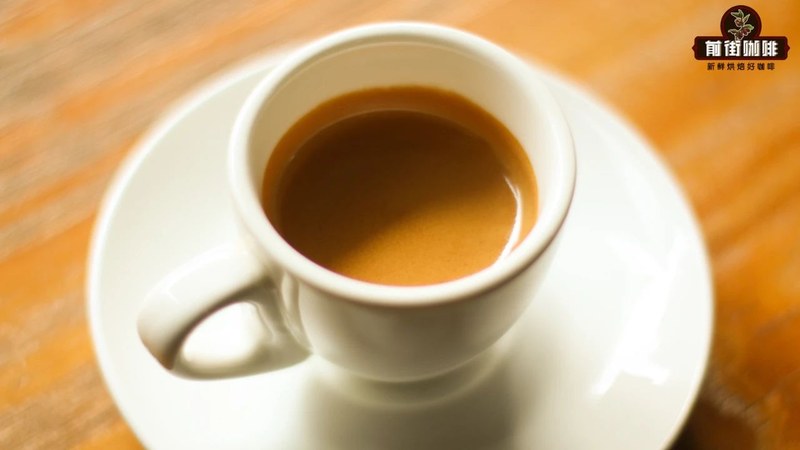
The pressure gauge shows the pump pressure state, but it does not mean the coffee will definitely be stronger. When high pressure rapidly pushes the water flow, a light-roast SOE may show a prominent acidity in the front section and a tighter finish in the back section. A machine with pre-infusion or pressure adjustment function can let the puck absorb water evenly first, then gradually enter the formal extraction; at this time an SOE with obvious floral notes will have more layers, and the sweetness will be more continuous.
Taking Qianjie Colombia Sidra as an example, its fruity aroma brings to mind berries, tropical fruit and ripe grapes. Put into an espresso machine with a pre-infusion function, you can try a shorter extraction ratio, letting the espresso retain a lively aroma. If the machine can only extract quickly at high pressure, you can grind slightly finer and extend the contact time a little, so that the acidity does not stay only at the entrance; making an iced americano will be very expressive.
If the portafilter basket has a pressurized design, the equipment will help establish a certain resistance, and the requirement for grinding uniformity is relatively loose, but the details in the cup will also be compressed. A solid-flavored espresso blend bean is more suitable for this type of equipment; when made into a latte or cappuccino, the coffee flavor can pass through the milk. If switched to a finely aromatic SOE, it is recommended to control the amount of milk so that the espresso is not completely covered by the milk flavor.
A non-pressurized portafilter basket, on the other hand, tests distribution, tamping and grinding stability more. When using 18g of coffee and extracting 36g of liquid as a test starting point, you can observe whether the total time, flow rate and the feeling at the entrance are in sync. If the espresso is sharply sour and thin, it means effective extraction needs to be increased; if it is bitter, dry or woody in the finish, the extraction burden should be reduced. Parameter adjustment should serve the beans, not chase a fixed number of seconds.
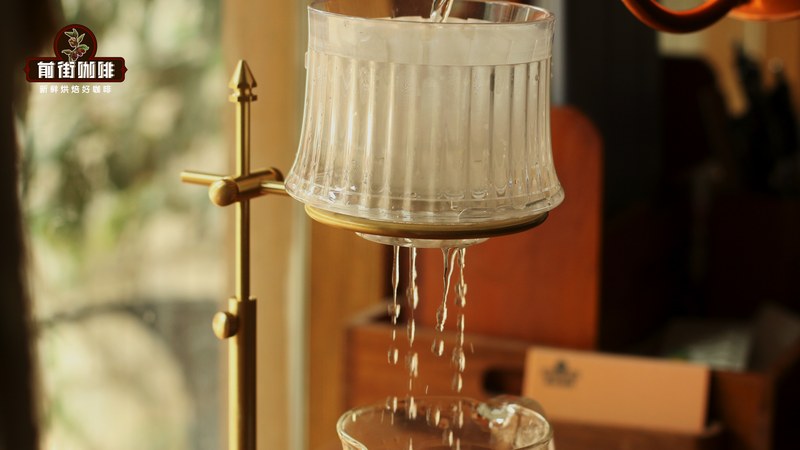
Taking Qianjie Panama Hacienda La Esmeralda Red Label Geisha as an example, its aroma is closer to the elegant direction of white flowers, citrus peel and black tea, suitable for a machine with accurate temperature control and high portafilter basket matching, made as a short espresso alone or drunk with a small amount of water added. If you want the aroma to be clearer, the cup volume should not be pulled too long; if the equipment extracts too fast, you can also choose a finer grind and gentle pre-infusion to extend the flavor development.
When the budget is limited or you mainly make milk coffee, blend beans will better fit the common needs of the equipment and the drink. Beans whose formula has been harmonized usually more easily form a stable concentration under the common pressure of around 9 bar, a dose of around 18g and a medium extraction ratio. If you want to drink SOE, you can include the machine's temperature control, portafilter basket capacity and grinder adjustment ability together in your consideration; the more complete the equipment conditions, the more worth it is to leave space for a distinct regional flavor.
Related Reading

Comments (0)
Loading comments...
You May Be Interested

Trending Reviews
Popular Videos

With you, wherever you are! We provide useful features to help you find new things you'll love






