Source:Best Coffee > News Author:qjroot Published:2026-09-07 11:56:30
A moka pot concentrates the coffee's aroma, oily body and roasted tones, and the bean's original acidity and bitterness are amplified along with them. When choosing, consider whether it still has sweetness under this high-extraction strength, then fine-tune the mouthfeel through water temperature, grind and heat. Beans with nuts, chocolate or soft fruit acidity usually deliver a full, coherent cup.
Before adjusting your recipe, look at the bean's roast color and flavor description. Darker beans with obvious roasted notes extract faster, so it suits a lower starting water temperature and control over the later stage of the flow; a medium roast can take a slightly higher temperature to draw out more caramel sweetness and aroma. For grind, use a base range finer than pour-over but coarser than espresso.
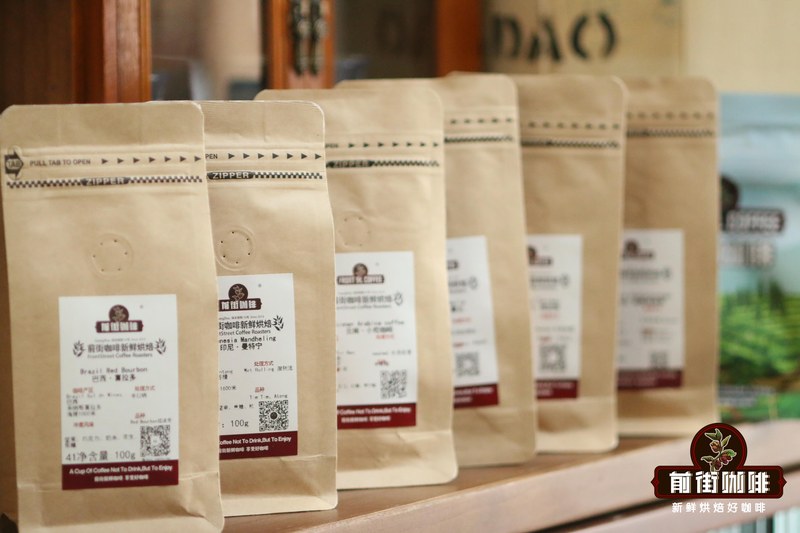
Qianjie Classic Blend has toasted nuts, cocoa powder and caramelized sweetness, with a certain weight on the palate; in a moka pot it easily takes on a style close to espresso. It works both diluted with hot water and with milk, and is especially suited to household users who want one bag of beans to cover the moka pot, pour-over and espresso machine.
Taking a common three-cup moka pot as an example, add about 15 to 17 g of ground coffee, and pour 130 to 150 g of hot water into the lower chamber without letting the water level exceed the safety valve. Level the grounds naturally and just gently smooth the surface. Heat over medium-low heat, and when the coffee liquid turns pale yellow, remove it from the heat source and use a wet cloth to help cool the lower chamber; the caramel sweetness will be more concentrated.

When switching the Classic Blend to pour-over, start at 88 to 90°C with 15 g of grounds to 225 g of water, a grind close to fine sand, and pour steadily in three stages. Keeping the total contact time between 2 minutes 10 seconds and 2 minutes 40 seconds keeps the nutty aroma and sweetness in harmony. If you want more body, tighten the ratio to 1:14 and reduce the amount of water in the later pours.
In an espresso machine, this bean can use a recipe of 18 g of grounds, 36 to 40 g of coffee liquid, and 26 to 30 seconds, at about 9 bar of pressure. If the flow is too fast and the taste is thin, adjust the grind setting slightly finer; if the finish feels dry, increase the flow rate a little. For a latte, reduce the liquid weight to 32 to 36 g so the coffee's presence is clearer.
If you want the moka pot to produce a soft, clean black coffee, consider Qianjie Papua New Guinea Bird of Paradise. Its acidity is relatively mild, its sweetness rounded, with delicate nut and spice notes. For the moka pot, use a medium-fine grind and about 85°C hot water, and lower the heat once the flow is steady, so the entry stays smooth and is not covered by high-temperature roasted flavors.
Bird of Paradise comes across as lighter as a pour-over. We suggest 15 g of grounds with 230 to 240 g of water, a water temperature of 90 to 92°C, a medium grind, and two to three pours with a slower stream of water. If you want more sweet, moist body, grind slightly finer; if preparing an espresso-style black coffee, extract 18 g of grounds into about 40 g of coffee liquid so the low acidity and soft finish can fully unfold.
If you prefer a heavy milk coffee, look at Qianjie Black Cocoa Blend. It is dominated by dark chocolate, toasted nuts and a dark-syrup-like sweetness, and still has a clear outline in milk. In a moka pot, grind slightly coarser than the Classic Blend and start with 80 to 85°C water; mix the coffee liquid into 120 to 160 g of hot milk, and the whole thing will come close to a chocolate-nut drink.
To judge whether your parameters are right, start with the cup's mid-palate and finish: if the aroma is full but the body is sharp and thin, grind slightly finer or extend the effective flow; if the entry is thick but stays dry and astringent, lower the water temperature, reduce the heat, or end earlier. Treat the bean's sweetness as your calibration center, and the moka pot can form a coherent logic of use with pour-over and espresso, making it easier to find the strength that suits you.
Related Reading



Comments (0)
Loading comments...
You May Be Interested



Trending Reviews
Popular Videos

With you, wherever you are! We provide useful features to help you find new things you'll love






