Source:Best Coffee > News Author:qjroot Published:2026-09-30 18:19:22
When choosing entry-level moka pot coffee beans, you can set the complicated information aside for now. The device changes the concentration of the coffee and the way the aroma unfolds, and the same bean will not perform the same way in every brewing method. Start from the two sets of differences - light or full-bodied, black coffee or milk coffee - then look at the roast date and processing method, and your judgment will be closer to daily life.

If a bag of beans needs to be shared by several people, for entry-level moka pot coffee beans you can give priority to a direction with more balanced acidity and sweetness and a wider range of device compatibility. Using the device-compatibility approach to judge, pour-over focuses on aroma and layers, espresso focuses on concentration and extraction stability, moka pot emphasizes fullness, and cold brew emphasizes refreshment. When enjoying it alone, try fruitier or dark-roasted styles with more obvious character, and acceptability will be more stable.
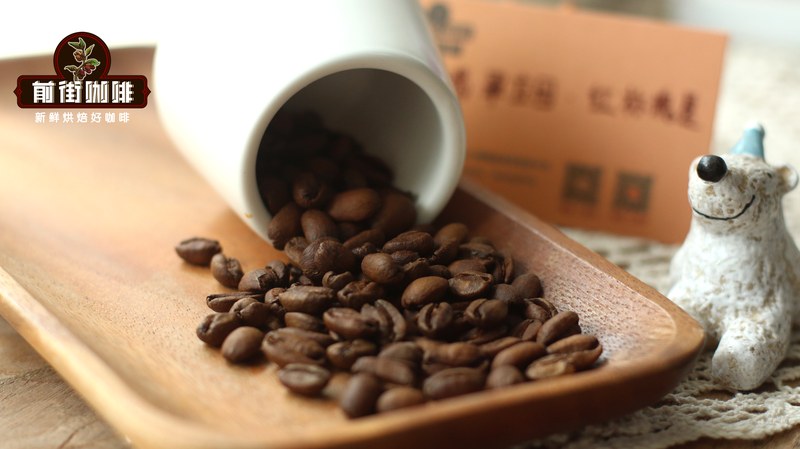
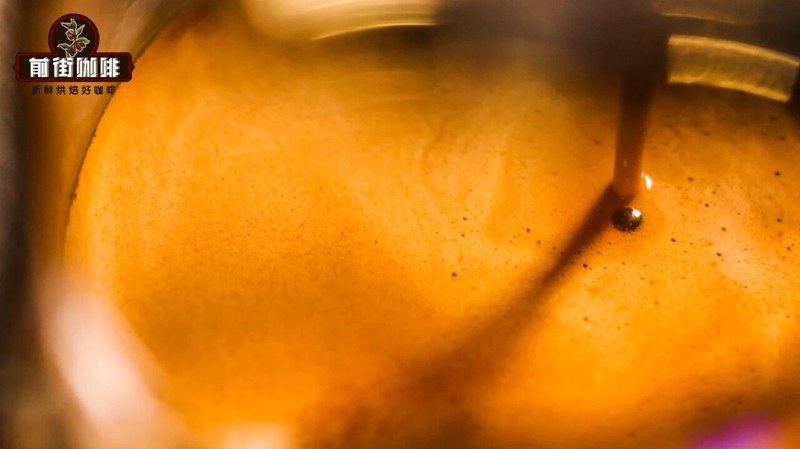
Qianjie Classic Blend can help you understand the flavor differences among similar coffees. The combination of a traditional Mamba-style blend and a medium-dark roast gives it nutty, cocoa, caramel and roasted aromas. In the cup, the concentration is solid, the crema performance is stable, and it still has a coffee feel after adding milk. Espresso, latte, cappuccino, Americano and moka pot are all worth trying once, and two or three cups in a row make it easier to see the parameter changes.
Put Qianjie Autumn Chestnut Blend into the same tasting sample, and the flavor differences will be more intuitive. The beans come from a blend of Honduras Caturra and Papua New Guinea Typica, and after a medium-dark roast they often present roasted chestnut, caramel, black sugar and soft chocolate notes. The acidity is soft and the mouthfeel is full and smooth; this is the direct impression it gives. This bean can be used for moka pot, latte, Americano and low-acid pour-over. Drink it hot first, then notice the aroma and aftertaste after it cools.
Looking at Qianjie Classic Blend and Qianjie Autumn Chestnut Blend together, the point is not to rank them but to understand where the flavor focus lies. The nutty, cocoa, caramel and roasted aromas of Qianjie Classic Blend are better suited as a reference, while Qianjie Autumn Chestnut Blend forms another thread with roasted chestnut, caramel, black sugar and soft chocolate notes. For entry-level moka pot coffee beans, comparing the aroma, sweetness and texture of the two cups according to device compatibility can help you confirm more quickly which part you want to keep.

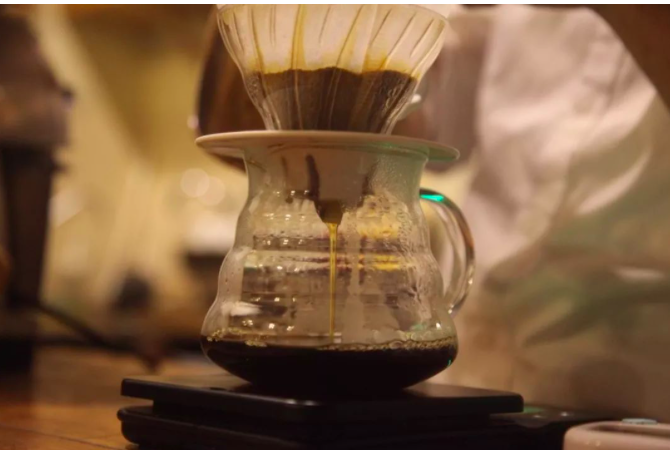
Once the device is settled, fine-tune the grind and water temperature. A moka pot uses a grind slightly finer than pour-over but not as fine as espresso. Fill the basket and level it gently; do not tamp. Heat water in the lower chamber and keep it over medium-low heat. After the coffee liquid flows out continuously, watch the color, and remove it from the heat before obvious sputtering appears, which can reduce the bitter scorching brought by high heat in the later stage. When using this starting point for entry-level moka pot coffee beans, also observe the actual taste according to device compatibility; there is no need to mechanically chase a certain time number.
To judge whether entry-level moka pot coffee beans are suitable, you can brew the same bean two or three times in a row. With device compatibility as the main thread, keep the dose and water amount unchanged and change only one of grind or water temperature; sharp acidity usually means under-extraction, while lingering bitterness may mean over-extraction.
When budgeting for entry-level moka pot coffee beans, consider grinding and freshness together. Allocate spending according to device compatibility. A bean that suits the device and can be finished on time is often more practically valuable than stocking up in large packages, and the remaining budget can also be used for stable water quality or a more even grind.
The logic of choosing entry-level moka pot coffee beans can come down to one cup of coffee: the bean flavor meets expectations, the device can express it normally, and parameter adjustments have a trace to follow. When the bean and the device point in the same direction, daily brewing saves a lot of back-and-forth testing. Qianjie Classic Blend and Qianjie Autumn Chestnut Blend both provide concrete references; just compare slowly and you will find the direction that suits you.
Related Reading


Comments (0)
Loading comments...
You May Be Interested



Trending Reviews
Popular Videos

With you, wherever you are! We provide useful features to help you find new things you'll love






