Source:Best Coffee > News Author:qjroot Published:2026-08-18 12:33:45
In the world of coffee processing methods, washed and natural are two well-known routes: the former clean and bright, the latter rich in fruit aromas. Sandwiched between the two, honey processing has rapidly risen to popularity in Central and South American origins in recent years, thanks to its fuller sweetness and softer fruit acidity. For many enthusiasts who are used to washed beans and want to try something different, honey processing is a great entry point for moving up.
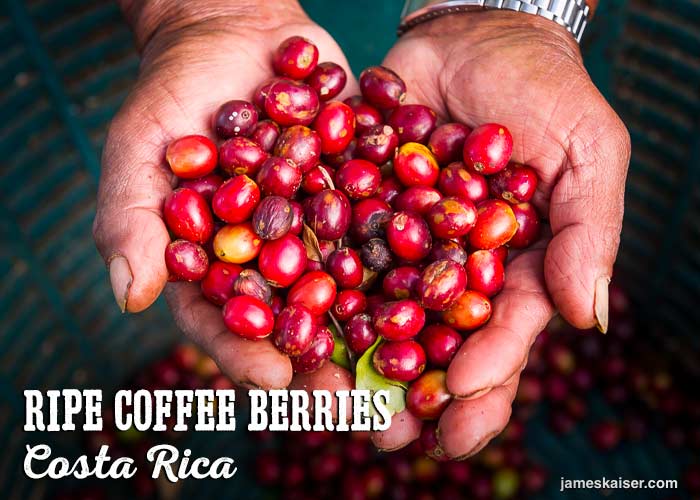
After the coffee cherry is stripped of its skin and pulp, a sugar-rich layer of mucilage remains on the surface of the bean. The washed method rinses the mucilage clean, while the natural method dries the whole cherry, skin, pulp and all. Honey processing sits between the two: the skin and pulp are removed, but part of the mucilage is kept and the beans are dried with the mucilage still on them. The sugars in the mucilage slowly seep into the bean during drying, creating the signature sweetness of honey processing. The word "honey" refers to this sticky mucilage layer; no actual honey is added during processing.
Based on how much mucilage is retained and how long the beans are dried, honey processing is often subdivided into yellow honey, red honey and black honey. Yellow honey retains less mucilage and dries quickly, giving a style closer to the clean transparency of washed coffee; red honey retains more mucilage, with more pronounced sweetness and fruitiness; black honey retains nearly all the mucilage, takes a long time to dry and is labor-intensive, and the resulting beans often carry a thick brown-sugar sweetness and fermented fruit aromas. The more mucilage retained, the harder it is to manage; if the beans are not turned and dried promptly, they easily grow moldy and develop off-flavors, which makes black honey a particularly labor-intensive processing method.
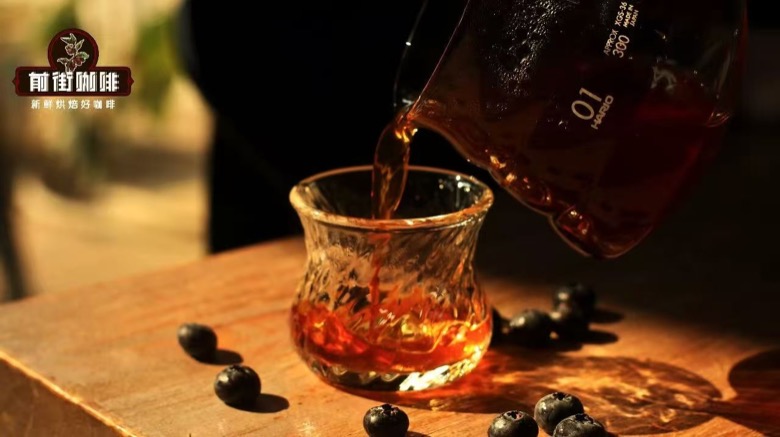
Overall, honey-processed coffee is sweeter and has a thicker body than washed beans, and is cleaner with fewer off-flavors than natural beans. Common flavors include honey, brown sugar, tropical fruit and a slight fermented note, with a round, non-sharp acidity. Washed beans like Qianjie Yirgacheffe Gutingding present a clear floral and fruity aroma with a tea-like sweet aftertaste, whereas honey-processed beans add a dense, syrupy texture on top of a similar floral and fruity base. Tasting the two side by side makes it very intuitive to understand how processing method affects flavor.
Honey-processed beans usually have solid sweetness and a balanced structure, making them quite friendly for pour-over. A medium-fine grind is recommended, with a water temperature around 90 degrees, using the common three-pour method and keeping the extraction time between two and two and a half minutes. If the cup tastes thin on sweetness, you can adjust the grind one step finer or extend the final pour so the sugars extract more fully; if it tastes muddy or muddled, simply raise the water temperature slightly and shorten the extraction time.
Once you understand honey processing, you understand the middle ground on the processing spectrum, the transition from clean to rich. Next time you pick beans, why not try this category alongside washed and natural, and feel the gentle sweetness the mucilage leaves in the cup.
Related Reading




Comments (0)
Loading comments...
You May Be Interested






Trending Reviews
Popular Videos

With you, wherever you are! We provide useful features to help you find new things you'll love






