Source:Best Coffee > News Author:qjroot Published:2024-08-14 18:30:49
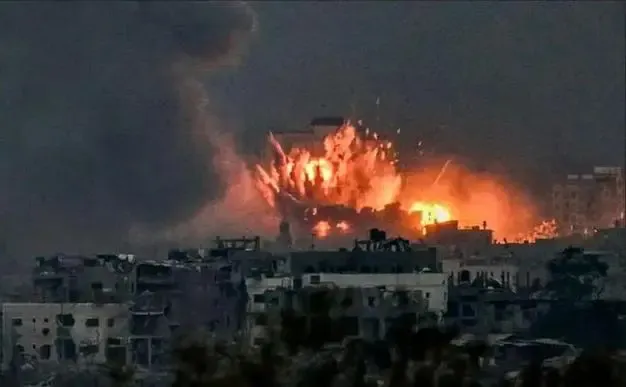
It is reported that on local time August 13, U.S. Central Command posted a message on social media stating that within the past 24 hours, U.S. Central Command forces destroyed two Houthi vessels in the Red Sea. In addition, on local time August 12, according to the Houthis, U.S. and British forces carried out joint airstrikes on Hudaydah province in western Yemen.
Earlier, according to the United Kingdom Maritime Trade Operations (UKMTO), last week a crude oil tanker reported that within 24 hours, the vessel encountered four attacks in the waters near the Port of Mokha branch in Yemen.
It is understood that the vessel was approached by two small boats, which fired a rocket that exploded near the tanker (45 nautical miles south of Mokha). Several hours later, in the early morning, a second attack occurred, exploding near the vessel, and the third also involved approaching and attacking by small boats, after which it was attacked by an unmanned surface vessel and missiles, totaling four attacks.
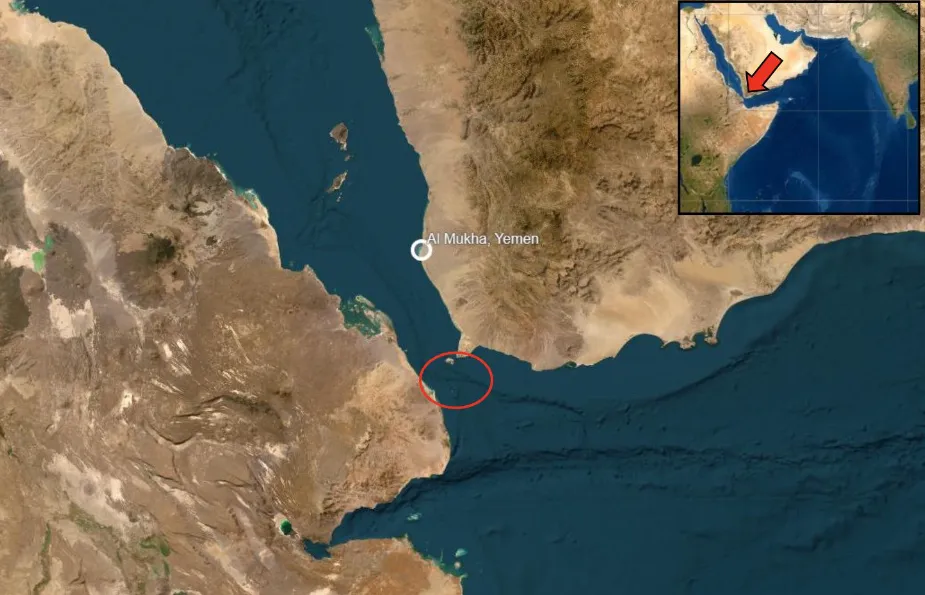
However, according to the vessel's captain, the rocket exploded near the vessel, and the crew and vessel were safe. Although the identity of the attackers has not yet been confirmed, given that the conflict in the region is dominated by the Houthis, and the Houthis have previously frequently attacked vessels, this attack may be related to the Houthis, and maritime security officials are investigating this attack.
Since November 2023, Houthi militants have launched attacks on international shipping in the waters near the Red Sea. According to the Houthis earlier, from last November to mid-July, the number of attacks on vessels by Houthi groups reached 170, but in the period afterward until early August, there was no record of Houthi groups attacking vessels.

But earlier, the Houthi armed group claimed to have attacked the US destroyer USS Cole in the Gulf of Aden with multiple drones, and also attacked the US destroyer USS Laboon with ballistic missiles. In addition, it used multiple ballistic missiles and drones to attack a merchant ship in the Red Sea and "accurately hit the target," but this attack was not confirmed by US officials.
However, the events that have occurred so far show that the situation in the Red Sea region is tense, and the escalation of similar attacks will continue to pose a threat to the safety of international shipping. This has led several shipping companies to suspend transport through the region, or to choose to detour around the Cape of Good Hope in southern Africa. This situation has greatly increased shipping costs and also affected the efficiency of international trade.

Moreover, it also affects the global coffee trade, because the transportation of coffee beans depends almost entirely on maritime shipping. At the same time, it affects multiple coffee-producing countries. For example, if the Eurasia route is affected, Europe will face greatly increased costs and time when purchasing coffee from Asian countries. In addition, some African coffee-producing countries are also affected by the Red Sea situation. For example, Djibouti Port, the main import and export hub for Ethiopia, is located in the Red Sea region, so both import and export operations are hindered.
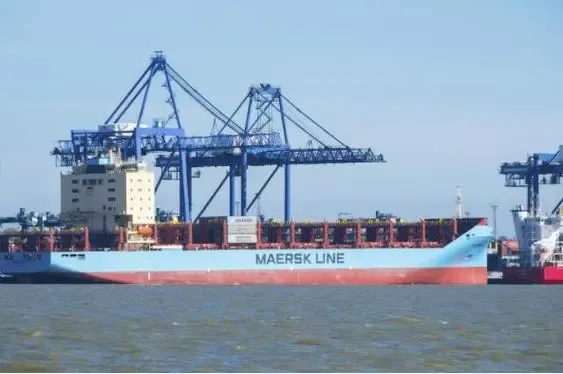
Earlier, global shipping giant Maersk (Maersk) released its financial report, showing that second-quarter net profit fell 45% year on year. The main reason for the decline was supply chain disruption caused by the tense situation in the Red Sea, which in turn pushed up operating costs. In addition, Maersk's CEO said that due to high market demand, the situation in the Red Sea region remains severe, and global supply is expected to continue to come under pressure through the end of this year.
Related Reading







Comments (0)
Loading comments...
You May Be Interested





Trending Reviews
2024-08-17
Popular Videos

With you, wherever you are! We provide useful features to help you find new things you'll love






