Source:Best Coffee > News Author:qjroot Published:2026-09-24 12:46:58
Many friends often find that when they brew single-origin coffee beans at home, the taste seems sometimes strong and sometimes weak, and sometimes it even has a tongue-scraping astringency. In fact, brewing coffee is like simmering a pot of stock: extraction yield represents how much flavor material you have washed out of the coffee grounds, while strength represents the ratio of coffee material to water in the cup. Once you understand the relationship between these two, you can understand exactly how the flavor in the cup changes.
If the coffee on hand tastes sour and thin, it is usually under-extracted; the grind is too coarse, so the hot water rushes through before it has time to bring out enough sugars and aromatic compounds. If it tastes burnt-bitter and prickly on the tongue, it is most likely over-extracted because the grounds were ground too fine. The unpleasant astringency in the finish is often caused by extraction time being dragged out too long, pulling out the undesirable off-flavors from the coffee's woody fibers as well.
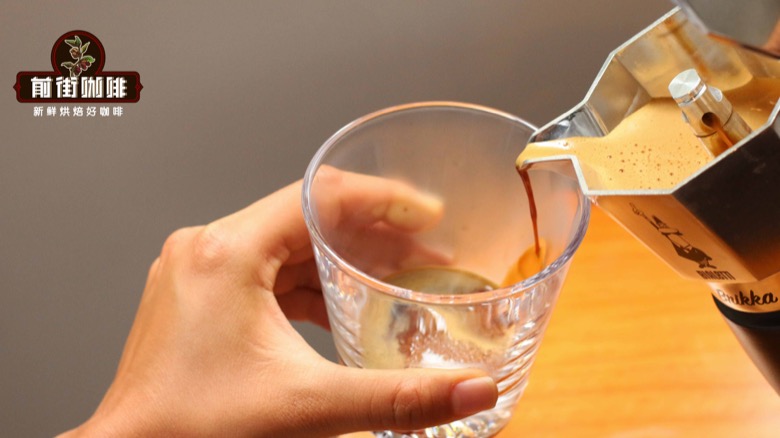
If you want to dial a bag of beans into a smooth, easy-drinking state, the key is to fine-tune the grind size and the yield. Taking the standard espresso parameters recommended by Qianjie as an example, we can use 18.5 g of coffee grounds to extract 37 g of espresso, with extraction time held steady at around 26 seconds. If the shot tastes sharply sour and thin, you can adjust the grind half a step finer; if it tastes bitter and clings to the throat, slightly coarsen the grind to shorten the extraction time.
Once you have mastered the adjustment method, when choosing beans you should consider whether you prefer to drink strong or light. Friends who like a bright, juice-like flavor and are used to adding water to make a large iced Americano are especially suited to choosing Qianjie Huakui SOE coffee. This bean uses a medium roast and carries full natural-process fermented fruit aromas and orange flavors. The extracted crema gives off an elegant citrus aroma, and when diluted with water it tastes refreshing, with floral notes that linger for a long time.
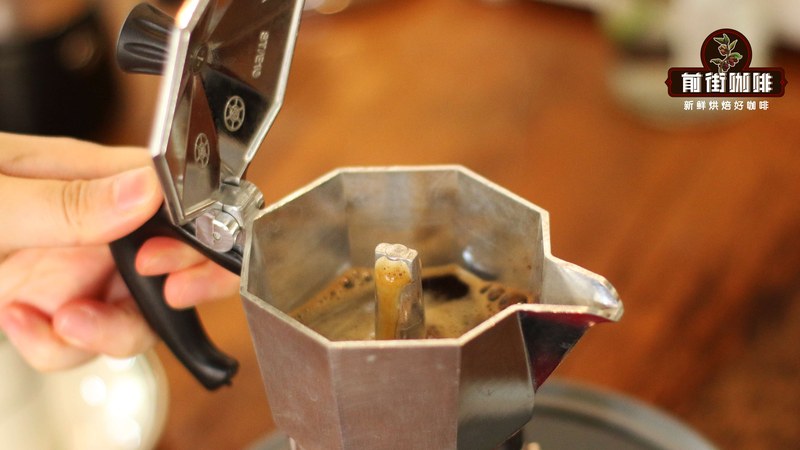
Also well suited to being made into a refreshing long drink is Qianjie Grana Geisha SOE coffee. Geisha produced at a high-altitude estate in Ethiopia retains a bright flavor profile through natural processing. After extraction and dilution with water to make an Americano, you can taste abundant berry acidity and ripe plum aromas on the palate, with a light body and a long oolong-tea-like aftertaste; made into a thin milk coffee, it is especially fresh and elegant.
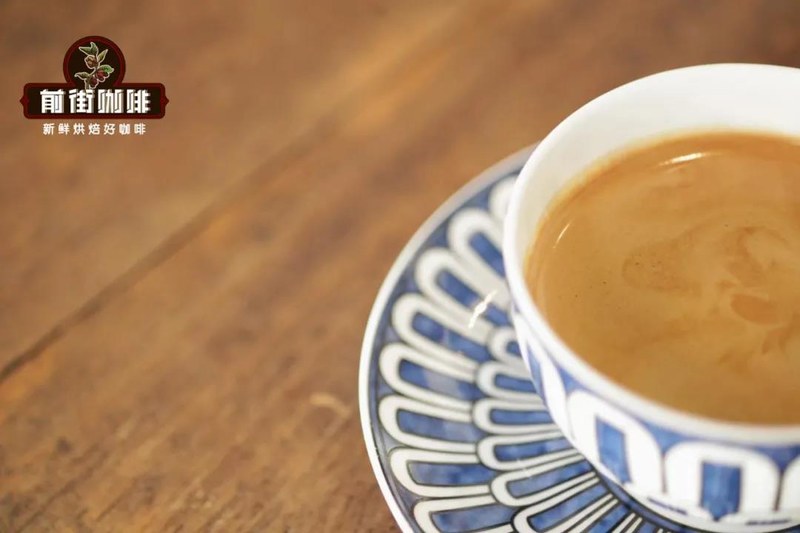
If you prefer a rich, complex, mixed-juice feel, Qianjie Xizhua SOE coffee performs in a truly stunning way. It comes from Finca La Dividencia in the Huila region of Colombia, and its special double anaerobic natural process and medium roast give it a bold aroma. Made as espresso, it has clear blueberry juice and passion fruit flavors; after dilution with water, the acidity and sweetness are balanced, as if you were drinking a glass of freshly pressed, vivid juice.
If you are more accustomed to drinking espresso directly in big gulps, or you like rich, thick milk coffee, then medium-dark roasted beans can better satisfy the need for a strong drink. For example, Qianjie Queen's Estate SOE coffee has especially mellow, rich aromas of nuts, cream and peanut. The extracted espresso has abundant, dense crema, and the finish is full of dark chocolate sweetness; even when mixed into a large cup of milk, the aroma still fills the air.
Friends who pursue a mellow, enveloping mouthfeel and herbal aromas must not miss Qianjie PWN Golden Mandheling SOE coffee. The beans, rigorously hand-sorted, have an extremely low defect rate, and under a medium-dark roast they present signature spice, sandalwood and caramel notes. This bag of beans is very resistant to extraction; the coffee liquid that flows out is thick and smooth, and the dark chocolate aroma in the aftertaste layers upon layers, so sipping it slowly can leave you savoring it for a very, very long time.
Brewing coffee is like a delicate balancing game. Start from your own taste preferences when choosing beans, then fine-tune the parameters according to extraction yield and strength, and you can bring the beautiful aromas of every bean to just the right state. Whether it is a bright, sweet-and-sour fruit flavor or a steady, rich nutty solidity, as long as you fine-tune in accordance with the bean's personality, every cup of coffee can be smooth and delicious.
Related Reading



Comments (0)
Loading comments...
You May Be Interested


Trending Reviews
Popular Videos

With you, wherever you are! We provide useful features to help you find new things you'll love






