Source:Best Coffee > News Author:qjroot Published:2026-09-16 02:07:24
When you get fresh medium-light Yirgacheffe, people usually expect white floral notes and citrus tones to bloom in the cup. Extracting these delicate flavors fully depends heavily on brew parameter settings. Fluctuations in water temperature, the precision of the coffee-to-water ratio, and the rhythm of pouring water onto the coffee bed all change the rate at which coffee compounds dissolve. Fine-tuning the details according to the bean's characteristics can make the acidity soft and rounded, greatly enhancing the lingering aroma.
There is a practical principle for adjusting parameters. For light-roasted beans with bright fruity acidity, you can brew with slightly lower water temperature, effectively avoiding astringency and preserving crisp acidity. Conversely, for coffee beans roasted darker and pursuing a rich, full body, you can use slightly higher water temperature to draw out the full-bodied compounds. With this approach in mind when examining the beans, then setting the corresponding dose and time, you can easily improve your brewing success rate and make the flavors fuller.
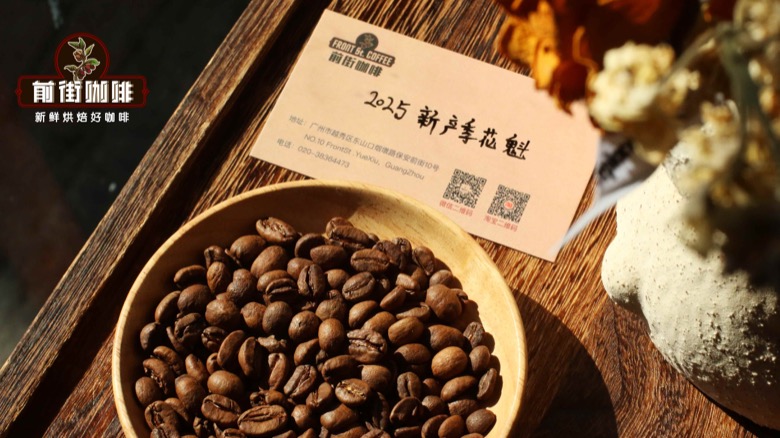
Take Qianjie Yirgacheffe Gudingding as an example; this bean gives off a fresh vegetal aroma. With proper brewing, it reveals an aroma like peeling a fresh citrus peel, with a light berry sweetness and acidity in the middle, and finally a delicate green tea-like sweet finish on the palate. Because it is a light roast, the flavor leans bright and lively, and when brewing we need to pay extra attention to water temperature to avoid a high-temperature pour destroying the crisp layers.
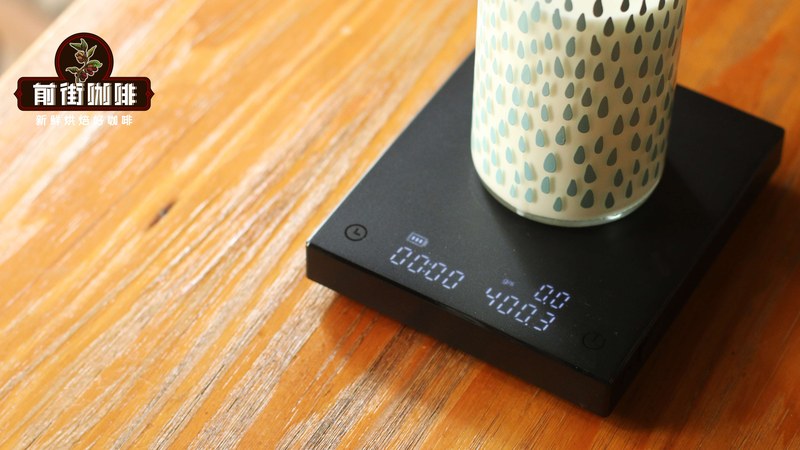
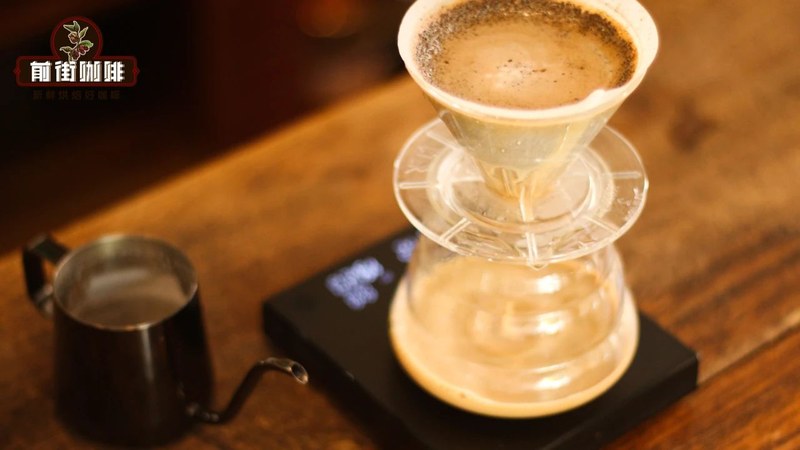
To amplify its citrus and berry notes, a slightly lower water temperature of 89 °C is recommended. Accurately weigh 15 g of coffee grounds, pair with 225 ml of water, set the coffee-to-water ratio at 1:15, and control the total time at 2 minutes 10 seconds. Use a three-pour method: first pour a small amount of water to bloom, then pour the second, larger pour in a circular motion, and after the water level drops, pour in the remaining water. This staged extraction allows the floral notes to be fully released.
The slightly lower water temperature combined with the three-pour rhythm fits perfectly with its bright acidity. The lower temperature suppresses the release of bitter compounds, making the berry sweetness and acidity appear more transparent and clean. Pouring in stages appropriately increases the agitation of the water on the coffee bed, helping water evenly penetrate the coffee particles. With this combination of parameters, the whole cup is not only aromatic, but the long green tea-like sweet finish at the end is also especially clear, making it effortless to drink.
If you want to make a refreshing iced pour-over, the parameters need to change accordingly. The water temperature can be adjusted slightly to 90 °C, keep the dose at 15 g, reduce the hot water to 150 ml, and place 75 g of ice in the server in advance, shortening the total time to 1 minute 50 seconds. Change to a two-pour method: after blooming, directly pour the remaining hot water slowly. The highly concentrated coffee liquid instantly meets the ice and cools down, locking the crisp acidity firmly in the cup, with an extremely crisp mouthfeel.
If you want to taste a fuller juicy feel, Qianjie Colombia Sidra is an excellent comparison. It is rich in a complex fruity flavor of passion fruit, blueberry and grape, with a bold aroma and obvious ripe fruit sweetness. To adapt to a fast-paced office, many people make it into a drip bag to drink. Drip bag filter paper usually drains quickly, so we need to make reverse adjustments to the parameters to ensure enough contact time between hot water and grounds, fully extracting the rich juicy feel.
When brewing this light-roasted fruity drip bag, it is recommended to adjust the water temperature slightly to 91 °C. Because drip bags flow quickly, a slight temperature increase can compensate for the lack of contact time. Prepare a 10 g drip bag, pour in 150 ml of hot water, and keep the total time at 1 minute 30 seconds. Use a two-pour method: first pour a small amount of hot water to wet the coffee bed, then slowly pour until the filter bag is eight-tenths full, and after the water level drops, top up with the remaining water.
Raising the temperature a little with the two-stage slow pouring effectively extends the extraction journey of this light-roasted bean in the filter bag. Stimulated by 91 °C hot water, the blueberry and grape flavor molecules can dissolve into the water more quickly, compensating for the thin, weak feeling easily caused by a thin coffee bed. Through these two steady pours, the resulting drip bag coffee can also have a solid sweetness and rich passion fruit aroma like a pour-over.
Whether pursuing floral notes or a juicy feel, the interaction between water temperature and pouring method plays a key role. Coffee beans are like a treasure trove containing flavor codes, and brew parameters are the key to unlocking the code. As long as you keenly perceive the bean's roast level and flexibly apply the principle of slightly lower water temperature to protect acidity and slightly higher water temperature to enhance body, you can easily control the flavor direction. Every careful pour of hot water is a deep conversation with the coffee.
Related Reading


Comments (0)
Loading comments...
You May Be Interested

Trending Reviews
Popular Videos

With you, wherever you are! We provide useful features to help you find new things you'll love






