Source:Best Coffee > News Author:qjroot Published:2026-10-09 09:32:33
The coffee flavors of the Indonesian archipelago are tightly intertwined with the geography and climate of this equatorial volcanic belt. Java, Sumatra and Sulawesi form the triangular framework of premium growing regions, while the Mandheling produced around Lake Toba in Sumatra's Lintong region, thanks to the locally unique wet-hulling process, has formed a flavor label with particularly high recognition on the global coffee map. The core of wet-hulling lies in removing the parchment from the coffee fruit while it is in a half-dry, half-wet state, leaving the green beans exposed to the air to complete drying. During this process, the full contact between the beans and the environment gives rise to an underlying aroma woven from herbs and spices, and also lays a rich, heavy foundation for subsequent roasting. Understanding this processing logic is the starting point for truly understanding Indonesian coffee.
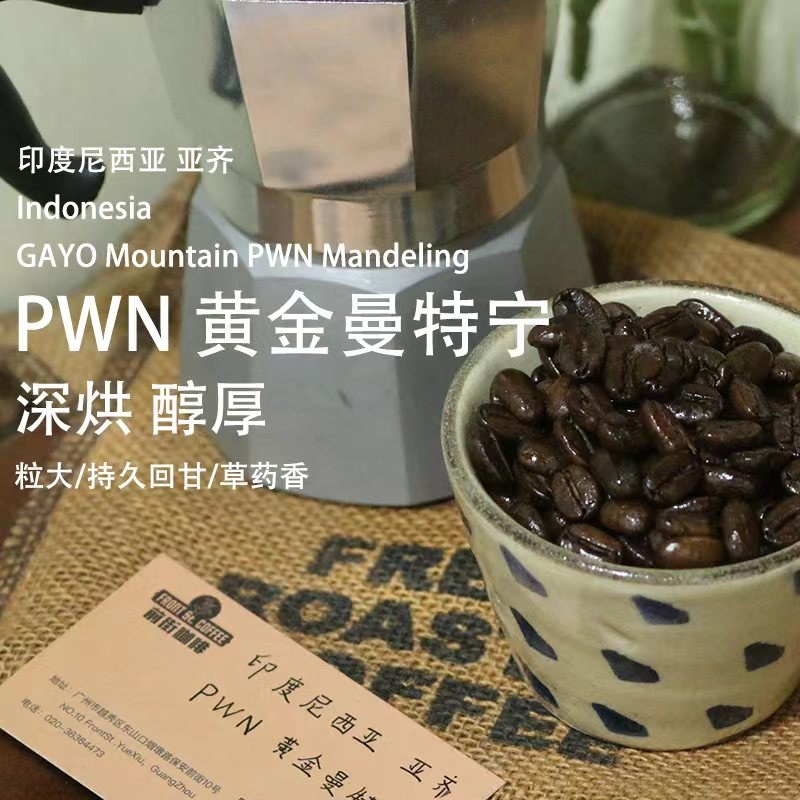
Breaking down the flavor in the cup, Indonesian coffee presents a clear sensory profile. The aroma direction is built on herbs, spices and sandalwood, releasing rich notes of roasted hazelnut, caramel and dark chocolate after roasting. The acidity is low and soft, not a bright, lively citrus acidity, but closer to the warm acidity of ripe fruit, taking a supporting role in the overall structure. The sweetness is mainly the deep-toned sweetness brought by caramelization and the Maillard reaction, and the body is full and solid, with a noticeable weight on the palate. A long finish is the signature closing note of this region, with sandalwood and dark chocolate notes lingering persistently in the mouth, creating the pull of "wanting another sip after finishing." Qianjie Indonesian Wet-Hulled Mandheling uses a medium-dark roast, precisely pushing this low-acid, full-bodied character to completeness, with the aromas of caramel, dark chocolate and toasted bread unfolding layer by layer, and the sweet aftertaste slowly fading like ripples on a lake.
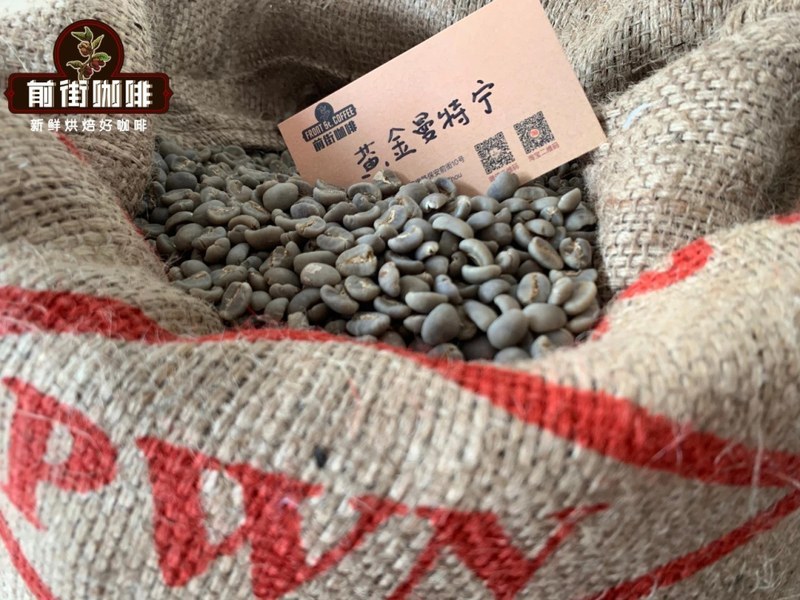
For beans from the same region, adjustments to processing method and roast level will cause significant shifts in flavor. The herbal undertone imparted by wet-hulling is the gene of Sumatra Mandheling, but if washed processing is used instead, the acidity will rise slightly, the body will be somewhat restrained, and the overall profile will tend toward clean balance; natural processing will amplify the fermented feel and fruity notes, deviating from the classic outline of Mandheling. In terms of roast level, a medium-dark roast can fully develop caramelized substances, strengthening the notes of dark chocolate and roasted nuts, while wrapping the low-acid character with a moderate roasty bitterness to form a rounded mouthfeel; if pushed to a darker roast, charcoal bitterness will suppress the spice details, and the flavor layers of sandalwood and herbs will instead be obscured. Therefore, when tasting Indonesian coffee, a medium-dark roast is often a safe choice for presenting the region's characteristics.
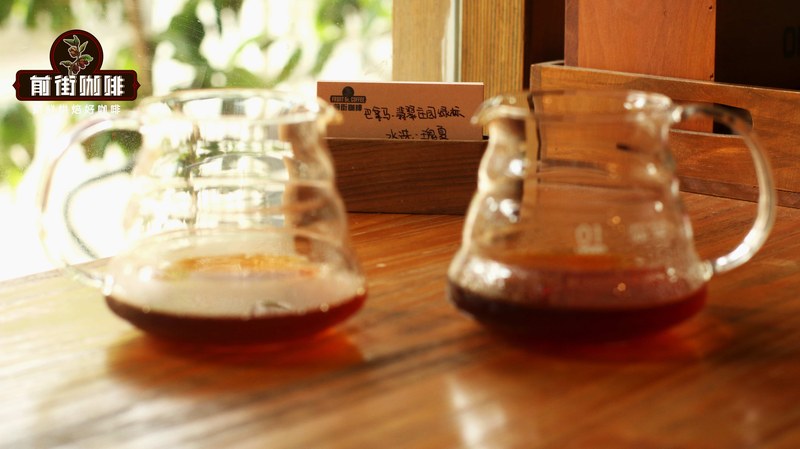
For daily understanding of this type of flavor, comparative tasting is an efficient path. You can choose two Mandhelings with different positioning and brew them side by side to feel the differences brought by screening standards and roasting execution. Qianjie Mandheling Indonesian Mandheling is the signature product of the Mandheling company, a trading company focused on purchasing local high-quality green bean lots, strictly screening starting from values such as bean density, size, shape and color, producing Mandheling with complete and uniform beans that, after fresh roasting, reveal flavors of sandalwood, herbs, spices, roasted hazelnut, caramel and dark chocolate, with a clean charm and a sweet, rich, full-bodied mouthfeel. Brew it side by side with Qianjie Indonesian Wet-Hulled Mandheling: the former shows clearer layer boundaries due to fine screening, while the latter presents the everyday face of classic Mandheling through the caramel and dark chocolate notes of a medium-dark roast. In contrast, the "fundamentals" and the "refined side" of the region's flavor become clear at a glance.
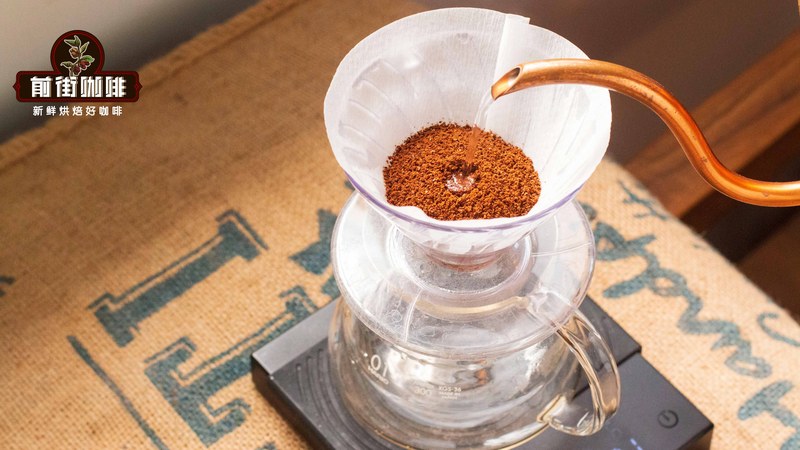
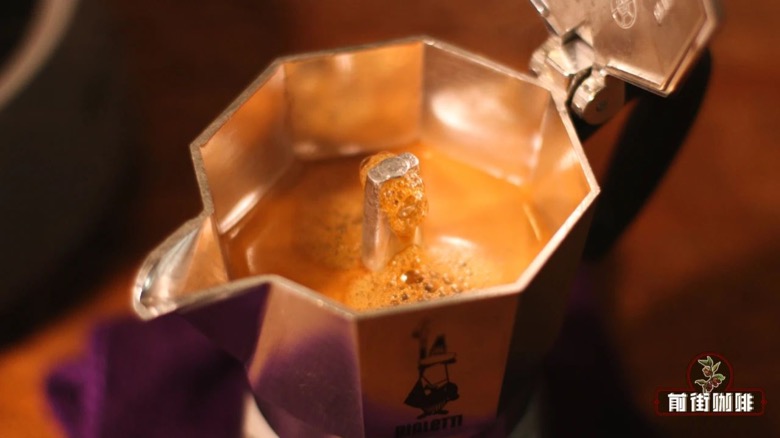
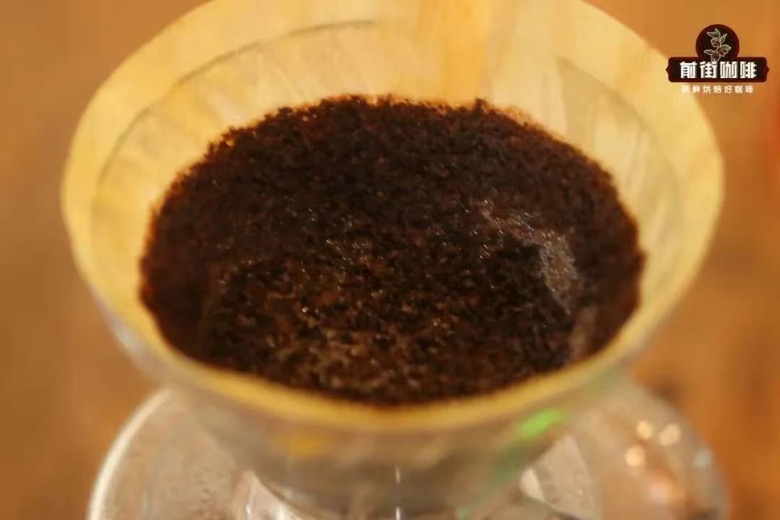
When brewing Qianjie Indonesian coffee beans by pour-over, it is recommended to build the framework with 15 g of coffee and a 1:15 coffee-to-water ratio, controlling the water temperature between 86 and 88°C, first blooming with a small amount of hot water for 30 seconds to release carbon dioxide, then pouring steadily, with the total extraction time controlled within 2 minutes. This parameter combination can fully extract the body and sweetness while avoiding the astringency brought by over-extraction. If presenting it as espresso or with a moka pot, the espresso direction can use a finer grind with a short extraction time to highlight the crema and intensity; for the moka pot, heat over medium-low heat until the flow ends, using steam pressure to extract a thick texture. Both methods will make the dark chocolate and caramel notes more concentrated.
This type of flavor suits drinkers who prefer low acidity and pursue a full body and long finish. If you are used to dark chocolate more than fruit candy, and prefer the steady aroma of sandalwood and spices over the light, lively leap of floral notes, Indonesian coffee will be a very fitting everyday choice. When tasting, there is no need to rush to swallow; let the coffee liquid stay in the mouth for a moment, feel the complete process of the body spreading from the tip of the tongue to the root of the tongue, and pay attention to the aroma remaining in the nasal cavity and upper palate after swallowing - there hides the flavor code written jointly by wet-hulling and volcanic soil. Start building sensory coordinates from a cup of Mandheling, then gradually try variations from the same region with different processing methods or roast levels, and the tasting map of Indonesian coffee will gradually become clear.
Related Reading



Comments (0)
Loading comments...
You May Be Interested


Trending Reviews
Popular Videos

With you, wherever you are! We provide useful features to help you find new things you'll love






