Source:Best Coffee > News Author:qjroot Published:2025-03-29 18:11:05
In Central America, quite a few countries grow coffee, such as Panama, Costa Rica and Honduras. Among them, Honduras has become the second-largest coffee exporter in Central America and the tenth-largest in the world, and while its output is high, Honduras also maintains a high-quality level.
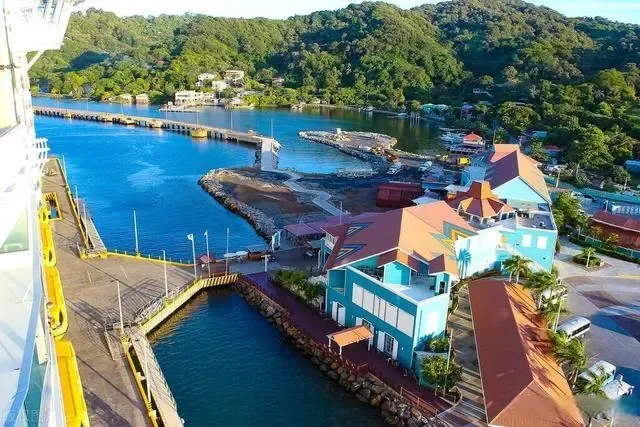
According to historical records, coffee was first introduced to Honduras by Spanish merchants in the late 18th century, and small-scale cultivation was carried out. However, because coffee is a long-term investment, many farmers could not wait that long and went to grow crops such as bananas. It was not until the mid-20th century, when Honduras built roads nationwide and stabilized its infrastructure, that crops became easier to export. Coupled with the beginning of a decline in banana production, coffee beans slowly rose to replace the banana's position. Later, with continuous improvements and upgrades in coffee processing techniques and transport capacity, it has now become one of the world's ten largest coffee exporters.
Honduras is located in northern Central America and is a country with both sea and land. It borders the Caribbean Sea to the north and the Gulf of Fonseca of the Pacific Ocean to the south. More than three-quarters of the country's territory is mountains and plateaus, with mountain ranges extending from west to east and a plateau in the interior.
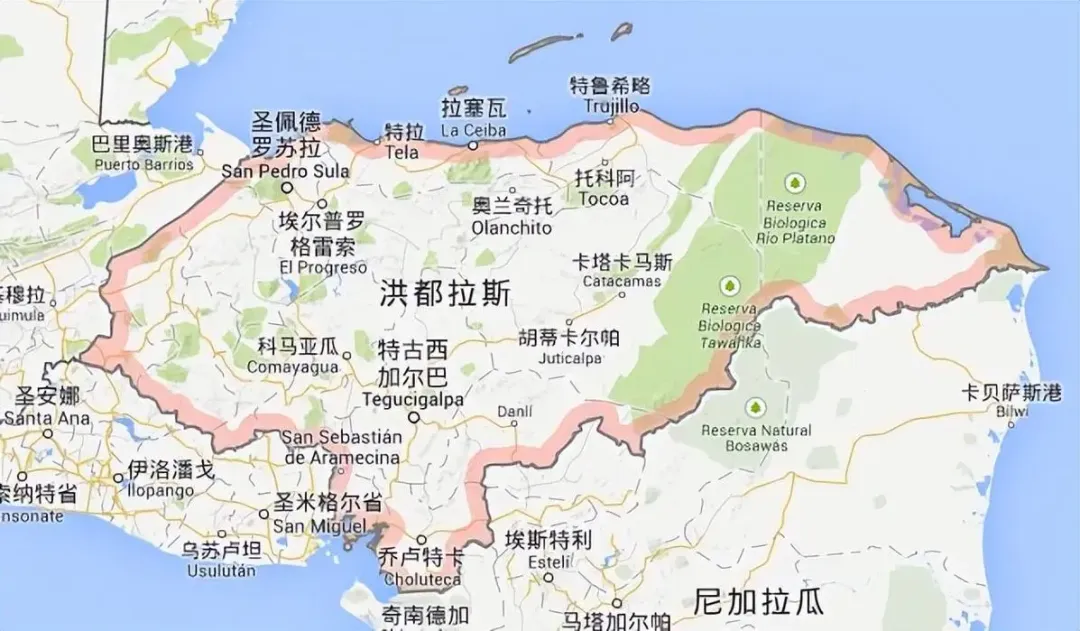
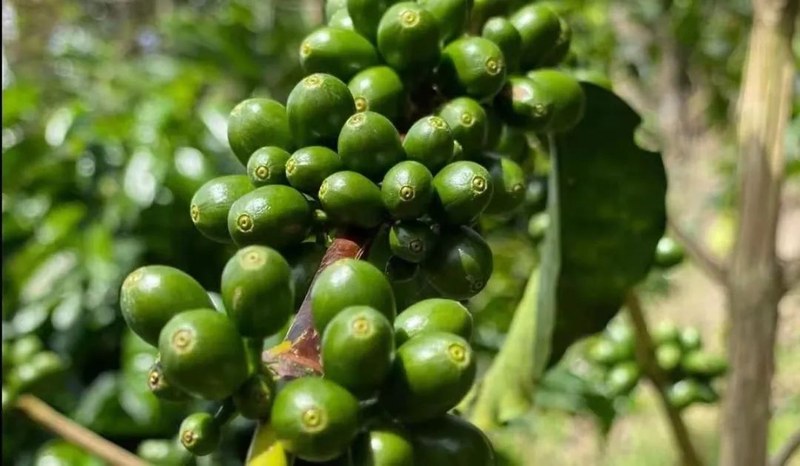
Honduras has a tropical climate, and the coastal areas have a tropical rainforest climate, with an average annual temperature of 23℃ and abundant rainfall. Forest area accounts for half of the country's area, and it has many volcanoes and high mountains. These conditions of diverse climate, mild temperatures and ample rainfall make the country very suitable for growing crops such as coffee.
In 1970, the Honduran government established the Instituto Hondureno del Cafe (IHCAFE), mainly to help local coffee farmers improve cultivation techniques, enhance coffee-growing quality, and it divided the country into six producing regions: Copan, Opalaca, Montecillos, Comayagua, Agalta Tropical and El Paraiso. The average altitude of these regions reaches more than 1,100 m.
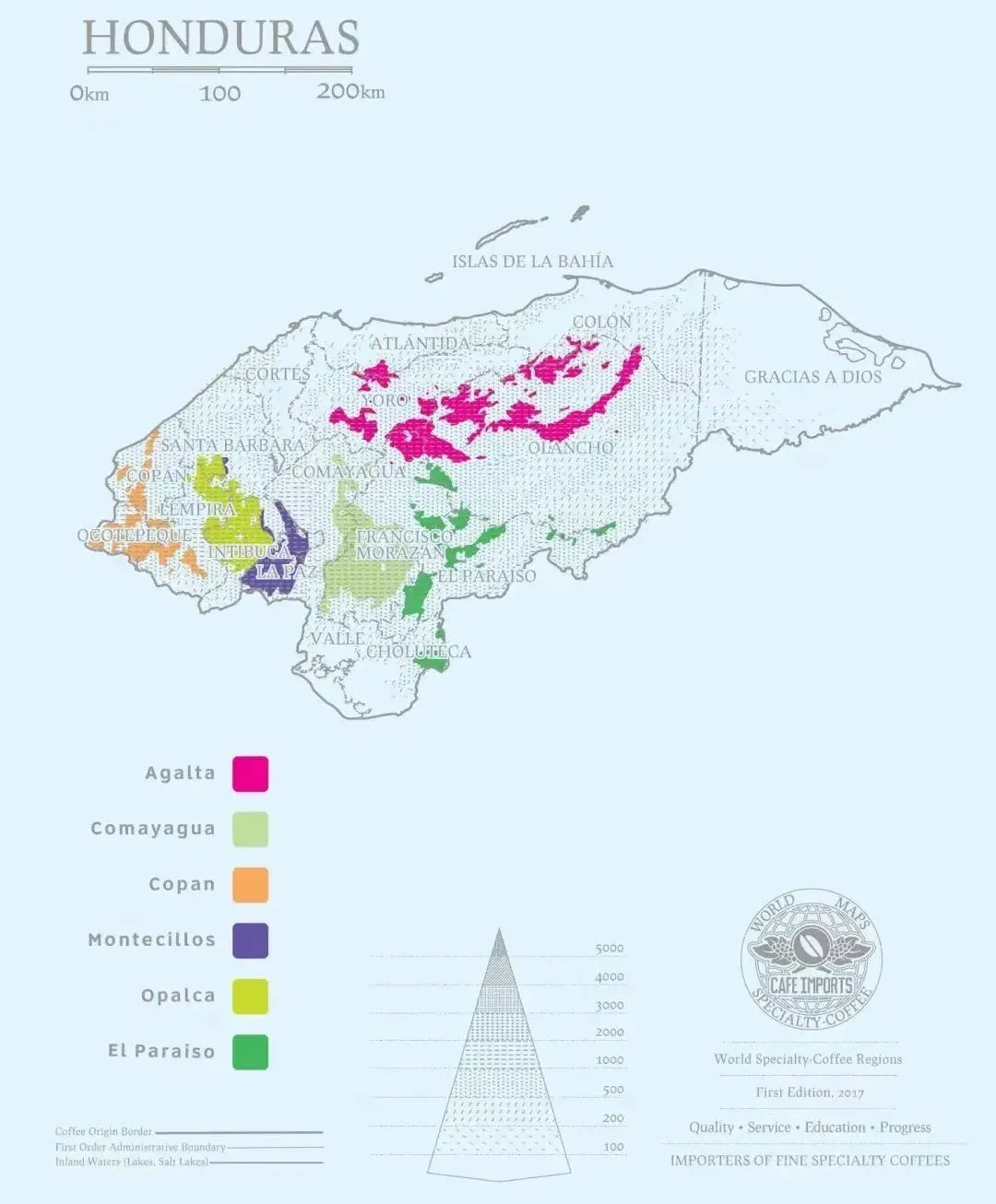
These producing regions are mainly concentrated in the central-southern and western parts of the country. Most of these areas are mountainous, tropical savanna and jungle regions, and the lower areas contain the Lean River Valley and the Cotnega River Valley, with abundant water resources, making them the main areas for Honduras's agricultural and industrial development.
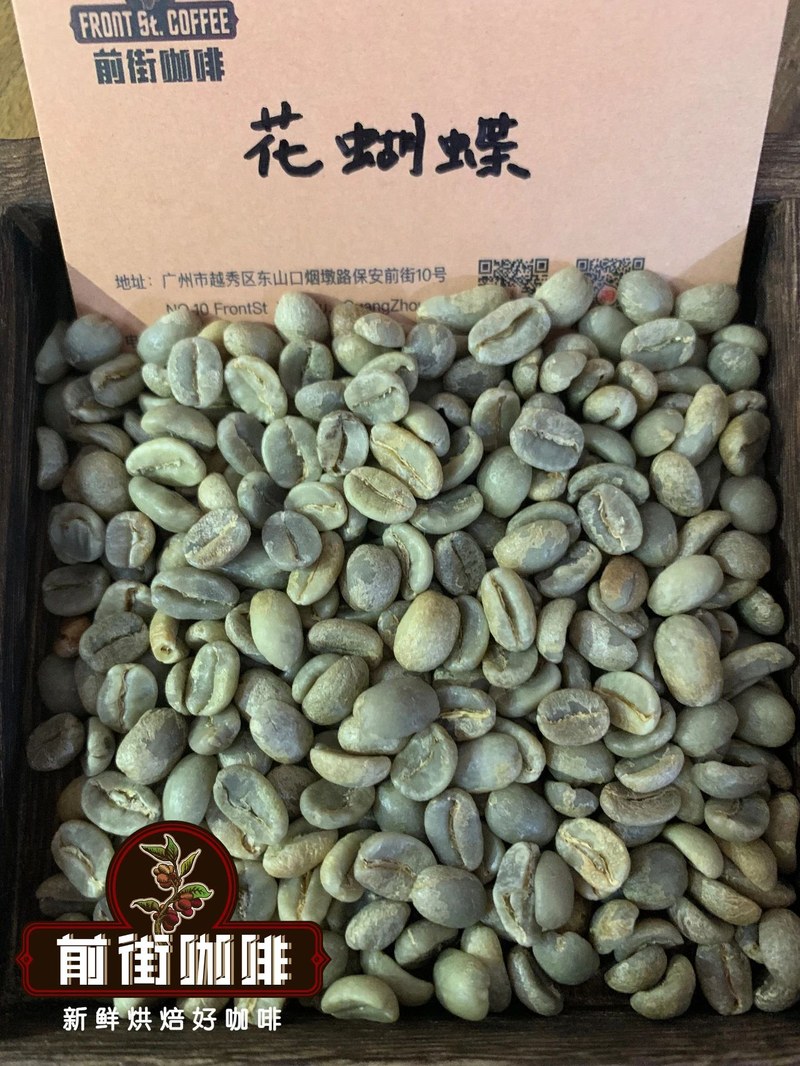
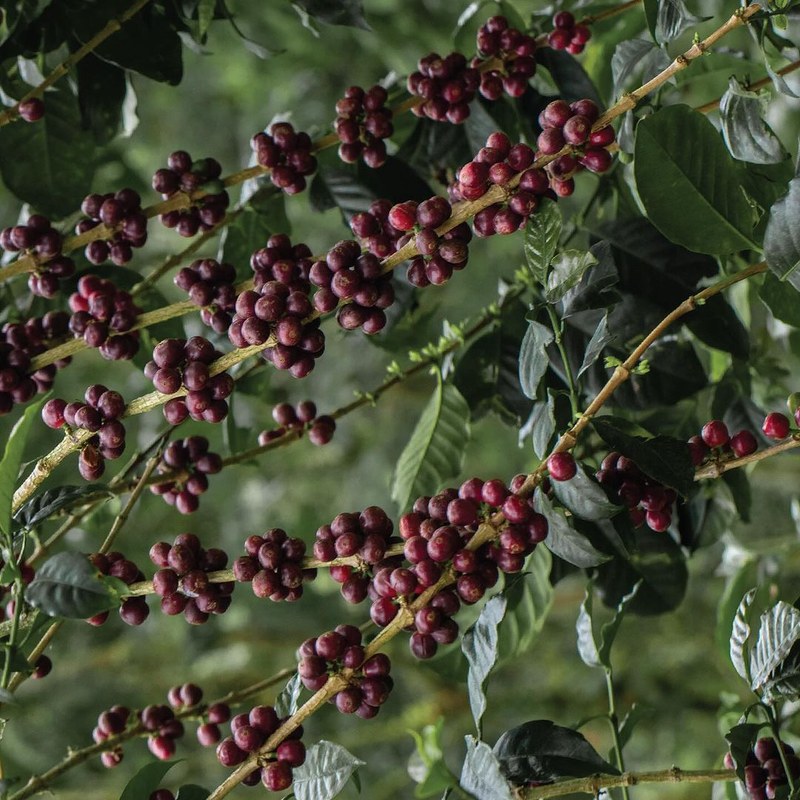
In addition, there is also a Masaguara producing region, located in a municipality in the Intibuca department of Honduras, in the south of the Jessde Otoro valley, surrounded by mountains and hills. It is mainly dedicated to coffee growers and is the main engine of the local economy. The area corresponding to the valley is devoted to growing basic grains and livestock. The origin of its name: according to Mr. Alberto Membre's "Indigenous Place Names," Masaguara means "place with deer." Like the Honduras Sherry whiskey barrel-processed coffee that sells steadily year-round on FrontStreet Coffee's bean shelf, it comes from this very origin. Every time the green bean bag is opened, a rich aroma of vanilla cream and alcohol is smelled.
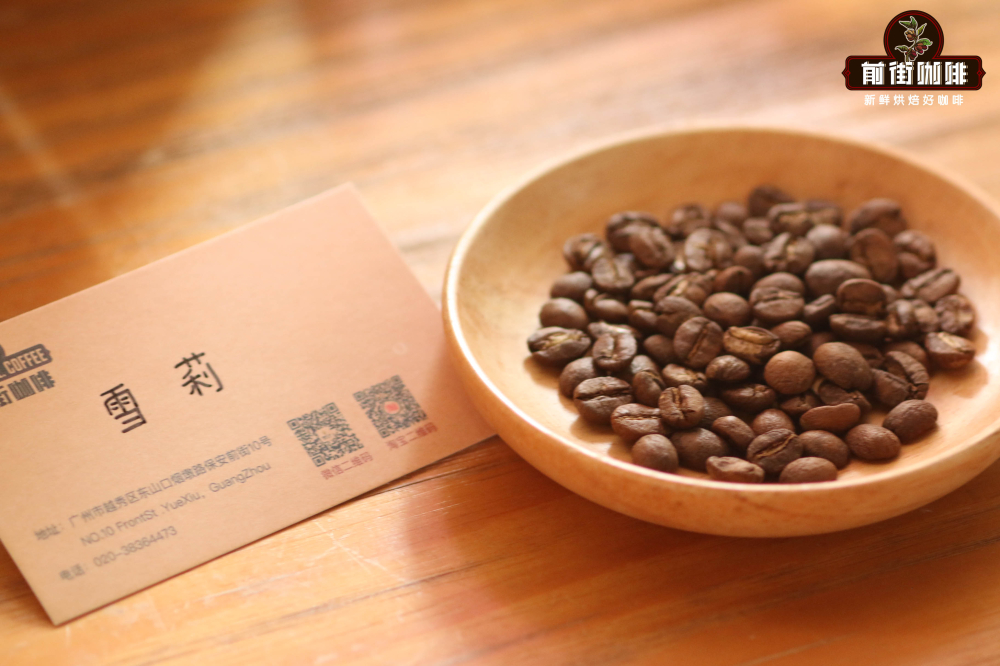
FrontStreet Coffee: Honduras Mocha Estate Sherry
Region: Intibuca Department
City: Masaguara
Estate: Mocha Estate
Altitude: 1500-1700m
Varieties: Caturra, Catuai, Pacas
Processing Method: Refined Washed Whiskey Sherry Barrel Fermentation
Montecilos: located between the La Paz department, Comayagua department, Santa Barbara department and Intibuca department regions, full of rich fruit and sweet aromas, paired with lemon and floral notes. Lemon and fruit aromas are its important characteristics, especially peach and orange, with a lively and bright acidity, a velvety texture, and a lasting finish. Altitude 1200-1700 m, annual rainfall 1300 - 2300 mm, harvest season December to April of the following year.
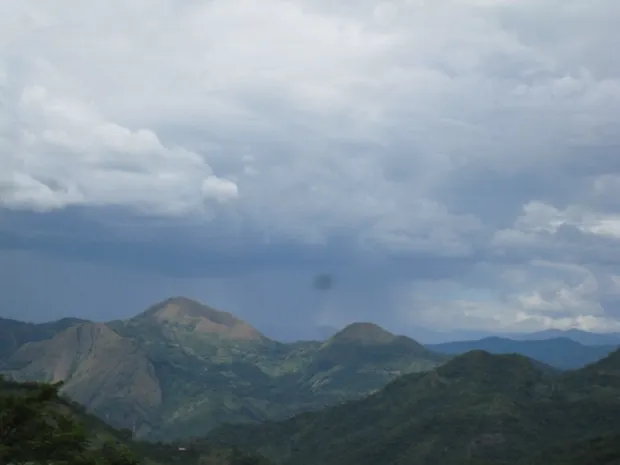
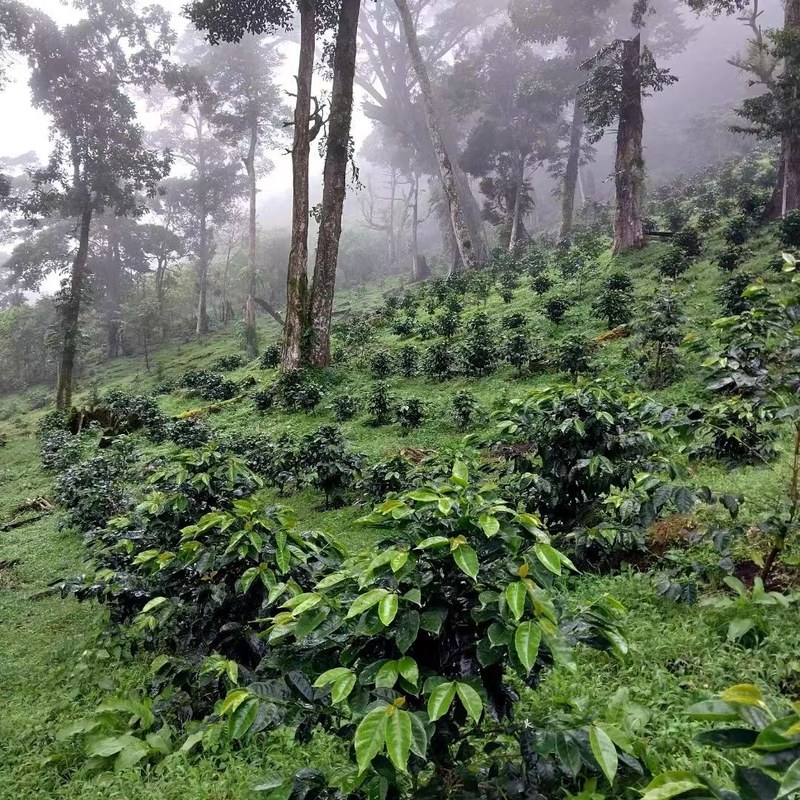
Intibucá, within this producing region, is the most mountainous area in Honduras. Its highlands and valleys are the highest in the country, among which the Cordillera range reaches an altitude close to 3000m and is fed by multiple rivers. Intibucá is therefore known for agricultural products such as coffee and corn as well as handicrafts, and coffee estates in the area have achieved good results at Honduras COE.
At this year's Honduras COE, Los Pinos estate from Intibucá took third place with a washed Geisha scoring 90.71 points, and this was the estate's first time entering COE.
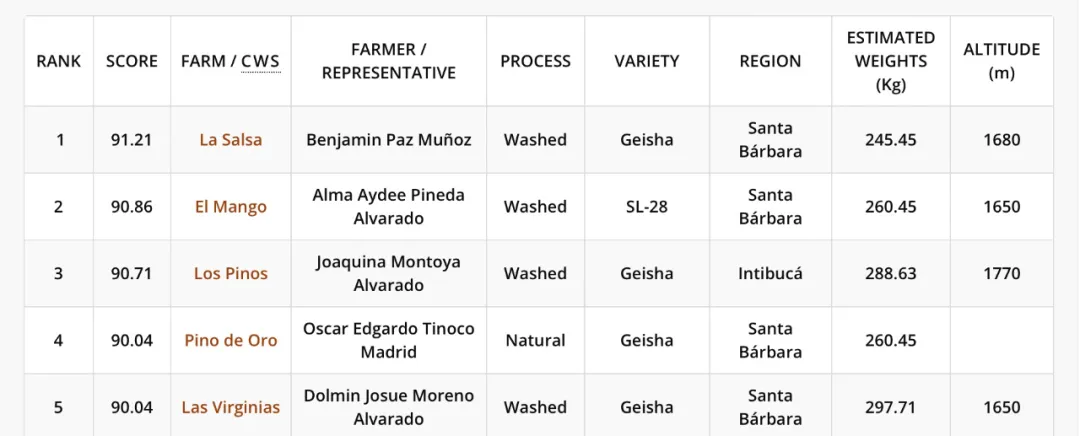
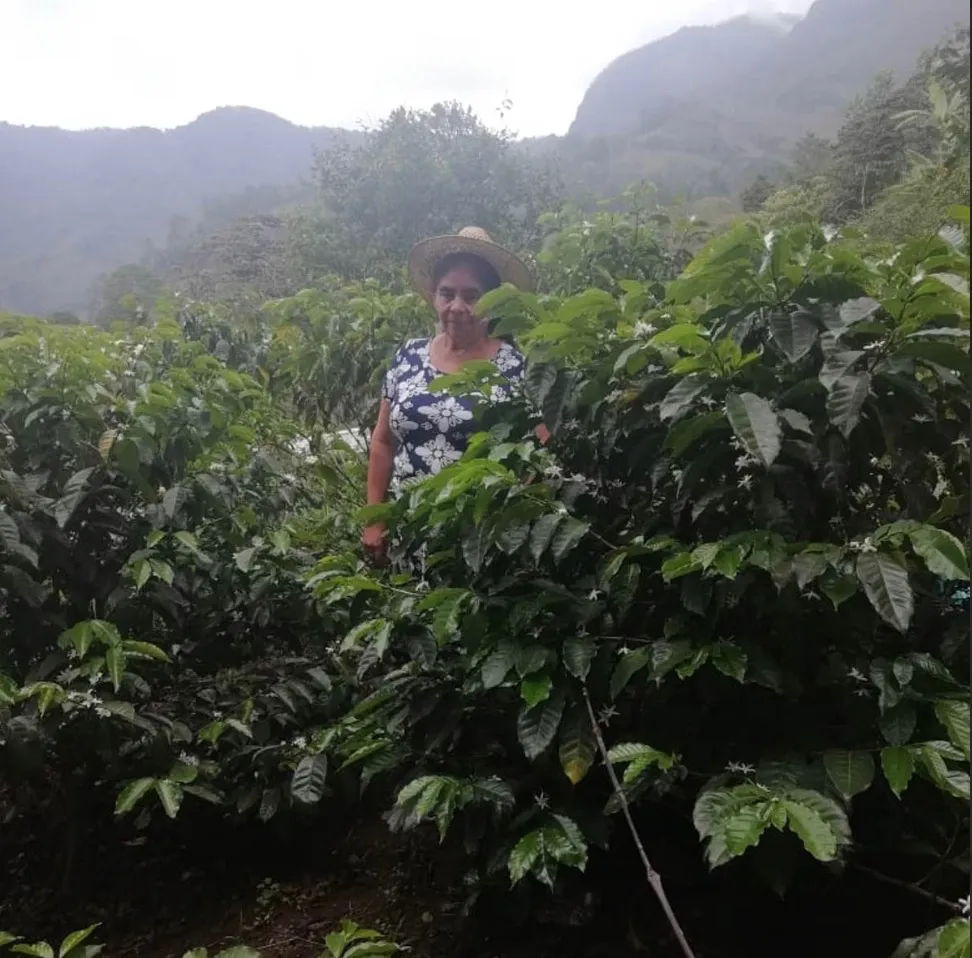
It is understood that the estate is located near La Esperanza, the capital of Intibucá Department, on a hillside at an altitude of 1770 m. The owner of the estate is Joaquina Montoya Alvarado, a coffee producer with 35 years of experience, who now runs the estate together with her husband.
Previously, Los Pinos (Los Pinos) estate had never taken part in COE, until one time, Joaquina 's friend Ronny Gamez came to visit the estate, and after tasting it, thought that the estate's coffee quality had already reached the COE standard, and therefore encouraged Joaquina to enter the COE competition, and in the end she also won third place this year. Moreover, Joaquina said that because of this result, she will in future put more funds, time and energy into developing the farm.
Related Reading



Comments (0)
Loading comments...
You May Be Interested

Trending Reviews
Popular Videos

With you, wherever you are! We provide useful features to help you find new things you'll love






