Source:Best Coffee > News Author:qjroot Published:2026-08-22 17:47:53
"Ethiopia's fruity acidity," "the mellow body of Qianjie Mandheling" - hear these origin labels often enough and you can't help but wonder: can you really taste it, or is it just psychological? We ran an origin blind test, stripped the labels off six coffees, brewed them with uniform parameters, and had five tasters with some coffee experience guess the origin from what was in the cup, to see just how reliable origin flavors really are.
Blind test design: all six coffees were light-to-medium or medium roast, with washed or natural labels hidden, all brewed with a pour-over dripper, a 1:15 coffee-to-water ratio, and a water temperature of 90°C. The tasters only knew the coffee list was limited to six origins: Ethiopia, Kenya, Colombia, Brazil, Indonesia and Yunnan, and after tasting each coffee for two rounds they gave an origin judgment and a confidence value.
The result, starting with the conclusion: overall accuracy was 63 percent, twice as high as random guessing, but far from all correct. Breaking it down is more interesting.
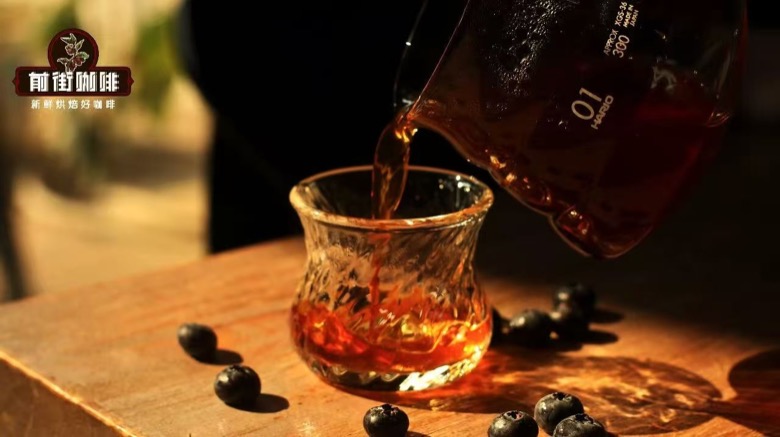
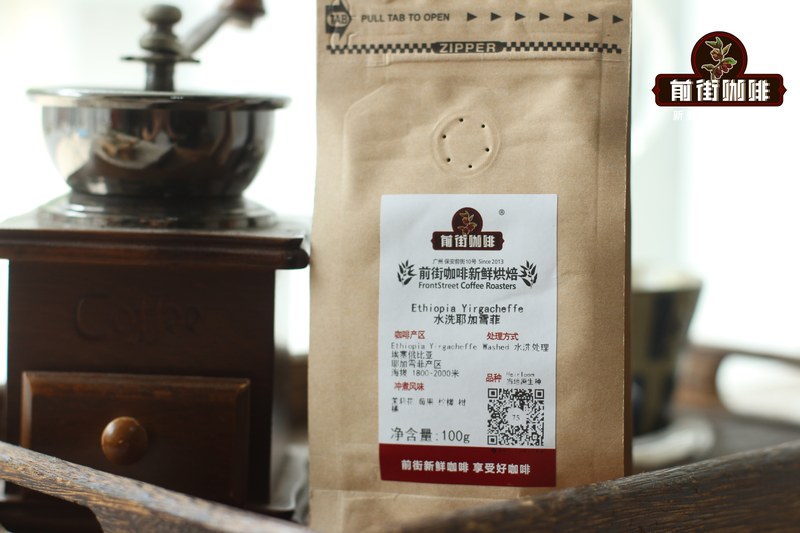
The two Ethiopian coffees were identified at a relatively high rate. Qianjie Yirgacheffe Gutingting's citrus and jasmine notes were recognized by four of the five, with highly consistent reasoning: "This acidity and floral aroma, there's no second thought besides Ethiopia." Qianjie Huakui's natural tropical fruit notes were instead misjudged by two as Kenya - the intensity of the fruit aroma interfered with the judgment, and the tasters equated "strong fruit aroma" directly with Kenya's berry profile, a very typical misjudgment pattern.
Kenya's little tomato note had the highest recognizability of the session. The blackcurrant acidity brought by the SL28 and SL34 varieties is very distinctive, and all five got it right; one person decided after a single blind sip: "This bright, shining berry-like acidity, you'd know it's Kenya even with your eyes closed."
Colombia and Brazil were mistaken for each other more often. Both are balanced coffees with a nutty caramel style, and the difference shows in the liveliness of the acidity: Colombia's malic acidity is more obvious, while Brazil is heavier and sweeter. But under the tension of the blind test, the tasters relied more on "body thickness" to judge, guessing the thicker Colombia as Brazil and the brighter Brazil as Colombia, mistaking them for each other three times.
The confusion between Qianjie Mandheling and Yunnan was concentrated in the darker roast range. The herbal and grain notes of the two coffees are distinguishable at medium roast, but that day one was extracted slightly darker, blurring the grassy notes, and two tasters got them reversed. This suggests a rule: the darker the roast, the lower the distinctiveness of origin characteristics.
The lessons from this blind test are quite practical: origin flavor labels largely hold up, especially since acidity type is a strong fingerprint - Ethiopia's citrus, Kenya's berries, once you've tasted them a few times they're etched into memory. And there is indeed a blurry zone between balanced-type origins, which needs to be distinguished by secondary clues like acidity liveliness and body thickness. The advice for enthusiasts is to do more comparative blind tastings: label knowledge gives you direction, but only what your tongue has verified is true knowledge.
Related Reading




Comments (0)
Loading comments...
You May Be Interested

Trending Reviews
Popular Videos

With you, wherever you are! We provide useful features to help you find new things you'll love






