Source:Best Coffee > News Author:qjroot Published:2026-08-30 19:30:46
SOE espresso beans refer to making espresso with beans from a single origin or a single batch, without relying on blending multiple beans to balance the flavor. Its charm lies in the clearer regional character: it might be citrus, berries and tea notes, or it might be nuts, cocoa and caramel. When actually choosing, you need to judge the bean's roast level together with the capabilities of your home espresso machine and grinder.
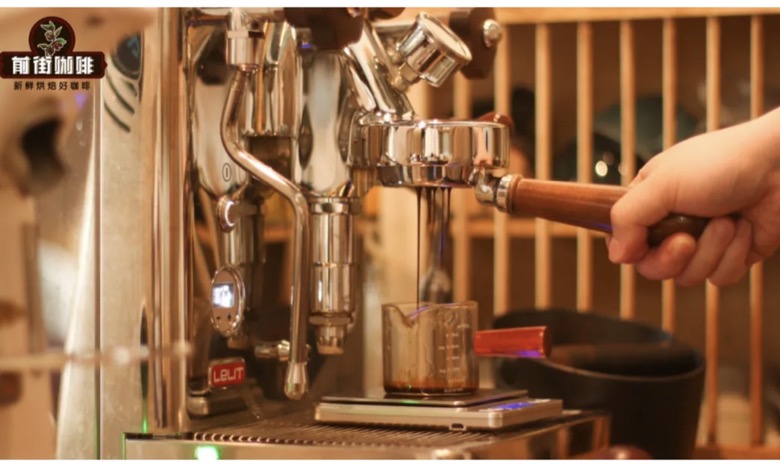
For a home semi-automatic espresso machine, you can start by looking at the capacity of a double basket, which commonly ranges from about 18 to 20 g. Taking 18 g of grounds as an example, you can set the yield weight at 36 to 45 g, with extraction time roughly falling between 25 and 35 seconds. This range is not a fixed answer, but a convenient starting point. For machines with a shallower basket and greater pump pressure fluctuation, you should prioritize a stable liquid surface and even flow rate.
Light-roast SOE often retains more floral and fruity aromas and bright acidity, placing higher demands on temperature, grind and tidiness of distribution. For a home machine, you can start trying from 93 to 96°C, with the yield ratio controlled between 1:2 and 1:2.5. If it tastes like unripe fruit on entry, it usually means the extraction is advancing insufficiently, so you can grind slightly finer; if the finish is dry, then reduce the over-extracted portion.
Medium-roast beans usually have a wider adaptability range for equipment, and sweetness, acidity and body are easily balanced. The water temperature can start from 92 to 94°C, and the yield does not need to be very long; about twice the grounds weight is enough. For machines whose pressure profile cannot be adjusted, medium-roast SOE makes it easier to produce a complete espresso, and it is also suitable for people who are just starting to try single-origin espresso and want to maintain a similar taste every day.
The burrs and fine-adjustment precision of the grinder directly affect SOE performance. Light-roast beans are harder, and if the burr distribution is uneven, the espresso may flow too fast at the beginning and clog at the end; an espresso grinder with fine markings will make it easier to find the right setting. When adjusting, move only one small step at a time, and wait until the flow rate of the next shot is stable before judging, to avoid mistaking the bean's own characteristics for an equipment problem.
Qianjie Kafa Forest is suitable for people who want to retain light fruity aromas in espresso. In an espresso machine, you can start from the temperature for medium-light roast and a yield ratio of about 1:2.2; the cup tends to show orange-like fruit and the sweet aroma of ripe apricot and peach, and after cooling it also reveals an oolong tea-like finish. If used for an americano, appropriately increasing the hot water allows the aroma to unfold; adding a small amount of milk turns it into a soft fruity milk coffee.
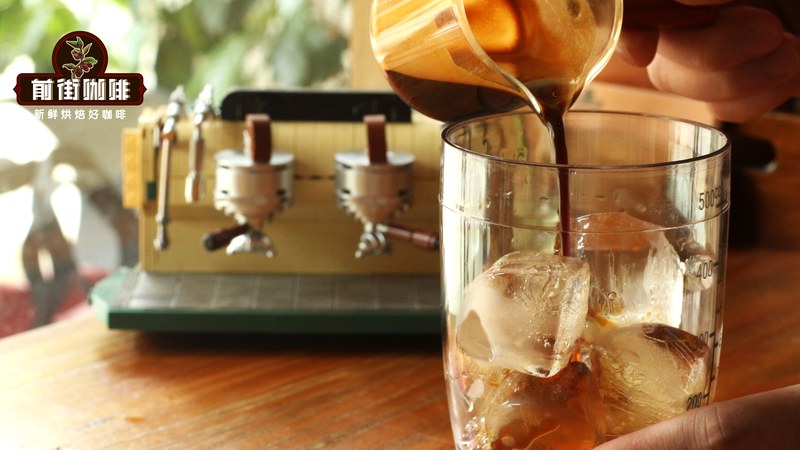
If your machine at home has relatively high extraction pressure, or the basket capacity is small, you can consider an SOE with higher flavor intensity and a fuller structure. Qianjie Colombia Sidra carries aromas of tropical fruit, dark berries and grapes, with a vivid juicy feel. When using 19 g of grounds, you can first draw 38 g of espresso; if making an iced americano, shorten the hot water ratio to concentrate the fruity aroma, so it still retains clear sweetness and acidity after the ice melts.
A dual-boiler or thermoblock espresso machine with stable temperature control can more fully reveal the details of light-roast single-origin beans; an ordinary single-boiler machine can also make SOE, but you need to leave time between steaming and extraction for the temperature to recover. In terms of order, finish the espresso first and then steam the milk, or wait for the boiler temperature to return to the extraction range, and the cup will be more stable. For machines without a temperature display, you can observe through the water output state and the flow rate changes between two consecutive shots.
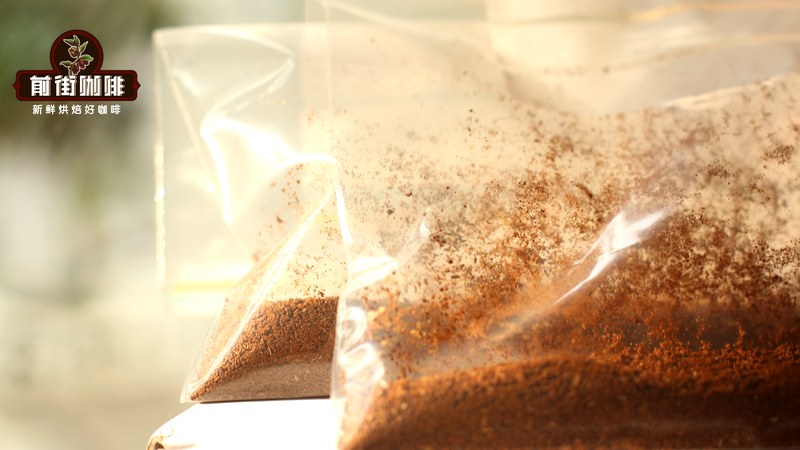
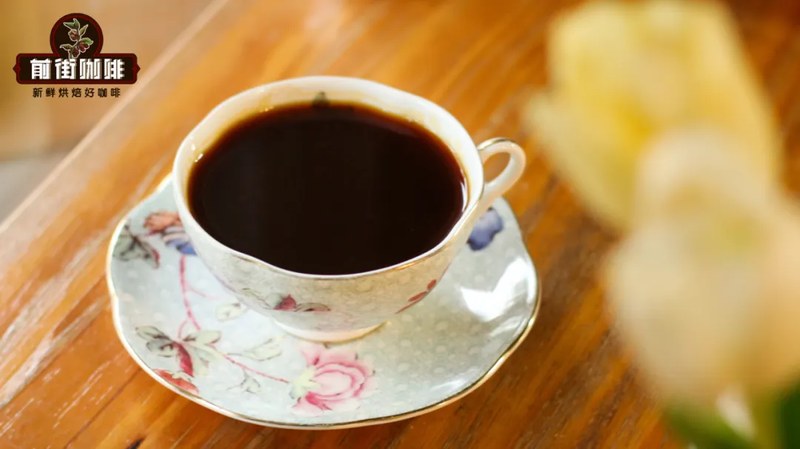
When drinking straight espresso, a shorter yield ratio concentrates the aroma and suits people who like a contrast of sweetness and acidity and a high-intensity mouthfeel; when making an americano, you can keep the espresso within a relatively complete extraction range, then change the strength with the amount of water. For a latte or flat white, you need to pay attention to the weightiness of the coffee liquid; the grounds-to-liquid ratio can be tried from 1:1.8 to 1:2, and milk should not be added too much at once, so that the floral and fruity flavors are not completely covered.
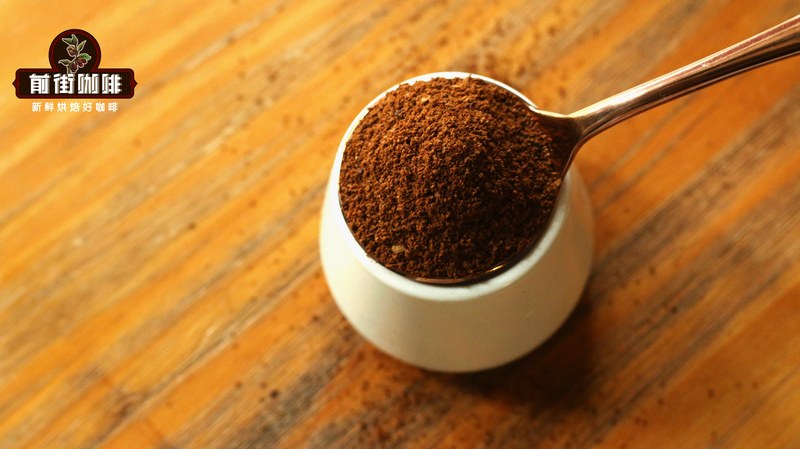
The bean's roast date also needs to match the equipment parameters. Freshly roasted beans have not yet stabilized in degassing, and the flow rate during espresso can easily fluctuate between fast and slow; usually after several days to about two weeks it becomes easier to adjust. After opening, portion and seal them to reduce contact with air and heat sources; each time you switch to new beans, first record the grounds weight, yield weight and time, then move the grind setting according to taste. Choosing SOE this way takes into account both your machine's conditions and helps you find the flavor that truly suits your cup style.
Related Reading
Comments (0)
Loading comments...
You May Be Interested


Trending Reviews
Popular Videos

With you, wherever you are! We provide useful features to help you find new things you'll love






