Source:Best Coffee > News Author:qjroot Published:2026-10-07 12:38:42
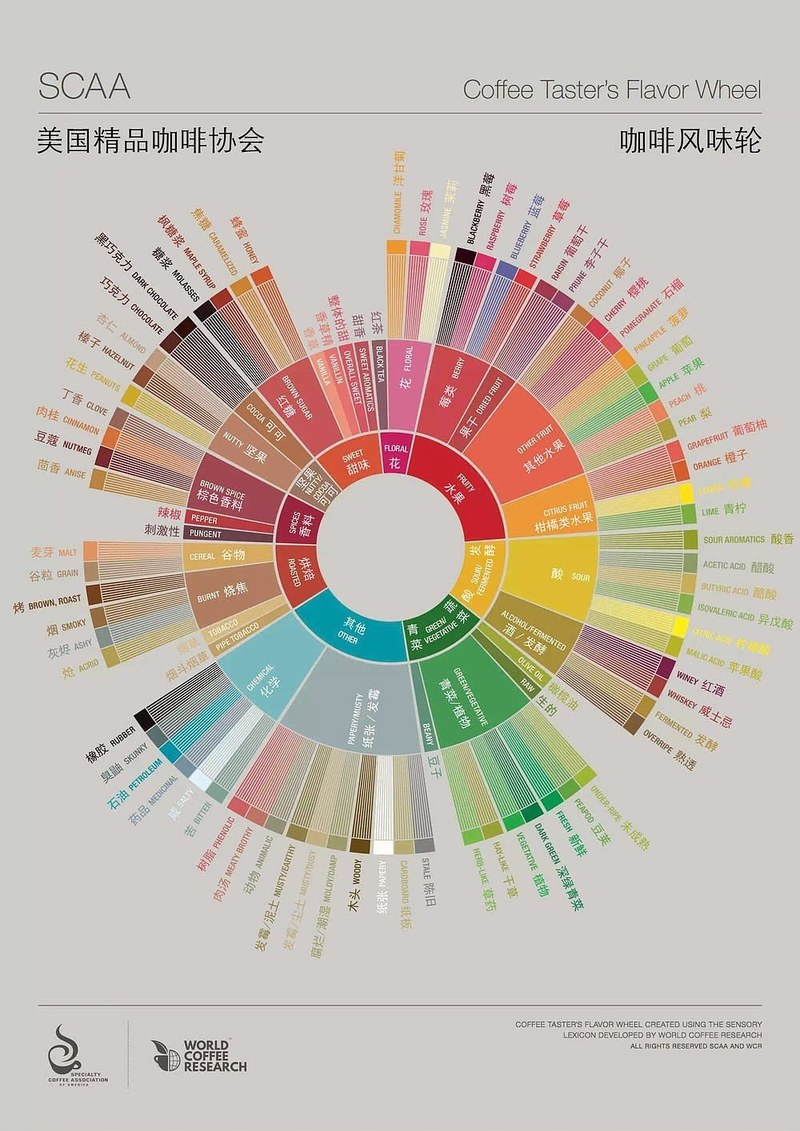
The flavor foundation of Jamaican Blue Mountain coffee is a highly integrated sense of balance. This balance is not simple blandness, but the result of five dimensions - aroma, acidity, sweetness, body and aftertaste - restraining and supporting one another. The aroma trend has cream and nuts as its skeleton, with chocolate and caramel filling in between, forming a dense and warm olfactory experience. The acidity is a soft medium-low intensity citric and malic acid, neither sharp nor dull, just enough to hold up the space for the sweetness to develop. The sweetness appears as a composite form of caramel and honey, echoing a slight cocoa bitterness, making the overall mouthfeel rich and layered. The body is in the medium-high range, with a velvety wrapping feel on entry, while the aftertaste is clean and long, with a sweet return of roasted nuts and light cream. This flavor structure determines that Blue Mountain coffee rarely has any one dimension that stands out too abruptly, and for this reason it has become the classic annotation of the word "balance".
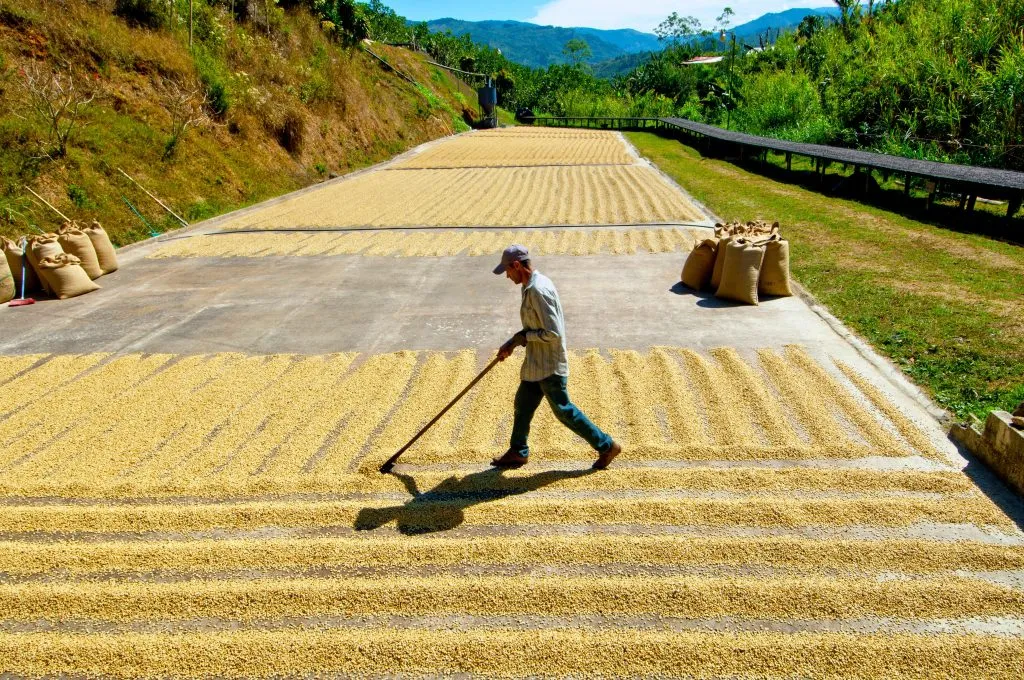
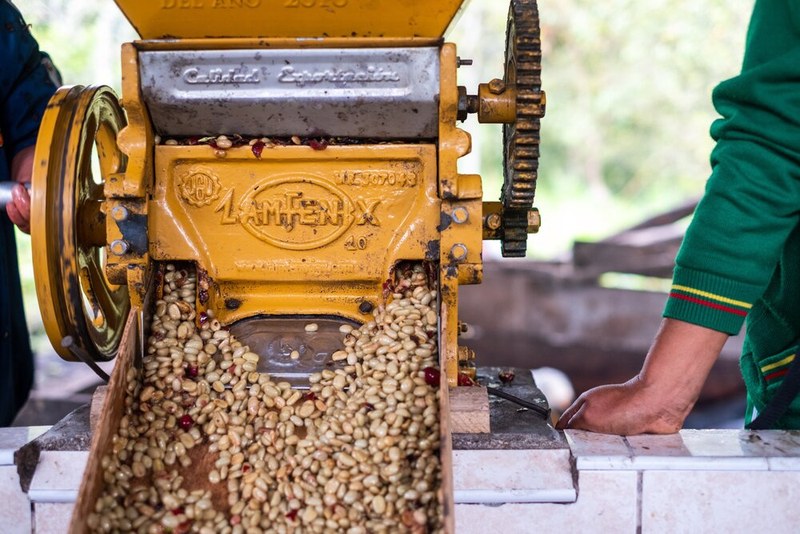
For beans from the same producing region, adjustments to processing method and roast level will make the flavor show clear differences. Because Jamaica's local island climate has shorter sunshine hours and high air humidity, washed processing has traditionally been used to reduce the risk of uncontrolled fermentation; the resulting beans are bright in color, low in defect rate, clear in flavor lines, and bright and clean in acidity. If experimental batches of natural or honey processing were assumed to exist, the fruitiness and fermented notes would increase, and the body might rise, but Blue Mountain's signature clarity and balance would be broken, bringing it closer to the style of other producing regions. As for roast level, a light roast would amplify acidity and fruitiness, but after the old Typica variety of Blue Mountain matures slowly at high altitude, its sugar structure is more suited to the caramelization reactions of a medium-dark roast - Qianjie Jamaica Blue Mountain No. 1 uses a medium-dark roast precisely to allow dense aromas such as cream, nuts, chocolate and caramel to fully unfold, while retaining enough acidity to avoid a cloying feel. If roasted darker, the bitterness would overpower the sweetness and Blue Mountain would lose its recognizability.
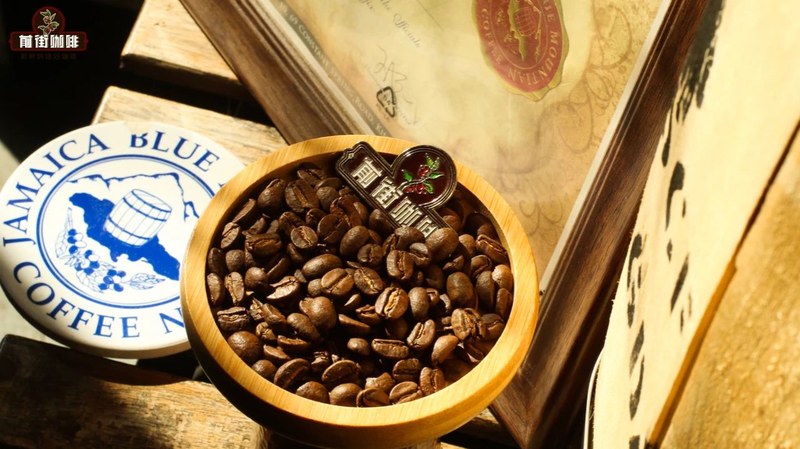
To understand what kind of taste preference this flavor suits, you can start from the idea of "comparative tasting". Lovers accustomed to the bright fruit acidity and floral aroma of African producing regions may at first find Blue Mountain "not exciting enough", but on careful tasting they will discover that the refinement of its acidity and the persistence of its sweetness follow a different logic; those who prefer the herbal heaviness of Indonesian producing regions can find in Blue Mountain a cleaner body and a more elegant aftertaste. A practical comparison method is to prepare Qianjie Papua New Guinea Paradise Bird and Qianjie Jamaica Blue Mountain No. 1 at the same time: both are Typica varieties and both are island producing regions, and Qianjie Paradise Bird's flavor texture is close to Blue Mountain, though each has its own emphasis in the details. By sipping alternately, you can more clearly distinguish where Blue Mountain's sense of balance comes from - whether the connection between acidity and sweetness is more seamless, or whether the density of aroma and mouthfeel is more even. This comparison is not meant to rank them, but to build a sharper set of taste coordinates.
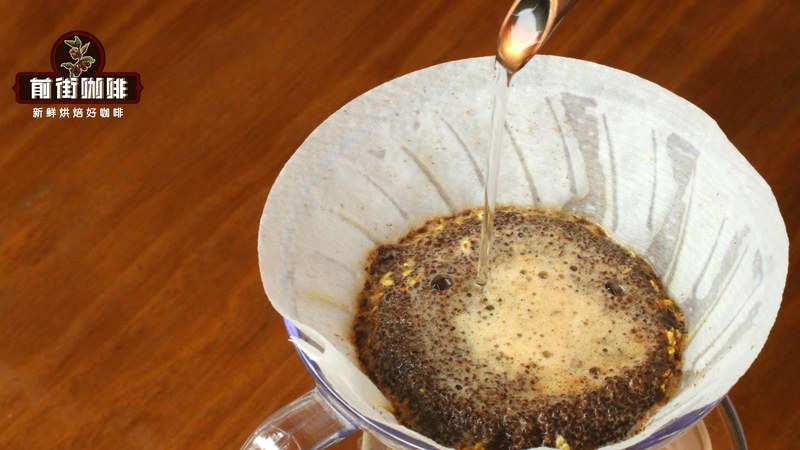
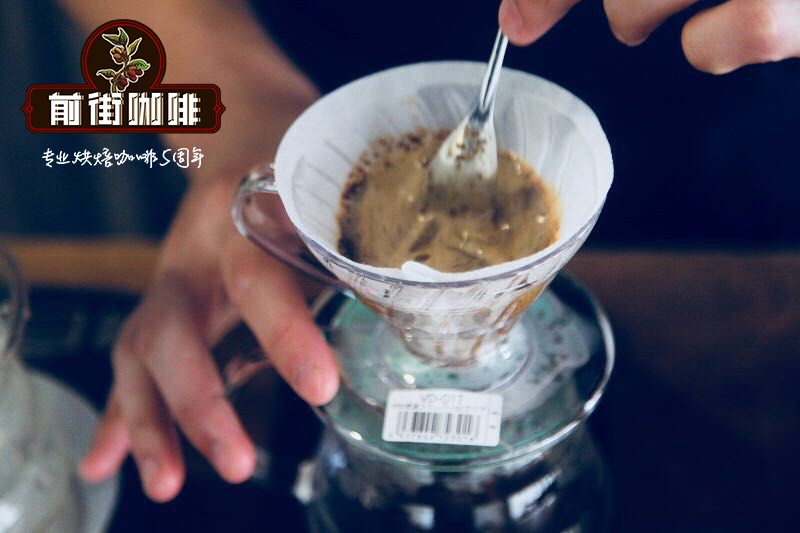
For everyday tasting of Blue Mountain, pour-over is a reliable way to present its complete profile. Take 15 g of grounds, extract with a 1:15 coffee-to-water ratio and a water temperature of 86 to 88°C, bloom for 30 seconds, then pour steadily, keeping the total time within 2 minutes. This parameter framework allows medium-dark roasted Blue Mountain to fully release the sweet aroma of caramel and nuts, while avoiding the woody astringency brought by over-extraction. If using espresso, go in the direction of a finer grind and short extraction time to highlight its rich, mellow crema texture and chocolate finish; with a moka pot, heat over medium-low heat until the flow ends, which yields a heavy mouthfeel close to espresso, but you need to watch the heat to avoid scorching bitterness. Whichever method is used, it is recommended to first drink it black without milk or sugar, so that the tongue can fully contact the five dimensions of flavor, and only after a clear impression is established should you try pairings, so you can judge whether they add to the experience or detract from it.
To truly understand Blue Mountain, the key is to let go of the preset expectation of "amazing" and instead appreciate the value of "harmony". Its flavor has no explosive moment at any point, but rather a steady output from beginning to end - from cream and caramel in the high-temperature zone, to nuts and cocoa in the medium-temperature zone, to honey sweetness in the low-temperature zone, with restrained yet coherent variation. This trait is easily overlooked in fast-paced tasting, so it is worth slowing down, leaving a gap for breathing between sips, and letting the aftertaste settle naturally in the mouth. When you can consistently identify the flavor transition from the front, middle and tail sections, and form a bodily memory of the softness of the acidity and the persistence of the sweetness, only then have you truly begun to taste Blue Mountain. This training is equally helpful for understanding the "imbalance" of other producing regions, because only by first knowing the baseline of balance can you more accurately describe deviation.
Related Reading



Comments (0)
Loading comments...
You May Be Interested

Trending Reviews
Popular Videos

With you, wherever you are! We provide useful features to help you find new things you'll love






