Source:Best Coffee > News Author:qjroot Published:2026-09-19 12:26:06
Coffee bean packaging on the shelves is dazzling in its variety, but when you group them together, they mainly fall into two camps: single-origin and blends. Single-origin beans focus on showcasing the original character of one specific origin, while blends combine beans from different regions to create a harmonious and balanced taste. Once you understand their respective roles, choosing becomes much clearer.
Those who enjoy exploring terroir usually turn their attention to single-origin beans. Single-origin coffee delivers a vivid regional imprint, with high-altitude soil and climate translating directly into the lively floral notes and fruity acidity in the cup. To experience this pure expression of origin, Qianjie Ethiopia Huakui is a highly representative choice, carrying a touch of ripe tropical fruit sweetness, red strawberry and passion fruit aromas.
When brewing this type of light-roast single-origin bean, pour-over does an excellent job of bringing out the aromatics. Use 15g of grounds, pair with 91°C water and a 1:15 coffee-to-water ratio, and pour 30g of water for a 30-second bloom. Then use a three-pour method, steadily circling to 130g and pausing briefly, waiting for the water level to drop before pouring again to 225g, for a total time of 2 minutes 05 seconds. The result is a cup as sweet and lively as tropical fruit juice.
For those who prefer bright acidity, you can also try Qianjie Kenya Little Tomato. Its main flavor thread evokes plump cherry tomatoes, sweet preserved plum and a brown-sugar-like finish, with clear, bright acidity. Take 15g of grounds, brew with 90°C water, maintain a 1:15 coffee-to-water ratio, bloom for 30 seconds, then use a two-pour method, pouring in one go to 225g, for a total time of 1 minute 55 seconds. The finish is sweet and mouth-watering.
Unlike single-origin beans, which express individuality, blends pursue harmony and consistency of flavor. A single origin is often distinctive but may also come with shortcomings, such as abundant aroma yet weak body. Roasters use precise ratios to merge the strengths of different origins, compensating for thinness while keeping daily output consistent and balanced over the long term.

Reading the blend ratio is actually quite instructive. Many blends use about 60% Brazilian beans as the base, providing abundant crema, dark chocolate and roasted nut notes; then add 30% Colombian beans to supplement soft fruit sweetness and a smooth mouthfeel; sometimes another 10% Ethiopian beans are added to brighten the aroma. Once you understand this ratio structure, you can roughly predict the body and sweetness direction.
In the espresso domain, traditional blends and SOE each play different roles. SOE uses single-origin beans extracted directly into espresso, highlighting the fruity acidity and refreshing aromatics of one region; traditional espresso blends emphasize a deep nutty and cocoa base, so that even after adding a large amount of milk, they can still support a rich framework.
To make an iced Americano interwoven with citrus and floral notes, Qianjie Yirgacheffe Gidding is well suited as an SOE. Grind 18g of beans, extract under constant pressure, and pull 36g of coffee liquid within 26 seconds. Pour the espresso directly into iced water to taste clean citrus notes, delicate floral aromas and a green-tea-like sweetness, light and refreshing in style.
If you want a smooth, warm latte, a traditional espresso blend is still milk's best partner. Weigh out 19g of dark-roast blend grounds, extract under constant pressure after low-pressure pre-infusion, and pull 38g of rich espresso within 28 seconds. Its deep nutty and roasted cocoa aromas blend with 200ml of steamed hot milk to form a cup of milk coffee with dense sweetness and a strong sense of harmony.
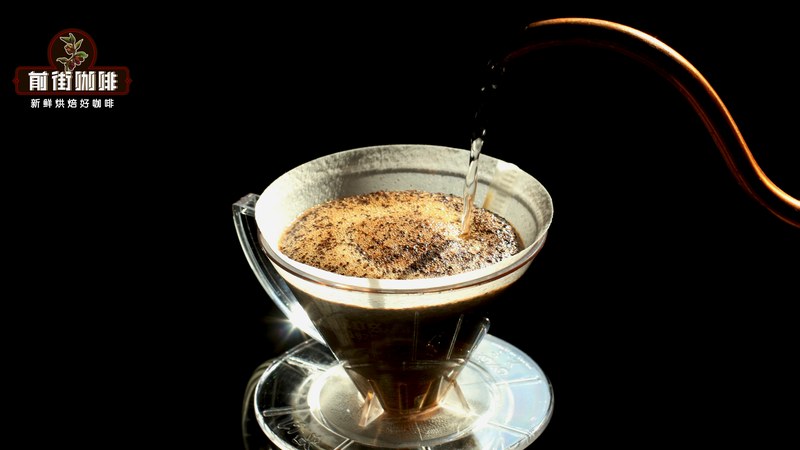
When choosing beans day to day, it helps to first consider your regular usage. If you enjoy a bright black coffee brewed by pour-over in the afternoon, quietly savoring the subtle flavor evolution brought by a microclimate, single-origin beans offer rich tasting pleasure; if you need to quickly make a rich milk coffee with a machine in the morning and want a stable, reliable nutty sweetness, a well-formulated blend is clearly more effortless.
Single-origin and blends are never a either-or multiple-choice question, but rather two distinctive tasting paths in the coffee world. Single-origin takes us to appreciate the gifts of nature from different regions, while blends use the art of harmony to provide steady companionship for daily life. Choose according to your current drinking needs, and every bag of beans can be put to full use.
Related Reading


Comments (0)
Loading comments...
You May Be Interested



Trending Reviews
Popular Videos

With you, wherever you are! We provide useful features to help you find new things you'll love






