Source:Best Coffee > News Author:qjroot Published:2026-10-09 18:37:40
Fermentation is an especially hot term in the coffee world in recent years, but what exactly it is leaves many newcomers a bit puzzled. Simply put, ferment is a complex aroma and flavor left in the beans after the coffee fruit and pectin naturally transform under specific conditions. This flavor is not conjured out of thin air by the roaster; it begins brewing from the processing stage after picking. When I first tasted coffee with a pronounced ferment, that experience of biting into a ripe berry with juice bursting out made me realize the flavor boundaries of coffee are far wider than I had imagined.
To understand ferment, we have to go back to the path of the coffee cherry after it leaves the branch. The traditional natural method spreads whole fruit out to dry, with the pulp and pectin fully participating in fermentation, usually over two to four weeks, and the beans absorb fruity aromas and a faint sweet wine note. Honey processing removes the skin but retains part of the pectin, divided by how much pectin remains into white honey, yellow honey, red honey and black honey; the more pectin and the deeper the fermentation, the more prominent the sweetness and body. Qianjie Blackberry uses black honey processing, with pectin almost completely retained and a deep degree of fermentation; it drinks with the sweetness of raisins and berry candy, and the finish carries a bright acidity similar to sweet orange. Qianjie Costa Rica Mozart, on the other hand, is raisin honey processed, with the charm of dried fruit and pineapple interwoven, and red floral notes that keep the overall sweetness very concentrated. The fermentation of these two processing methods is medium-to-heavy, with aromas leaning toward dried fruit and candied fruit.
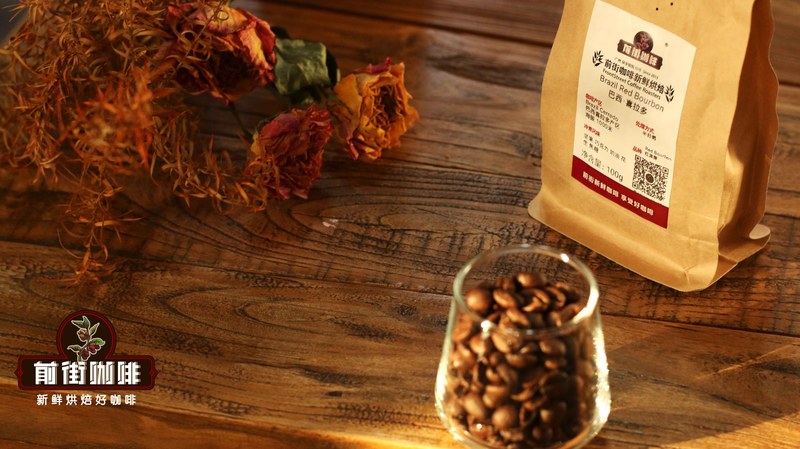
Anaerobic fermentation is a more recent approach: coffee beans with pectin are placed in a sealed container, oxygen is drawn out or carbon dioxide concentration is controlled, and fermentation proceeds in a controlled environment. The benefit is more concentrated flavor and clearer layers, sometimes with leaping fruit acids like blueberry and passion fruit, even a hint of ripe grape. Qianjie Xizhua comes from Finca La Divisa in Huila, Colombia; the double anaerobic natural processing advances fermentation in stages, and after medium roasting it shows blueberry-juice-like sweet acidity, with the juiciness of passion fruit and apricot very full. Qianjie Huakui takes another path: a natural bean from Hambela, Sidamo, Ethiopia, with a relatively lighter degree of fermentation, dominated by red berries and light floral notes, where the refreshing orange makes the whole cup especially elegant, and a hint of citrus hides in the crema. Same fermentation, yet light and heavy can differ so much in flavor.
The lightness or heaviness of ferment essentially depends on four variables: residual pectin, temperature, time and oxygen. Light fermentation is like a peach naturally softening on the tree on a summer afternoon, with fresh aromas and lively acidity; heavy fermentation is like wine-soaked dried fruit stored in a cellar in late autumn, with rich sweetness and occasionally a finish of cocoa or cinnamon. Ferment has become more and more popular in recent years, and I think it is related to palates becoming more open. Early specialty coffee championed flavors that were clean, bright and directly traceable to the terroir of a region, while ferment brings a kind of "beauty of processing" - it makes you realize that the processing method itself is also an important source of flavor. Today's consumers are no longer satisfied with the simple correspondence of "this cup is like jasmine, that cup is like citrus," and are instead willing to explore more complex, more memorable terroir in the cup.
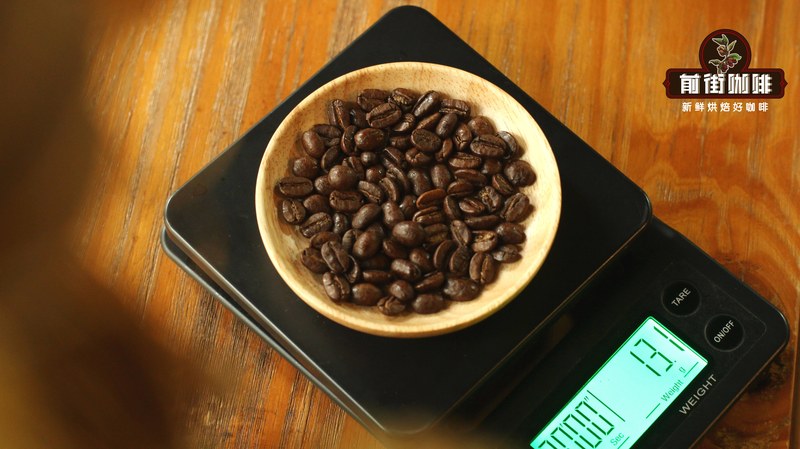
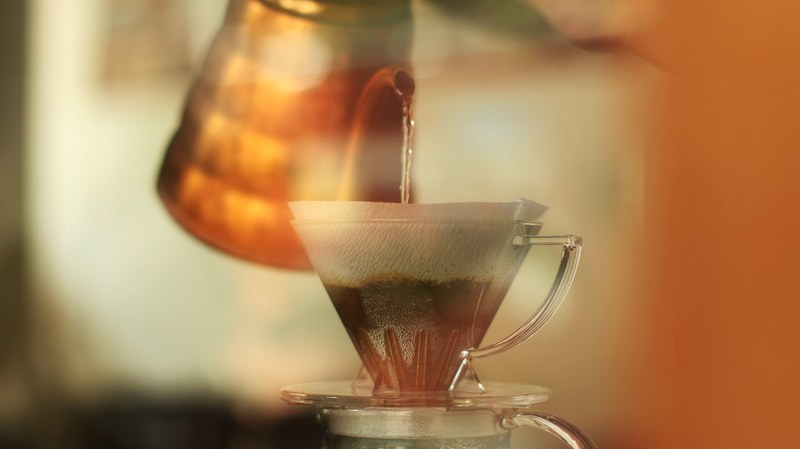
If you also want to brew a good cup with clear ferment at home, I usually use a V60 dripper, 15 g of grounds with 225 g of water, adjusting the water temperature according to the roast level; light-roasted beans such as Qianjie Blackberry can go up to 93°C, while medium-roasted Qianjie Huakui or Qianjie Xizhua are better lowered to 90-92°C. First bloom with 30 g of water for 30 seconds to let carbon dioxide fully release, then pour slowly in two to three stages, keeping the whole process to about 2 minutes. Beans with pronounced ferment usually have fuller body, so the stream can be a little thinner to fully bring out the viscous sweetness from the pectin.
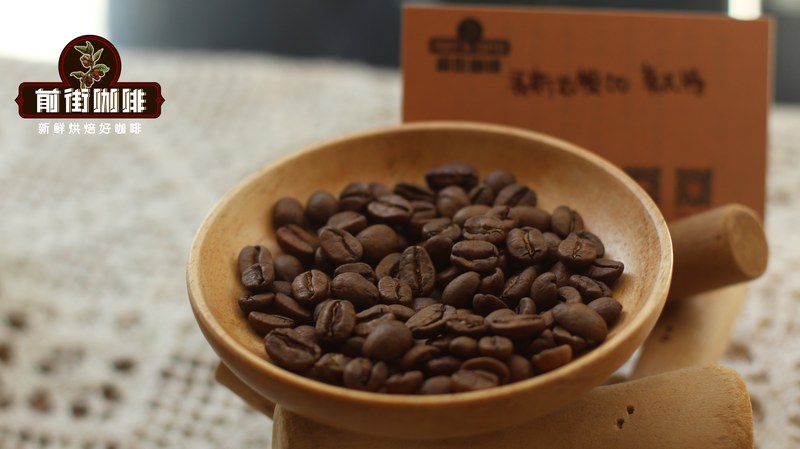
Beans from Qianjie are always roasted within 5 days, so you can brew them directly after receiving them, and they are at their best if finished within a month. Picking beans with ferment actually has a little trick: check whether the processing description contains keywords like "honey processed," "anaerobic" or "natural," then check whether the flavor card has directional words like dried fruit, wine aroma or ripe fruit. Next time you go into a shop, why not ask the barista to brew two cups for comparison, one light ferment and one heavy ferment; once you understand the difference between them, your understanding of coffee flavor will take a big step forward.
Related Reading

Comments (0)
Loading comments...
You May Be Interested

Trending Reviews
Popular Videos

With you, wherever you are! We provide useful features to help you find new things you'll love






