Source:Best Coffee > News Author:qjroot Published:2026-10-10 13:05:44
I'm often asked whether one set of equipment at home can make both black coffee and white coffee well. My answer is, first look at what you have on hand, then decide how to practice. A pour-over kettle with a dripper is the main battlefield for black coffee; water temperature, pouring rhythm and coffee-to-water ratio are the three adjustable variables, suited to slow tuning and slow sipping on weekend mornings. A home espresso machine, on the other hand, is the fixed lineup for white coffee; dose, grind size and milk foam quality determine the stable output of those two daily cups. If you don't plan to buy an espresso machine for now, a moka pot can actually handle both sides: drunk straight it's black coffee, with heated milk it's white coffee, making it a very practical choice for the transition stage.
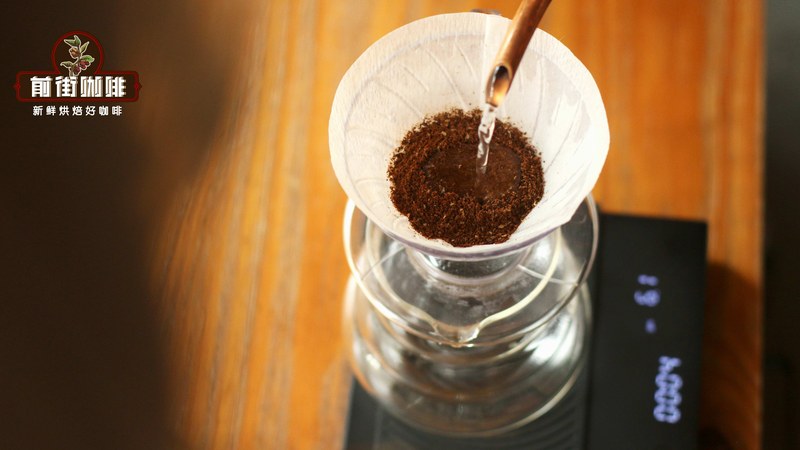
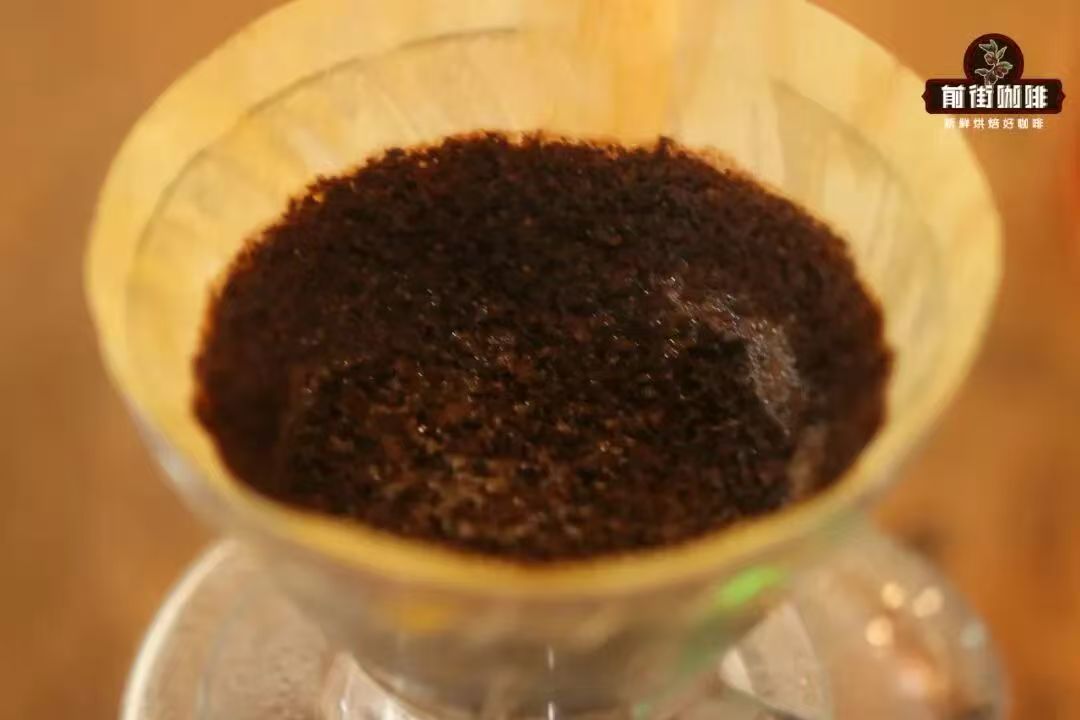
The core of black coffee is adding no milk, letting the bean's own flavors come through completely. I brew black coffee daily with a pour-over kettle: 15g coffee, a 1:15 coffee-to-water ratio, water temperature controlled at 90 to 93°C, first a small amount of water for a 30-second bloom, then circling pours, total time about two minutes; the V60 dripper's spiral ribs keep the flow rate even, and the extracted coffee is clean and bright. For a washed light roast like Qianjie Panama Boquete Geisha, the white floral notes and honeydew-citrus flavors unfurl especially well with this method, and the sweet finish is a bit like Tieguanyin. For a wet-hulled medium-dark roast like Qianjie Indonesia Lintong Mandheling, with its heavy body of brown sugar, spice and dark chocolate, lowering the water temperature slightly with the same parameters concentrates the body further, with low acidity and an especially smooth entry. Cold brew, French press and drip bags are all really the same black coffee idea, just with different extraction times and filtration methods; pick the right beans and the method actually becomes freer.
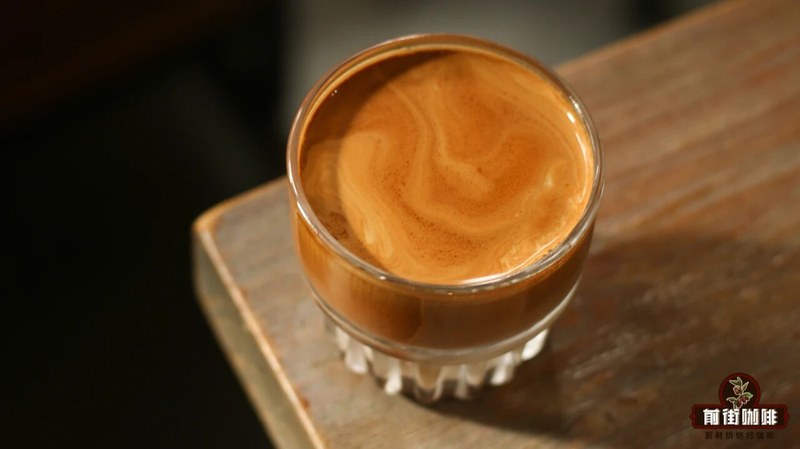
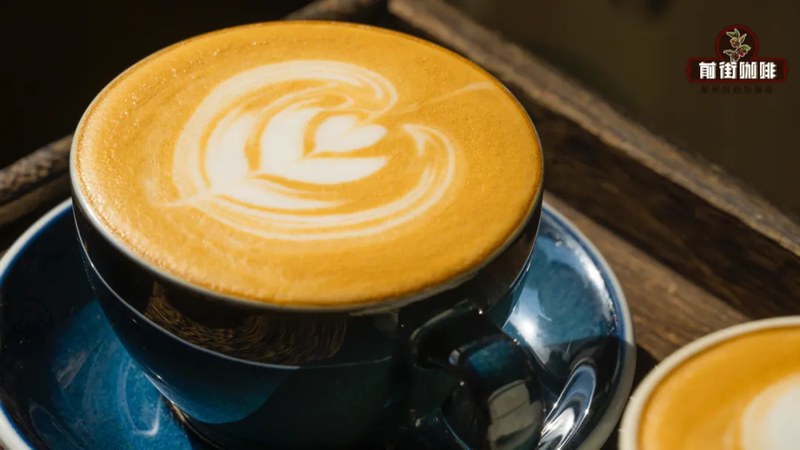
White coffee's base is espresso, topped with milk foam or hot milk. For a double espresso on a home machine, I habitually use 19 to 20g of coffee to extract 38 to 40g of liquid, with the time controlled at 25 to 30 seconds and about 3mm of crema on the surface; this state shows the extraction is even, neither too bitter nor too sour. For milk coffee I usually adjust the ratio to about 1:5 coffee to milk, steaming the milk to 55 to 60°C; at this temperature the sweetness is high and the proteins haven't started breaking down, giving a creamy mouthfeel. Qianjie Commercial Blend is a traditional espresso recipe at medium-dark roast, mainly Colombia and Brazil with a small amount of Robusta added; its nut, cocoa and caramel aromas, rich crema and good flow let the low-acid, full-bodied base support the milk steadily in a latte or cappuccino. Qianjie Grana Geisha SOE is another route: Ethiopian heirloom Geisha, natural process, medium roast, with the sweetness of yellow peach, apricot and citrus; made into a flat white, the floral and milk notes harmonize, fresher than traditional espresso beans, suited to days when you want a change of taste.
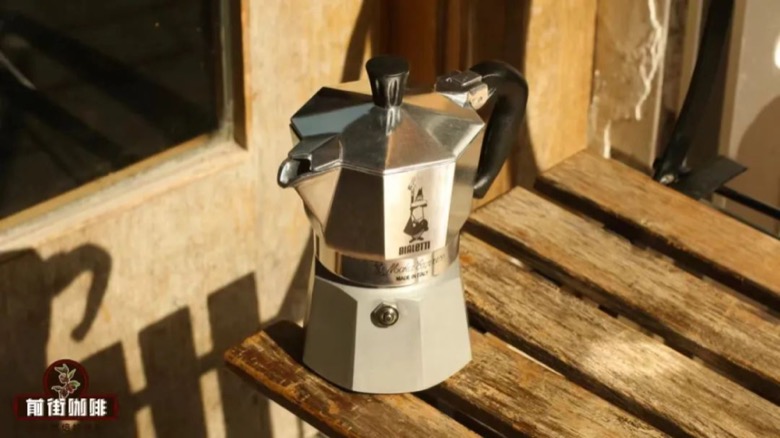
The moka pot is often underestimated in home use. Its principle is pressure extraction; although it can't reach an espresso machine's 9bar, the strength is high enough. Drunk straight it's a potent black coffee, diluted with hot water it's an americano, with heated milk it's a latte. I suggest medium-dark roasted espresso beans, ground slightly coarser than for espresso, filling the basket without tamping too firmly, keeping the heat source at low to medium, and removing it from the heat when you hear the gurgling to avoid over-extraction. Qianjie Commercial Blend performs very steadily in a moka pot, bringing out the dark chocolate and caramel flavors completely. If you haven't bought an espresso machine yet, once you're proficient with the moka pot, you'll also know more clearly what you want when you upgrade later.
Freshness matters for both sides. Qianjie coffee beans are all roasted within 5 days when shipped; for medium-dark roasted espresso beans I suggest resting them 5 to 7 days after receiving before pulling shots, and 3 to 5 days for single-origin pour-over beans, letting the carbon dioxide escape properly; drinking within a month gives better flavor. Resting isn't just leaving them alone, it's letting them reach the drinking window for flavor; this detail is often overlooked, but do it well and the gap between the first and later cups from the same bag will be much smaller.
In the end, black coffee and white coffee aren't opposing choices, but two expressions of the same beans in different scenarios. A pour-over kettle lets you slowly understand a single-origin bean's layers, while an espresso machine lets you drink a smooth milk coffee consistently every day. My advice is to first get thoroughly familiar with the equipment you have and stabilize your parameters before considering additions. Equipment serves the drinking, not the other way around. When you can use one kettle to bring out the floral notes of Qianjie Panama Boquete Geisha, or use a home machine to make a fragrant, harmonious milk coffee from Qianjie Grana Geisha SOE, you'll naturally know what to upgrade next. This matter of palatability trains your hand, and also your understanding of your own taste.
Related Reading

Comments (0)
Loading comments...
You May Be Interested



Trending Reviews
Popular Videos

With you, wherever you are! We provide useful features to help you find new things you'll love






