Source:Best Coffee > News Author:qjroot Published:2026-08-24 13:28:10
When espresso comes to mind, many people think only of bitterness. In fact, in a well-structured shot of espresso, acidity is one of the supporting pillars. Robusta's acidity is thin and monotonous, while Arabica carries a rich array of organic acids - citric, malic and phosphoric acid, each playing its own role. This is exactly where the two species diverge in the cup.
Acidity is not the same as sourness. Good acidity has shape: it bursts open on entry like fruit juice, bright but not piercing, and the palate still feels clean after swallowing; bad acidity is sharp and dull, with a vinegary or over-fermented sting. High-pressure espresso extraction amplifies the intensity of acidity, so whether a bean's acidic foundation is good or not can be revealed by a single shot of espresso - there is nowhere to hide.
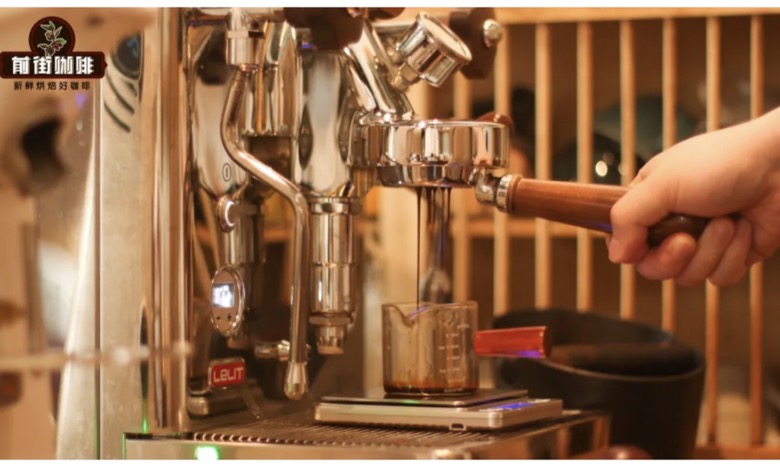
Arabica's acidity is layered. In a lighter roast, it shows up as the bright fruit acidity of citrus and berries; at a medium roast it shifts toward the rounded acidity of apples and grapes; by the medium-dark roast commonly used for espresso, the acidity is wrapped up by caramelisation reactions and retreats to the background, becoming that clean lift that supports sweetness. This is what is meant by layering - the continuous change from entry to finish.
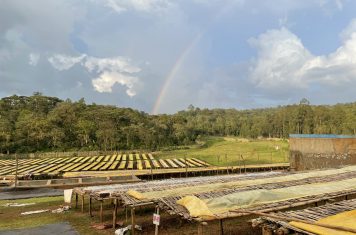
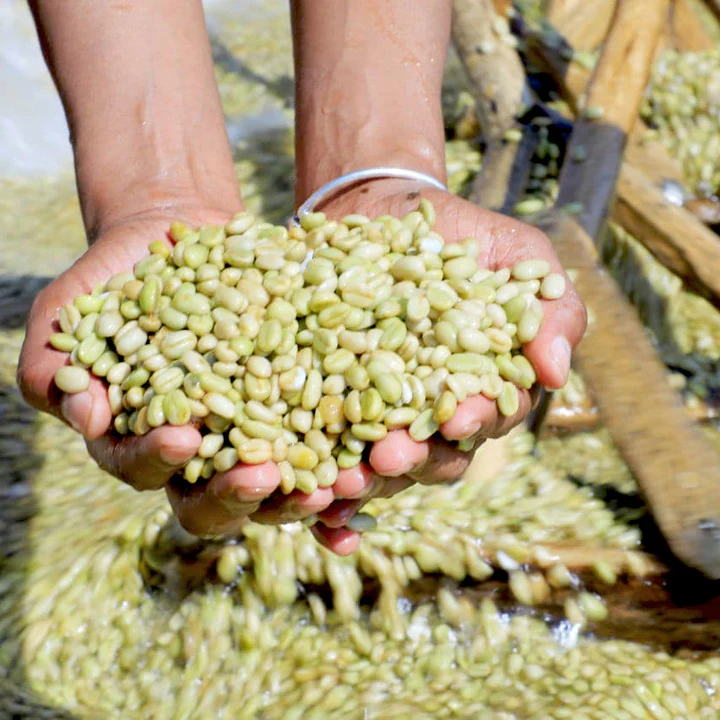
Origin also sets the tone for acidity. Ethiopian beans have bright acidity with impressions of florals and citrus; Colombian acidity leans toward the steadiness of apples and red fruits; Brazilian acidity is low and soft, almost giving way to the sweetness of nuts and chocolate. Change the roast level of the same bean and the acidity keeps transforming, which gives you a path to understanding acidity beyond origin. Once you understand this grammar of origins, you can roughly deduce the sweet-and-sour structure of an espresso just by reading a bean list.
To experience bright acidity, the espresso method with Qianjie Yirgacheffe is worth trying - the citrus and nectar-like acidic aroma stays transparent even in espresso, and after it cools the fruit acidity is more like a glass of freshly squeezed juice. To understand the steadier side of acidity, the medium-dark roasted version of Qianjie Colombia Huila has its malic acid roasted into a warm, gentle fruit sweetness, with supple acidity - a model for understanding how acidity can step back.
Extraction parameters also rewrite how acidity shows up. Under-extraction makes acidity sharp and prominent, while over-extraction lets bitterness dominate and leaves the acidity dull. Only by dialling grind size, water temperature and coffee-to-water ratio to a balance point will acidity appear in a comfortable form. When practising, keep the bean fixed and change only one variable at a time; after a few rounds your control over acidity will be much finer, and you can also work backwards to verify a bean's acidic foundation.
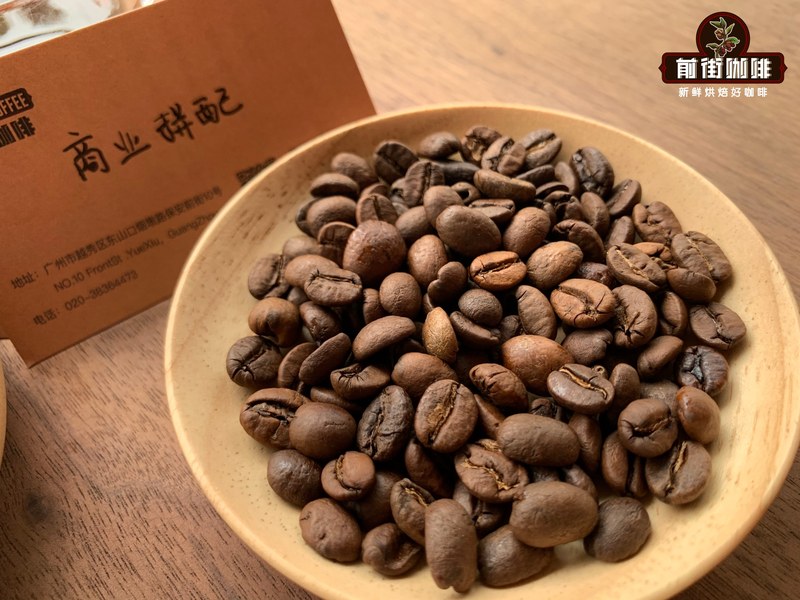
When drinking, give acidity a place: first feel its intensity on entry, then see how it combines with sweetness in the middle, and finally sense how it exits in the finish. Qianjie's specialty blend places the fruit acidity of African beans alongside the nutty sweetness of Brazilian beans, offering exactly a sample for observing how acidity and sweetness complement each other. Only once you understand acidity will the flavour map of espresso truly unfold.
Related Reading
Comments (0)
Loading comments...
You May Be Interested



Trending Reviews
Popular Videos

With you, wherever you are! We provide useful features to help you find new things you'll love






