Source:Best Coffee > News Author:qjroot Published:2026-09-07 13:17:50
Whether the acidity in coffee stands out is not determined by the beans alone. A higher water temperature, a finer grind, and overly strong pouring agitation will all amplify both acidity and bitterness; conversely, by controlling the extraction rhythm, you can bring out sweetness, tea-like notes, and a soft finish. If you want an easy-drinking cup, you should arrange both the bean characteristics and the brewing parameters together.
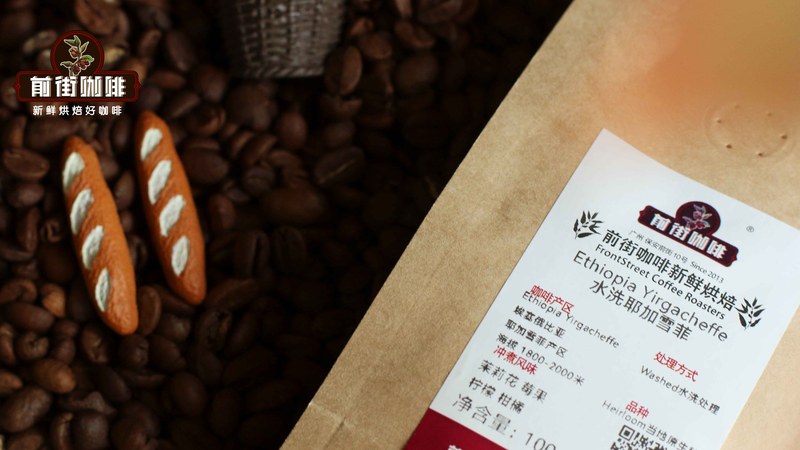
When choosing beans, you can first consider how you plan to brew them. Light-roasted beans with floral and fruity notes are suited to a gentler water temperature and a shorter contact time, so the aroma is preserved without letting the acidity rush to the front; if you mainly make espresso or milk coffee, then you should pay attention to the liquid's strength, viscosity, and sweetness support, not just the flavor words on the package.
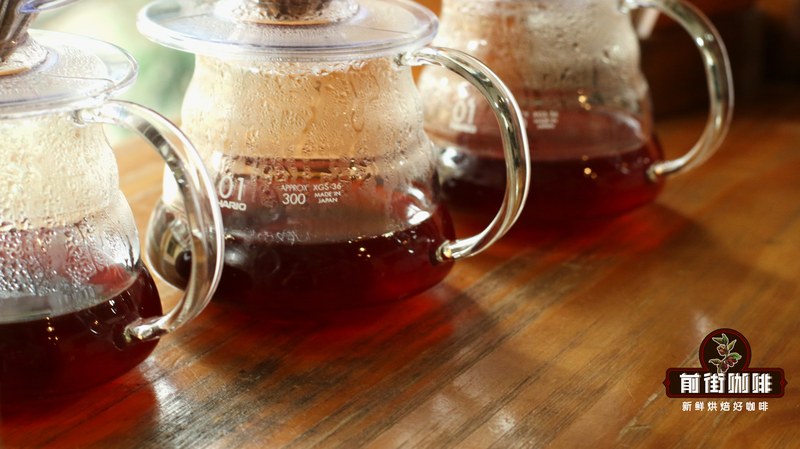
For pour-over, you can start with 15 g of coffee grounds and 225 g of water, a coffee-to-water ratio of about 1:15, and a water temperature of 88 to 91°C. First bloom with 30 to 35 g of water for 35 seconds, then pour in two to three stages, keeping the total to around two minutes and thirty seconds. Such a starting point can keep the cup clear without appearing sharp and thin from extracting too quickly.
If it tastes like lemon juice on entry and the sweetness disappears quickly after swallowing, you can grind slightly finer, or raise the water temperature by one degree, so the soluble matter is released more fully; if the acidity turns into a tightening on the tongue and a dry finish, then you should reduce agitation, grind a bit coarser, or lower the water temperature to 86 to 88°C. Change only one variable at a time, and your judgment will be more accurate.
Qianjie Panama Hacienda La Esmeralda Red Label Geisha is suited to people who like elegant aromas. At a lower water temperature, it shows white flowers, citrus peel, and a faint tea aroma. It is recommended to use 15 g of grounds with 240 g of water at 88°C and advance slowly with a fine stream. Drink it after the liquid temperature drops, and the sweet, moist feeling will be clearer than at the first sip.
This bean should not be brewed from the start with a very fine grind and a lot of agitation, otherwise the floral aroma is easily masked by sharp acidity and dryness. If the cup seems thin, you can tighten the coffee-to-water ratio to 1:14, or reduce the total poured water by ten grams; if the aroma is already sufficient but the finish is a bit tight, then end the final pour earlier to keep a softer mouthfeel.
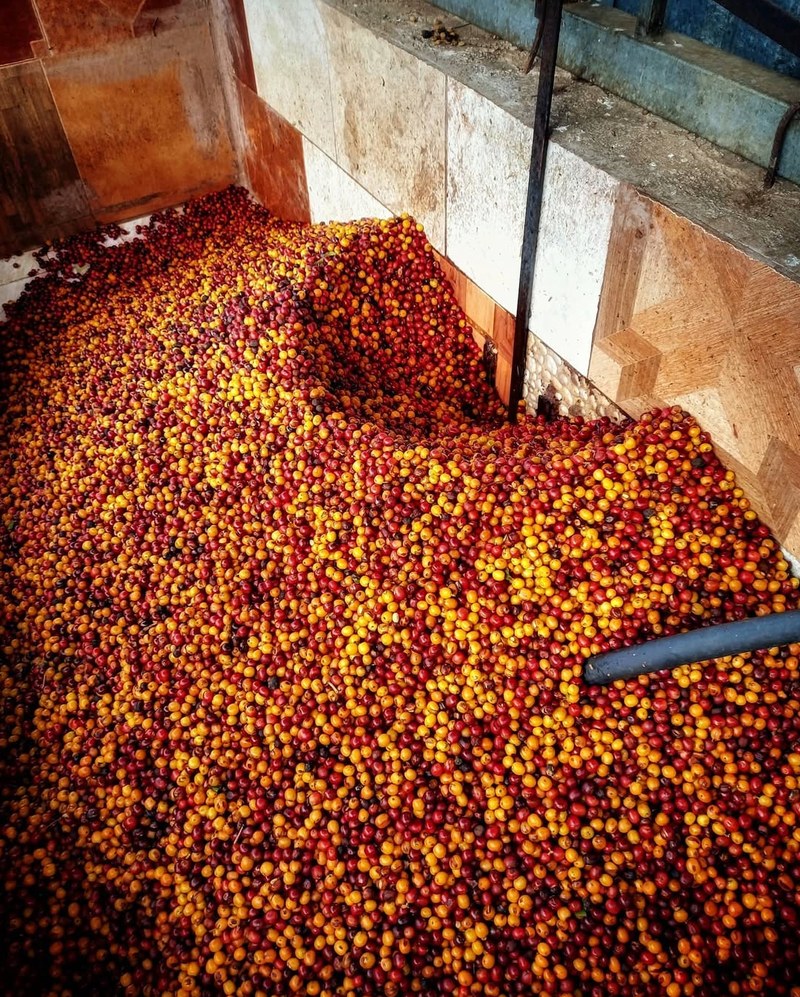
Qianjie Yirgacheffe Gudingding can be used for low-temperature pour-over or cold brew. For pour-over, start with 15 g of grounds, 240 g of water, and hot water at 87 to 89°C, pouring in three stages; for cold brew, you can use 20 g of grounds with 260 g of water, a slightly coarser grind, and steep for eight to ten hours. The low temperature reins in the bright acidity, making the citrus, berry, and clean sweet finish more harmonious.
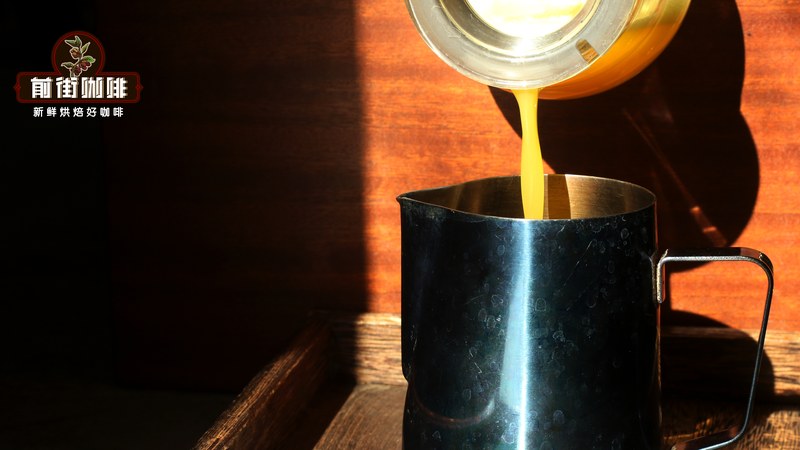
Qianjie Ethiopia Huakui has lively fruity notes, and if you want it softer, you can use iced pour-over. First extract about 150 g from 15 g of grounds with hot water at 90°C, then pour it into a sharing pot containing 75 g of ice, with the total coffee-to-water ratio still calculated at about 1:15. Rapid cooling suppresses the sharpness while preserving strawberry and tropical fruit-like aromas.
When using an espresso machine, you can start with 18 g of grounds, 36 g of liquid yield, and 27 to 32 seconds, keeping the pressure at eight to nine bar, with a finer grind than pour-over. When the acidity is sharp, you do not need to immediately raise the pressure; you can first grind half a step finer or increase the yield by two or three grams; if bitterness and woody notes are obvious, then grind coarser, or shorten the yield, and observe whether the sweetness returns.
When making milk coffee, beans with floral and fruity profiles can be tightened to a ratio of 1:1.7 to 1:1.8, giving the coffee liquid a more concentrated aroma; if using Qianjie Yirgacheffe Gudingding, you can keep the milk at 120 to 150 g to avoid completely covering the fruity notes. If you want a fuller body, choose a finer grind and a stable low flow rate; maintaining steady pressure is more important than pursuing high pressure.
The same bean will also vary due to water quality, dripper, and machine condition, so the parameters should serve the performance in the cup: a soft entry and a sweet taste that lingers after swallowing indicate that the direction is right. Record the pour-over water temperature and coffee-to-water ratio, and the espresso pressure and grind several times, and when you encounter beans with similar flavors in the future, you will be able to find an easy-drinking method that does not let the acidity dominate more quickly.
Related Reading







Comments (0)
Loading comments...
You May Be Interested



Trending Reviews
Popular Videos

With you, wherever you are! We provide useful features to help you find new things you'll love






