Source:Best Coffee > News Author:qjroot Published:2024-10-18 18:57:57
According to Brazilian media reports, the state of Sao Paulo was earlier hit by severe storms accompanied by record-breaking strong winds, resulting in at least 7 deaths and power outages for 2.1 million residents and business users. Currently, according to a report by Enel SP, most areas affected by the storms have had their power restored, but the outage caused the state to accumulate losses of 1.6 billion reais.
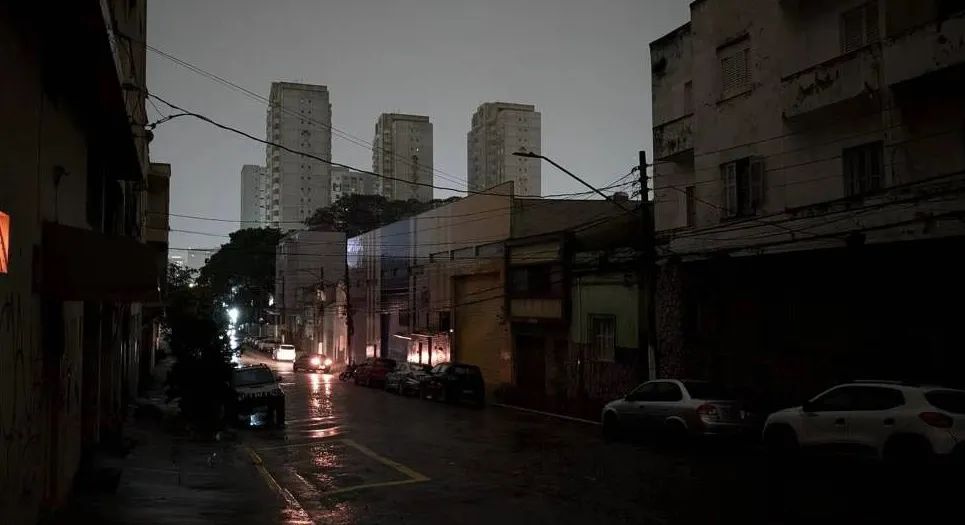
According to the power company's report, the number of affected residents has been updated, revised upward from the previously reported 2.1 million households to 3.1 million households. However, most residents affected by last week's storm have had their power restored, with only about 36,000 households still without power, and repairs are still ongoing.
Although the report notes that power was restored much faster after this outage than last year, the impact was very severe. According to a survey and statistics conducted by the Sao Paulo State Federation of Goods, Services and Tourism (FecomercioSP), by the fourth day of the outage, multiple industries had incurred cumulative losses of 1.65 billion reais. However, this figure only covers revenue that these businesses were unable to record during the outage and some basic losses, so the actual loss figure will be even larger.

The federation stated that Sao Paulo state, as Brazil's largest metropolitan area, is the largest economic, trade, commercial, financial, logistics and transportation center in Brazil and even South America, and its industry is highly developed; repeated power outages should not occur, still less should prolonged outages occur in such incidents, with some areas and users going more than a week without power, just as in the power outage incident at the end of 2023. The power shortage has not only had a major impact on public life, but has also brought huge economic losses to the business community.
It is reported that Sao Paulo is Brazil's most important industrial state, with steel, automobiles, aircraft, electronics and other industries, as well as textiles, food processing, papermaking and other industries; the power outage has left companies facing problems such as inventory backlogs and inability to deliver goods. Many companies are recording economic losses, and some important manufacturing enterprises must also rely on renting generators, hiring extra labor or buying fuel to keep equipment running, which increases their operating costs. In addition, nearly 400 tree collapse incidents have been reported, affecting road infrastructure and logistics transportation.
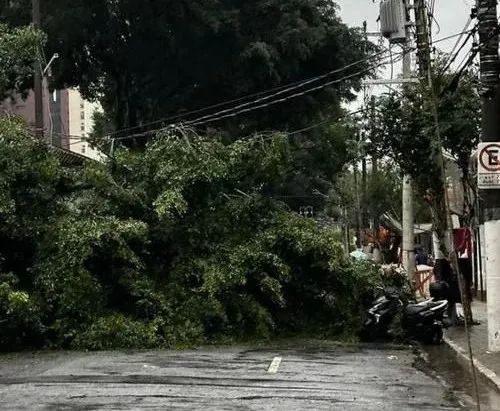
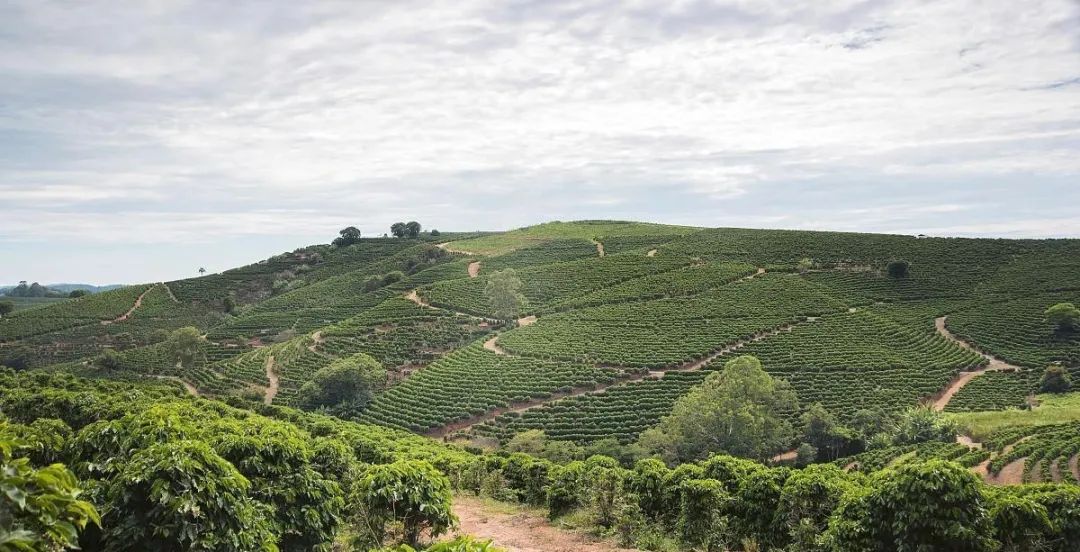
In addition, this storm was the strongest weather event in the region since 1995, with wind speeds reaching 107.6 km per hour, causing severe wind damage; besides damaging power supply facilities, it also brought damage to the state's agriculture. Although the rainfall it brought effectively alleviated the recent drought and high-temperature climate, the excessively strong winds directly destroyed some plants, trees and fruit, especially coffee trees, and it is currently the flowering period of Brazil's new coffee crop season, ultimately leading to a decline in coffee production.
Moreover, this storm occurred only in the Sao Paulo region of Brazil and did not greatly affect other regions. According to reports, only some parts of Minas Gerais, Brazil's largest coffee-producing region, received rainfall, but the rainfall was very light, so most of the state remains affected by drought and high temperatures.

According to reports from Brazil's meteorological department, the historical average monthly rainfall in Minas Gerais is 1300-2000 mm, but earlier, due to drought, rainfall since August has been very low, with even no rain at all. By October, rainfall was only 27.16 mm, which could not alleviate the drought conditions, and the state's high-temperature weather persisted, with maximum temperatures reaching 38°C and average temperatures reaching 28.5°C. This situation is not conducive to the growth of coffee crops.
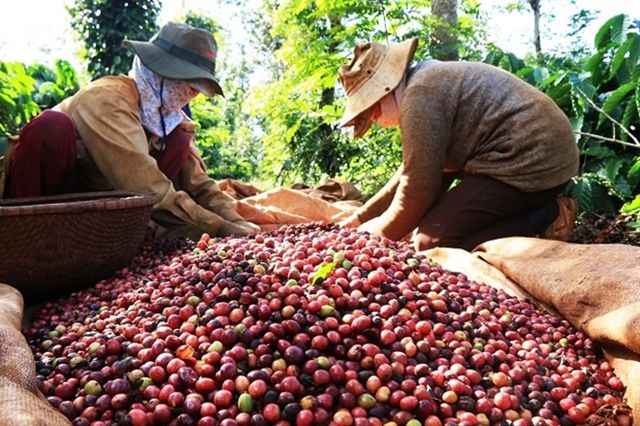
Therefore, according to Brazil's official agency Conab, due to the recent drought, lack of rainfall, high temperatures and other climatic conditions, the productivity outlook has been lowered, resulting in a final yield reduction of 1.9% to only 28.8 bags/hectare, with total production decreasing by about 4 million bags compared with the 2023/24 season.
To learn more about coffee origins and news, please scan the QR code to follow: Kaping
Long-press the QR code to follow:

Related Reading





Comments (0)
Loading comments...
You May Be Interested





Trending Reviews
Popular Videos

With you, wherever you are! We provide useful features to help you find new things you'll love






