Source:Best Coffee > News Author:qjroot Published:2026-09-03 18:58:42
The performance of cold drip coffee depends largely on how the water flows through the coffee bed. A fast drip rate makes the coffee lighter and brighter; a slow drip rate increases concentration and body, but the aroma may also be masked by a heavy mouthfeel. So when choosing beans, don't just look at the flavor description - also consider the capacity of the cold drip brewer, the sensitivity of the valve, the size of the coffee basket, and how you plan to drink it.
First look at the brewer's capacity, then decide on the flavor intensity of the beans. Small cold drip brewers usually produce a limited amount of liquid, so they suit beans with high aroma distinctiveness that still have sweetness after cooling; larger brewers have a thicker coffee bed and a longer extraction time, so they can handle beans with intense fruitiness or full body. If you plan to drink it straight, the coffee-to-water ratio can lean lighter; if you plan to add ice or dilute with water, keep a higher concentration.
The drip rate is the most noteworthy parameter on a cold drip brewer. With the valve opened faster, water drops fall continuously and the whole extraction may finish within a few hours, giving a cup with pronounced acidity and aroma and a light texture; set to one drop every few seconds, the contact time lengthens and sweetness and body become more prominent. For home equipment, you can start by observing around eight to twelve drops per minute, then adjust according to the bean's roast level and the state of the coffee bed.
The grind size should be used in coordination with the depth of the coffee basket and the drip rate. For equipment with a shallow coffee bed and a fast drip rate, you can use particles close to medium-fine granulated sugar, giving the water enough contact area; when the basket is deep and the drip rate slow, you should use fluffier medium-coarse particles, leaving a channel for the water to flow through. Too many fines easily causes water to pool on the surface, while particles that are too large make the coffee's color and aroma both seem thin.
The amount of coffee grounds also changes the rhythm of the cold drip. A small amount of coffee grounds in a shallow bed is more easily penetrated by the water, suiting those who seek a clear mouthfeel; after increasing the depth of the coffee bed, the water meets greater resistance, and both extraction time and concentration rise. When adjusting, you can first fix the amount of beans and change only the valve speed, then change the grind size once the drip rate is stable - this makes it easier to tell where the change comes from.
Qianjie Colombia Sidra has high fruit distinctiveness, showing tropical fruit, dark berries and ripe grape-like sweet aromas after cooling, with a hint of apricot in the finish. It suits a cold drip brewer with a faster drip rate and a not-too-thick coffee bed, so the aroma stays clear. If the finished cup needs to be diluted with water or served over ice, you can make the liquid a little stronger, and the juice-like texture will be more complete.
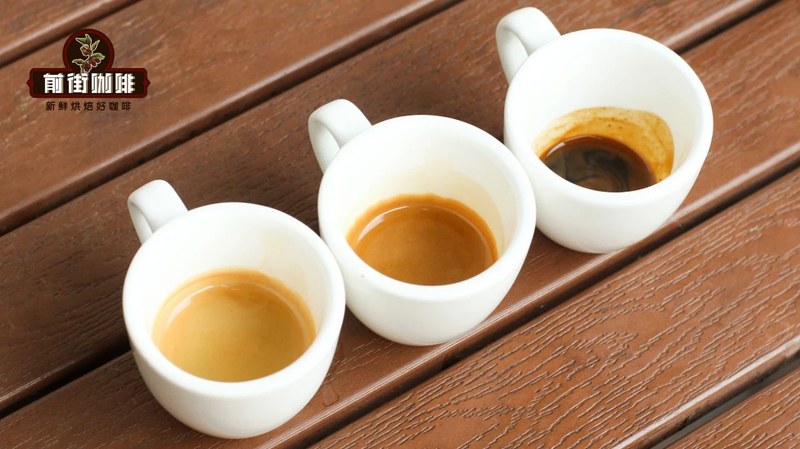
Qianjie Strawberry Candy coffee beans suit small-capacity cold drip equipment, especially models with a shallower coffee basket and an easily controlled flow rate. Its sweet aroma recalls strawberry candy, the sip is light and lively, and it still has a distinct memorable point at low temperature. In terms of parameters, you can use a medium drip rate and a lighter coffee-to-water ratio, drink it straight as iced coffee, or add a small amount of milk to let the sweet aroma become the bright part of the milk coffee.
Qianjie Kenya Small Tomato is better suited to those who want clear acidity and a crisp finish. Its cherry-tomato-like fruit acidity, dark plum note and yellow sugar sweetness turn from sharp to round in a cold drip, while still retaining good clarity. If you use a deep coffee basket or a long drip time, you can appropriately speed up the water flow to avoid over-extraction; a small shallow basket can maintain a medium-slow drip rate to increase the thickness of sweetness.
The filter structure of the cold drip brewer also affects bean selection. A metal filter retains more oils and fine particles, giving a rounder, weightier mouthfeel, suiting beans with sweetness amid fruit aromas; a paper filter structure makes the liquid cleaner, and the aroma profile is easier to distinguish. If the equipment has an upper ice chamber, the melting speed of the ice will also change the actual liquid volume, so before use you should confirm the total water volume after the ice melts, then plan the amount of coffee grounds.
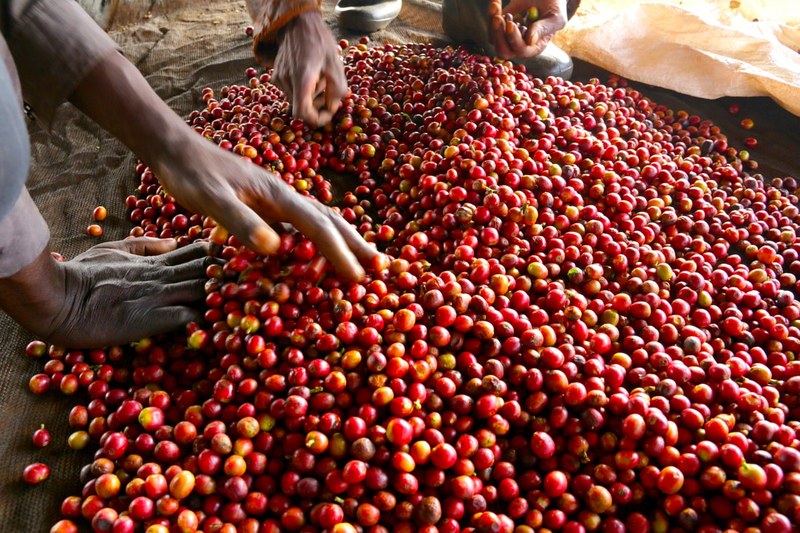
After brewing is complete, don't rush to judge the flavor based only on the liquid just collected. Cold drip coffee usually needs to rest sealed in the refrigerator for several hours before the acidity, sweetness, aroma and texture gradually come together. If the sip is too light, you can reduce the amount of melted ice water or slow the drip rate slightly; if bitterness and dryness are prominent, you can speed up the water flow, use coarser particles, or shorten the contact time between coffee and water. Once the parameters are dialed in, the same bean will perform more consistently.
For an ordinary home cold drip brewer, choosing beans can work backward from the equipment parameters to the flavor direction: a shallow coffee bed and a faster drip rate pair with fresh fruit aromas, a deep coffee bed and a slower drip rate pair with beans of rich sweetness, and a paper filter suits emphasizing aroma lines. First confirm the capacity, filter and valve, then among the three beans choose the one whose flavor intensity matches - and your cold drip coffee will come closer to your own drinking habits.
Related Reading

Comments (0)
Loading comments...
You May Be Interested


Trending Reviews
Popular Videos

With you, wherever you are! We provide useful features to help you find new things you'll love






